Turmeric & Cinnamon: Science-Backed Natural Relief
When you buy through links on our site, we may earn an affiliate commission at no additional cost to you (learn more)
Turmeric and cinnamon are two of the most researched spices in nutritional science, each offering distinct compounds that support various aspects of health.
Both spices contain anti-inflammatory and antioxidant properties that may help reduce oxidative stress and support immune function when incorporated into your regular diet.
These golden-yellow and reddish-brown spices have been used in traditional medicine systems for centuries and now have substantial scientific evidence backing many of their applications.
You’ll find these spices remarkably versatile in how you can use them. From adding them to your morning beverage to incorporating them into savory dishes, both turmeric and cinnamon integrate easily into daily routines.
Understanding what these spices can realistically do for your health helps you make informed decisions about incorporating them into your wellness approach.
This article examines the specific benefits supported by research, explores practical ways to use them, and outlines important considerations for safe and effective use.
Key Health Benefits of Turmeric and Cinnamon
Both turmeric and cinnamon contain bioactive compounds that offer measurable health benefits. These spices work through distinct mechanisms to reduce inflammation, protect cells from damage, strengthen immune responses, and help maintain healthy blood sugar levels.
Anti-Inflammatory Properties
Turmeric contains curcumin, a compound that inhibits several molecules involved in inflammation pathways.
Studies show curcumin can reduce markers of inflammation like C-reactive protein and interleukin-6 in your body.
Cinnamon provides anti-inflammatory benefits through cinnamaldehyde and other polyphenols. These compounds help suppress inflammatory responses by blocking certain enzymes and proteins that trigger inflammation.
Research indicates that regular consumption of these spices may help reduce chronic low-grade inflammation. This type of inflammation is associated with conditions like arthritis, metabolic syndrome, and cardiovascular disease.
However, the anti-inflammatory effects are most pronounced when you consume these spices consistently over time.
Antioxidant Effects
Your cells face constant exposure to free radicals, which are unstable molecules that can damage DNA, proteins, and cell membranes.
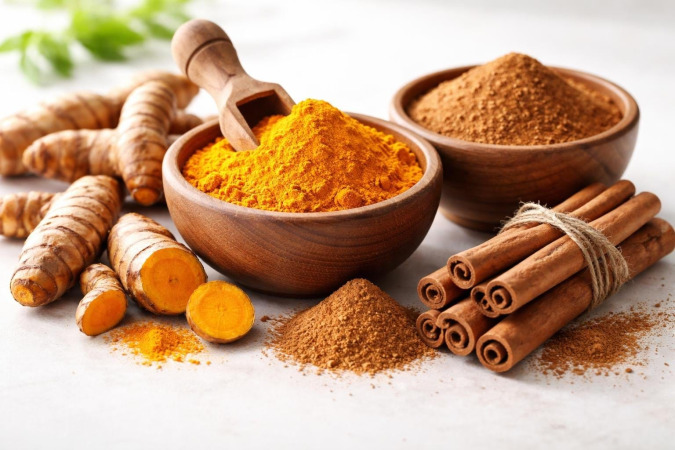
Turmeric ranks among the most potent dietary sources of antioxidants due to its curcumin content. Cinnamon contains multiple antioxidant compounds including polyphenols, phenolic acid, and flavonoids. In comparative studies, cinnamon has shown higher antioxidant activity than many other common spices.
These antioxidants work by neutralizing free radicals before they cause cellular damage. They also activate your body’s own antioxidant enzymes, providing additional protection. The combined antioxidant capacity of turmeric and cinnamon may offer greater benefits than either spice alone.
Support for Immune Function
Curcumin in turmeric modulates your immune system by influencing the activity of T cells, B cells, and natural killer cells. It can enhance immune responses when needed while also preventing excessive immune reactions.
Cinnamon supports immune function through its antimicrobial properties. It shows activity against various bacteria, fungi, and viruses in laboratory studies. The spice also contains compounds that may help regulate immune cell production and function.
Both spices contain prebiotic fibers that support beneficial gut bacteria. Since approximately 70% of your immune system resides in your gut, this indirect support can contribute to overall immune health.
Blood Sugar Regulation
Cinnamon improves insulin sensitivity by helping your cells respond more effectively to insulin signals. Studies show that 1-6 grams of cinnamon daily can reduce fasting blood glucose levels by 10-29% in people with type 2 diabetes.
The spice slows the breakdown of carbohydrates in your digestive tract by inhibiting certain digestive enzymes. This results in a more gradual rise in blood sugar after meals.
Turmeric also contributes to blood sugar control through curcumin’s effects on glucose metabolism. It can improve insulin function and reduce glucose production in your liver. Research suggests curcumin may help prevent the progression from prediabetes to type 2 diabetes when combined with lifestyle modifications.
Additional Wellness Uses
Turmeric and cinnamon offer benefits that extend to cognitive function, cardiovascular health, and physical comfort through their anti-inflammatory and antioxidant properties.
Cognitive and Brain Health
Curcumin in turmeric crosses the blood-brain barrier and may support memory and attention. Research shows it reduces oxidative damage and inflammation in brain tissue, which are linked to cognitive decline.
Some studies suggest curcumin promotes the production of brain-derived neurotrophic factor (BDNF), a protein essential for neuron health.
Cinnamon contains compounds that inhibit tau protein buildup in the brain. This protein accumulation is associated with neurodegenerative conditions. Cinnamon also improves your brain’s glucose metabolism, providing more efficient energy to neural cells.
You can incorporate both spices into your daily routine through teas, smoothies, or supplements designed for cognitive support.
Heart Health Support
Cinnamon helps lower LDL cholesterol and triglyceride levels while maintaining or increasing HDL cholesterol. Studies indicate that 1-6 grams of cinnamon daily can reduce total cholesterol by 12-26%.
It also supports healthy blood pressure through improved blood vessel function.
Turmeric’s curcumin reduces inflammation in arterial walls and prevents platelet aggregation that can lead to clots. It improves endothelial function, which regulates blood pressure and clotting. Research demonstrates that curcumin supplementation can be as effective as moderate exercise for vascular health improvements.
Both spices work together to support your cardiovascular system through multiple pathways.
Joint and Muscle Relief
Turmeric provides significant relief for joint discomfort through its powerful anti-inflammatory effects. Clinical trials show that curcumin extracts reduce joint stiffness and improve mobility in people with arthritis.
You may need 500-2,000 mg of curcumin daily for therapeutic effects on joints.
Cinnamon’s anti-inflammatory compounds help reduce muscle soreness after physical activity. Its antioxidants combat exercise-induced oxidative stress in muscle tissue. You can apply cinnamon oil topically when diluted, or consume it internally for systemic benefits.
Combining both spices may provide enhanced relief compared to using either alone, though you should consult your healthcare provider before starting any new supplement regimen for pain management.
Practical Applications and Considerations
Both spices work best when incorporated thoughtfully into your daily routine, with attention to proper amounts and individual tolerance levels.
Dietary Incorporation Tips
You can add turmeric to your diet by mixing it into smoothies, golden milk, curries, soups, and rice dishes. The spice absorbs better when consumed with black pepper, which contains piperine that enhances curcumin absorption by up to 2,000%.
For cinnamon, sprinkle it on oatmeal, yogurt, coffee, or toast. You can also add it to baked goods, stews, and marinades. Ceylon cinnamon works well for regular daily use, while cassia cinnamon suits occasional cooking needs.
Combining both spices creates a flavorful addition to morning beverages or breakfast bowls. Store them in airtight containers away from light and heat to preserve their potency for up to six months.
Potential Side Effects
Turmeric may cause digestive upset, nausea, or diarrhea in some people, especially at high doses. It can also increase bleeding risk if you take blood-thinning medications. Those with gallbladder problems should avoid turmeric supplements.
Cassia cinnamon contains coumarin, a compound that can damage your liver when consumed in large amounts over time. Ceylon cinnamon has minimal coumarin content and poses less risk.
Both spices may interact with diabetes medications by lowering blood sugar levels. You should consult your healthcare provider before using therapeutic amounts if you’re pregnant, breastfeeding, or taking prescription medications.
Recommended Dosage Guidelines
For turmeric, typical doses range from 500 mg to 2,000 mg of curcumin extract daily. When using the powder in cooking, 1-3 grams per day is generally safe for most adults.
Cinnamon intake should stay below 6 grams daily for cassia varieties due to coumarin content. Ceylon cinnamon is safer for regular use at 1-2 teaspoons (2-4 grams) per day.
Start with smaller amounts to assess your tolerance. Your individual needs may vary based on health conditions, age, and other factors.