Ginger and Turmeric Benefits: Health Advantages of These Powerful Roots
Table of Contents
When you buy through links on our site, we may earn an affiliate commission at no additional cost to you (learn more)
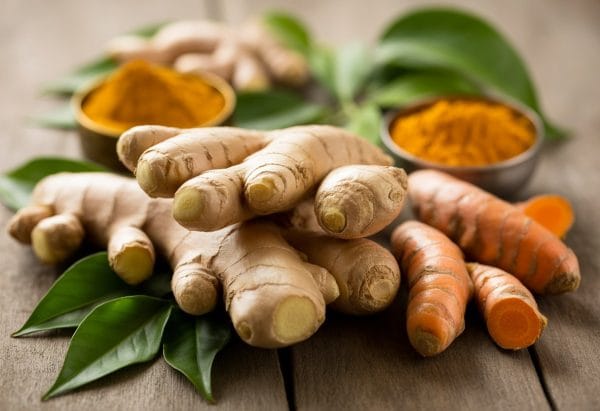
Ginger and turmeric are among the most researched spices in modern nutrition science, with centuries of traditional use supporting their reputation as health-supporting foods. Both spices contain bioactive compounds—gingerol in ginger and curcumin in turmeric that have demonstrated anti-inflammatory and antioxidant properties in scientific studies. Understanding how these spices work in your body can help you make informed decisions about incorporating them into your wellness routine.
You might be wondering whether the health claims surrounding these golden-hued roots hold up to scientific scrutiny. Research has examined their effects on everything from digestive comfort to joint health, and the evidence suggests they offer genuine benefits when used appropriately.
Key Health Benefits of Ginger and Turmeric
Both ginger and turmeric contain powerful compounds that reduce inflammation in your body, protect your cells from oxidative damage, and support healthy digestion through multiple mechanisms.
Anti-Inflammatory Properties
Ginger contains gingerols, while turmeric provides curcumin—both are bioactive compounds that inhibit inflammatory pathways in your body. These substances work by blocking the production of pro-inflammatory cytokines and enzymes like COX-2.
Research shows that curcumin can be as effective as some anti-inflammatory medications for reducing joint pain and stiffness. You may experience reduced swelling and improved mobility by regularly consuming these spices.
Gingerols target inflammation at the cellular level by suppressing NF-kB, a protein complex that triggers inflammatory responses. This makes ginger particularly useful for managing exercise-induced muscle soreness and chronic inflammatory conditions.
The anti-inflammatory effects are most effective when you consume these spices consistently over time rather than as a one-time remedy.
Antioxidant Effects
Your cells are constantly exposed to free radicals from environmental toxins, stress, and normal metabolism. Turmeric and ginger neutralize these harmful molecules through their antioxidant compounds.
Curcumin activates your body’s own antioxidant enzymes, including glutathione and superoxide dismutase. This dual action both directly neutralizes free radicals and enhances your natural defense systems.
Ginger’s antioxidant capacity comes from gingerol, shogaol, and zingerone. These compounds prevent oxidative stress that contributes to premature aging and chronic diseases. Your DNA, proteins, and cell membranes receive protection from oxidative damage when you include these spices in your diet.
Studies indicate that regular consumption may reduce markers of oxidative stress in your blood by up to 25%.
Digestive Support
Ginger stimulates saliva production and bile secretion, which helps you break down food more efficiently. It also speeds up gastric emptying, moving food from your stomach to your small intestine at an optimal rate.
You can use ginger to relieve nausea from various causes, including pregnancy, chemotherapy, and motion sickness. The recommended dose for nausea relief ranges from 1-1.5 grams of dried ginger daily.
Turmeric supports your digestive system by stimulating your gallbladder to produce bile, which is essential for fat digestion. It may help reduce bloating and gas by supporting a healthy balance of gut bacteria. Your intestinal lining benefits from curcumin’s ability to maintain barrier function and reduce gut inflammation.
Both spices can ease indigestion symptoms and may provide relief from irritable bowel syndrome when used appropriately.
Role in Disease Prevention and Management
Ginger and turmeric contain bioactive compounds that may help protect against chronic diseases and support your body’s natural defense mechanisms. Their anti-inflammatory and antioxidant properties support various health outcomes, as supported by scientific research.
Immune System Enhancement
Ginger contains gingerols and shogaols that support your immune function through antimicrobial and anti-inflammatory actions. These compounds may help your body respond more effectively to pathogens and reduce excessive inflammatory responses.
Turmeric’s curcumin enhances your immune system by modulating immune cell activity. Studies indicate it can increase antibody responses and support T-cell function, which are critical for fighting infections.
Key immune benefits include:
Enhanced white blood cell activity
Reduced inflammatory cytokines
Improved antibody production
Antimicrobial effects against bacteria and viruses
You can maximize these benefits by consuming these spices regularly, though absorption is enhanced when turmeric is paired with black pepper.
Potential Cancer-Fighting Properties
Research suggests curcumin may inhibit cancer cell growth through multiple mechanisms. It interferes with cell signaling pathways involved in tumor development and spread.
Laboratory studies show curcumin can induce apoptosis (programmed cell death) in cancer cells while leaving healthy cells unharmed. It may also prevent angiogenesis, the formation of new blood vessels that feed tumors.
Ginger’s gingerols demonstrate similar properties in preclinical research. Studies have examined their effects on colorectal, ovarian, and pancreatic cancer cells with promising results.
Important note: These findings come primarily from laboratory and animal studies. You should not use these spices as cancer treatment replacements but rather as complementary dietary components under medical supervision.
Blood Sugar Regulation
Ginger may improve your insulin sensitivity and reduce fasting blood sugar levels. A meta-analysis found that ginger supplementation significantly lowered fasting glucose and HbA1c levels in people with type 2 diabetes.
Curcumin affects blood sugar through several pathways. It enhances insulin secretion, reduces insulin resistance, and decreases glucose production in your liver.
Compound
Effect on Blood Sugar
Typical Research Dose
Ginger
Reduces fasting glucose by 10-15%
1-3 grams daily
Curcumin
Improves insulin sensitivity
500-2000 mg daily
You may notice better glucose control when incorporating these spices into your meals regularly, particularly if you have prediabetes or metabolic syndrome.
Usage, Dosage, and Safety Considerations
Both ginger and turmeric offer health benefits when consumed appropriately, but understanding proper dosages and potential interactions helps you use these spices safely and effectively.
Recommended Forms and Dosages
You can consume ginger and turmeric in various forms including fresh root, dried powder, capsules, teas, and extracts. Fresh ginger root typically provides benefits at 1-2 grams per day, while dried ginger powder works effectively at 0.5-1 gram daily.
For turmeric, you’ll need 1-3 grams of dried root powder per day for general health support. Curcumin supplements, which concentrate turmeric’s active compound, are often recommended at 500-2,000 mg daily divided into multiple doses.
Common Forms:
Fresh root (grated or sliced)
Ground powder
Capsules or tablets
Tea or infusions
Liquid extracts or tinctures
Turmeric’s curcumin absorbs poorly on its own, but combining it with black pepper (containing piperine) increases absorption by up to 2,000%. Many supplements include this combination.
Possible Side Effects and Precautions
Ginger may cause mild digestive upset, heartburn, or diarrhea when consumed in large amounts exceeding 5 grams daily. You should exercise caution if you take blood-thinning medications, as ginger can increase bleeding risk.
Turmeric is generally safe but high doses above 8 grams per day may cause nausea, dizziness, or stomach upset. It can also affect blood clotting and may interact with blood thinners, diabetes medications, and drugs that reduce stomach acid.
Pregnant women should limit ginger intake to no more than 1 gram daily and consult healthcare providers before using turmeric supplements. You should avoid turmeric if you have gallbladder problems or bile duct obstruction.
Tips for Incorporating Into Daily Diet
Add fresh grated ginger to morning smoothies, teas, or stir-fries for a simple daily dose. You can steep sliced ginger root in hot water for 10 minutes to make a warming tea.
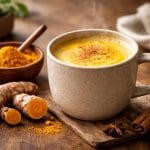
Mix turmeric powder into scrambled eggs, rice dishes, soups, or curries. Golden milk, made by heating milk with turmeric, black pepper, and honey, provides an easy evening ritual.
Start with small amounts and gradually increase to assess your tolerance. Store fresh roots in the refrigerator for up to three weeks or freeze them for longer preservation.