Bee Pollen: Nature’s Nutrient-Dense Golden Granules for Energy and Vitality
Table of Contents
When you buy through links on our site, we may earn an affiliate commission at no additional cost to you (learn more)
Those tiny golden granules that bees collect from flower stamens pack an impressive nutritional punch that’s been cherished by cultures worldwide for centuries. Bee pollen contains over 250 biologically active substances, including proteins, vitamins, minerals, enzymes, and antioxidants that work together to support our body’s natural energy production and immune defenses.
The Nutritional Powerhouse Behind Bee Pollen
When worker bees visit flowers, they collect pollen grains and mix them with nectar and their own enzymes to create these nutrient-dense pellets. This process concentrates an extraordinary array of nutrients into each tiny granule. Laboratory analysis reveals that bee pollen contains all 22 amino acids our bodies need, making it one of nature’s few complete protein sources from the plant kingdom.
The protein content ranges from 25-40% by weight, surpassing many traditional protein sources. These proteins are particularly bioavailable because the bee’s enzymatic processing breaks down complex protein structures into more easily digestible forms. This pre-digestion process is why many people find bee pollen gentler on their digestive system compared to other protein supplements.
Beyond protein, bee pollen delivers significant amounts of B-complex vitamins, especially B1, B2, B6, and folic acid. These vitamins work as cofactors in cellular energy production, helping convert the food we eat into usable ATP energy. The presence of vitamin C and bioflavonoids creates a synergistic antioxidant network that protects our cells from oxidative stress while supporting collagen synthesis.
Energy and Athletic Performance Support
The unique carbohydrate profile in bee pollen provides both immediate and sustained energy release. Simple sugars offer quick fuel, while complex polysaccharides deliver longer-lasting energy without the crash associated with refined sugars. This balanced energy profile has made bee pollen popular among endurance athletes and those seeking natural energy support.
Studies with athletes have shown that bee pollen supplementation may help improve endurance, reduce exercise-induced oxidative stress, and support faster recovery times. The mechanism appears to involve enhanced mitochondrial function – our cellular powerhouses become more efficient at producing energy when provided with bee pollen’s comprehensive nutrient matrix.
Supporting Natural Energy Pathways
The B-vitamins in bee pollen serve as essential cofactors in the Krebs cycle, our body’s primary energy-producing pathway. When these vitamins are readily available, our cells can more efficiently convert fats and carbohydrates into usable energy. This is particularly beneficial for people experiencing fatigue or those with increased energy demands.
Iron content in bee pollen, combined with vitamin C for enhanced absorption, supports healthy oxygen transport throughout the body. Better oxygen delivery to tissues naturally improves energy levels and mental clarity. Many people report feeling more alert and focused within days of incorporating bee pollen into their routine.
Immune System and Allergy Support
Perhaps one of bee pollen’s most interesting properties is its potential to support immune system balance. The theory behind bee pollen for seasonal allergies involves gradual exposure to local pollens in a controlled, processed form. This micro-dose exposure may help train the immune system to recognize these substances as harmless rather than threats.
Research suggests that bee pollen’s immunomodulating effects come from its unique combination of bioactive compounds, including flavonoids, phenolic acids, and sterols. These compounds appear to help regulate immune responses, potentially reducing overreactions while maintaining protective functions. However, it’s important to note that people with severe pollen allergies should consult healthcare providers before trying bee pollen.
Antioxidant Protection
The antioxidant capacity of bee pollen rivals that of many well-known superfruits. Flavonoids like quercetin and kaempferol work alongside vitamin E and selenium to neutralize free radicals and protect cellular structures. This antioxidant network is particularly concentrated, providing more protection per gram than many other natural sources.
Regular antioxidant intake from bee pollen may help protect against cellular aging and support cardiovascular health. The anti-inflammatory properties of these compounds also contribute to overall wellness, potentially reducing the risk of chronic inflammatory conditions.
Top Ways to Incorporate Bee Pollen
Start slowly with bee pollen – begin with just a few granules and gradually increase to 1-2 teaspoons daily. This gradual introduction helps your body adjust and allows you to monitor for any sensitivities. The granules have a sweet, slightly floral taste that many people enjoy, though some find it mildly bitter.
Method
Benefits
Best Timing
Smoothie addition
Masks taste, adds protein boost
Morning energy drink
Yogurt topping
Probiotics enhance absorption
Breakfast or post-workout
Honey mixture
Natural preservation, easier dosing
Pre-exercise energy
Direct consumption
Full flavor profile, immediate absorption
Empty stomach for maximum uptake
Quality and Storage Considerations
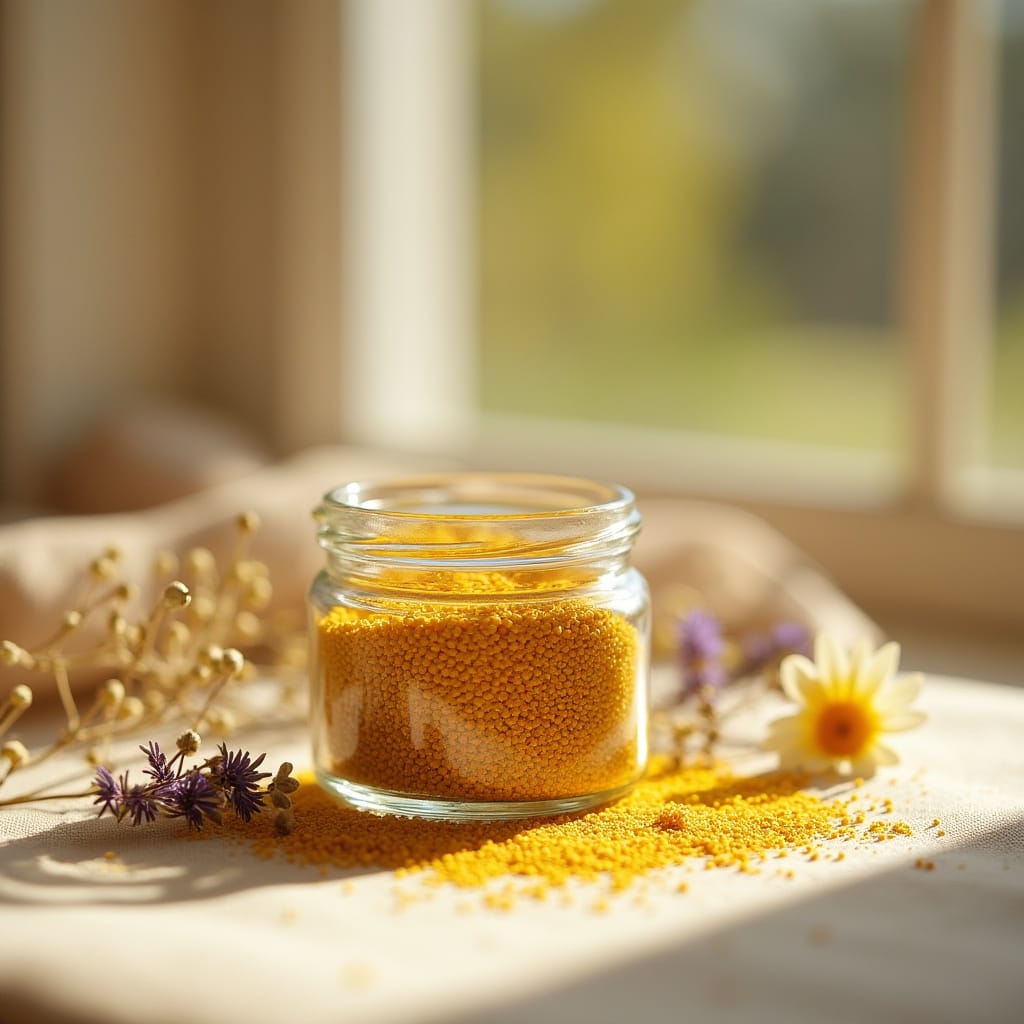
Choose bee pollen from reputable sources that test for contaminants and harvest sustainably. Fresh bee pollen should have vibrant colors ranging from yellow to orange to brown, depending on the flower sources. Avoid pollen that looks dull, clumped together, or has an off smell.
Store bee pollen in a cool, dry place, preferably in the refrigerator or freezer for long-term storage. Proper storage maintains the delicate nutrients and prevents rancidity. Fresh bee pollen can last up to two years when frozen, though it’s best consumed within six months for optimal nutritional value.
Precautions and Considerations
While bee pollen is generally well-tolerated, some people may experience allergic reactions, especially those with existing pollen or bee product allergies. Symptoms can range from mild digestive upset to more serious reactions. Always start with tiny amounts and discontinue if you experience any adverse effects.
Pregnant and nursing women should consult healthcare providers before adding bee pollen to their routine. The concentrated nature of bee pollen’s bioactive compounds requires careful consideration during these sensitive periods. People taking blood-thinning medications should also seek medical advice, as some compounds in bee pollen may interact with these drugs.
The NutriGuide Pro-Tip
For maximum benefit, we recommend taking bee pollen on an empty stomach about 30 minutes before breakfast. This timing allows for optimal absorption while the natural sugars provide gentle energy to start your day. Mix 1 teaspoon with raw honey and let it dissolve under your tongue for 30 seconds before swallowing – this sublingual absorption method helps deliver nutrients directly into your bloodstream while the honey’s enzymes enhance bioavailability. Keep a food diary during your first month to track energy levels, mood, and any changes in seasonal comfort. Remember, consistency matters more than quantity – a small daily dose provides better results than sporadic larger amounts.