Nature’s Golden Glow: How Bee Pollen Transforms Your Skin From Within
Table of Contents
When you buy through links on our site, we may earn an affiliate commission at no additional cost to you (learn more)
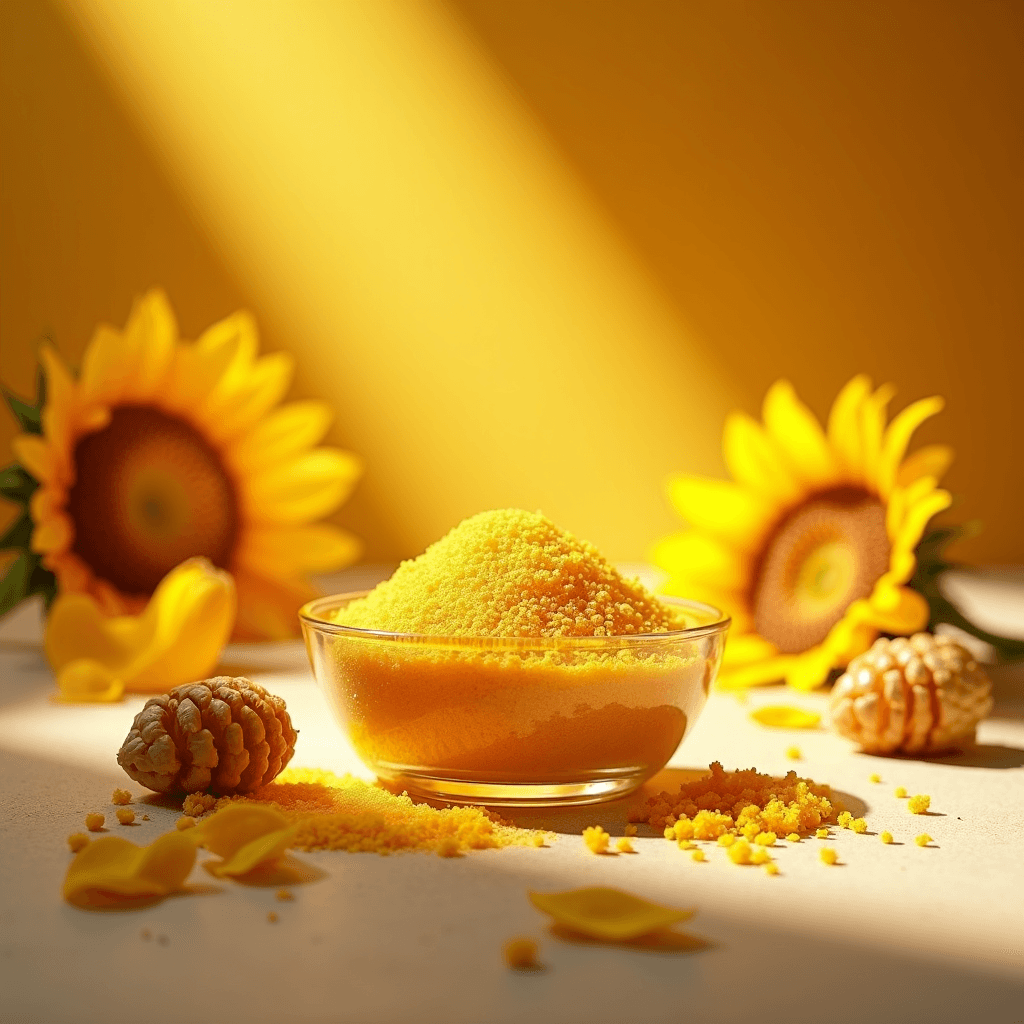
When we think about radiant, healthy skin, we often reach for expensive creams and serums. But what if nature’s most potent beauty secret has been buzzing around our gardens all along? Bee pollen, that tiny golden treasure created by our hardworking bee friends, contains a powerhouse of nutrients that can transform your skin from the cellular level up.
The Science Behind Bee Pollen’s Skin Magic
Bee pollen isn’t just flower dust—it’s a complex superfood that worker bees meticulously collect and pack with enzymes, creating one of nature’s most nutrient-dense substances. Each tiny granule contains over 250 bioactive compounds, including amino acids, vitamins, minerals, and antioxidants that work synergistically to support skin health.
The magic happens through several key mechanisms. First, bee pollen’s exceptionally high antioxidant content—including flavonoids like quercetin and kaempferol—neutralizes free radicals that accelerate skin aging and cause cellular damage. These antioxidants also help reduce inflammation, which is at the root of many skin concerns including acne, rosacea, and premature aging.
Second, bee pollen provides all eight essential amino acids your body needs to produce collagen and elastin—the proteins responsible for skin firmness, elasticity, and that coveted youthful bounce. The vitamin C content further supports collagen synthesis, while B-complex vitamins help regulate cellular metabolism and skin renewal.
Cellular Renewal and Regeneration
What makes bee pollen particularly fascinating for skin health is its ability to support cellular regeneration at the DNA level. The nucleic acids (RNA and DNA) present in bee pollen help repair damaged skin cells and accelerate the natural renewal process. This means fresher, younger-looking skin emerges more quickly, while old damaged cells are efficiently cleared away.
The zinc content in bee pollen also plays a crucial role in wound healing and reducing inflammation, making it particularly beneficial for those dealing with acne scars or other skin imperfections. Meanwhile, the natural enzymes help improve nutrient absorption, ensuring your skin receives maximum benefit from other nutrients you consume.
Top Skin Benefits of Bee Pollen
Anti-Aging Powerhouse
The antioxidant profile in bee pollen rivals that of berries and green tea, making it incredibly effective at slowing down visible signs of aging. Regular consumption can help reduce the appearance of fine lines and wrinkles while improving skin texture and tone. The vitamin E content provides additional protection against UV damage, while selenium supports skin elasticity.
Studies have shown that the flavonoids in bee pollen can increase skin hydration levels by up to 30% within just four weeks of regular consumption. This natural moisture boost comes from within, creating a lasting glow that no topical product can replicate.
Natural Acne Fighter
For those struggling with breakouts, bee pollen offers a gentle yet effective approach to clearer skin. The antibacterial and anti-inflammatory properties help reduce the bacteria that contribute to acne while calming existing inflammation. The B-vitamin complex, particularly B6, helps regulate hormone levels that often trigger adult acne.
Unlike harsh topical treatments that can strip and irritate the skin, bee pollen works from within to balance the underlying causes of acne while providing the nutrients needed for healthy skin cell turnover.
Soothing Sensitive Skin
The anti-inflammatory compounds in bee pollen make it surprisingly gentle for sensitive skin types. The natural antihistamine properties can help reduce skin reactivity and redness, while the healing compounds support the skin barrier function. This makes bee pollen particularly beneficial for those with conditions like eczema or dermatitis.
How to Incorporate Bee Pollen for Glowing Skin
Internal Consumption
Start with just 1/4 teaspoon of high-quality bee pollen daily, gradually increasing to 1-2 teaspoons as your body adapts. We recommend taking it on an empty stomach first thing in the morning for optimal absorption, followed by a glass of water. You can also blend it into smoothies or sprinkle it over yogurt or oatmeal.
For best results, choose locally-sourced, raw bee pollen when possible. Local pollen may also help with seasonal allergies, providing an additional wellness benefit beyond beautiful skin.
Topical Applications
While internal consumption provides the most profound benefits, you can also create simple face masks by mixing a teaspoon of finely ground bee pollen with raw honey. The honey acts as a natural humectant while the bee pollen provides direct antioxidant benefits to the skin surface.
Apply this mixture to clean skin, leave for 15-20 minutes, then rinse with warm water. Use once or twice weekly for an added glow boost, especially during times of stress or environmental challenges.
Choosing Quality Bee Pollen
Not all bee pollen is created equal. Look for products that are:
Raw and unprocessed – Heat processing destroys many of the beneficial enzymes and nutrients
Locally sourced when possible – Offers potential allergy benefits and ensures freshness
Properly stored – Should be kept refrigerated or frozen to maintain potency
Vibrant in color – Fresh bee pollen should display a range of colors from golden yellow to deep orange
Always purchase from reputable suppliers who can provide information about their sourcing and storage methods. Quality bee pollen should have a slightly sweet, floral aroma and a crunchy texture.
Safety Considerations and Expectations
While bee pollen is generally safe for most people, those with bee sting allergies or severe pollen allergies should consult their healthcare provider before trying it. Start with very small amounts to test your tolerance, and discontinue use if you experience any adverse reactions.
Pregnant or nursing women should also check with their doctor before adding bee pollen to their routine. As with any natural supplement, consistency is key—most people notice initial improvements in skin radiance within 2-4 weeks of regular use.
The NutriGuide Pro-Tip
For maximum skin benefits, pair your bee pollen with vitamin C-rich foods like citrus fruits or berries. The vitamin C enhances the absorption of the antioxidants in bee pollen while boosting collagen production. We love adding bee pollen to our morning smoothie along with fresh strawberries and a squeeze of lemon—it’s like drinking liquid sunshine for your skin!
Remember, beautiful skin starts from within. While bee pollen can work wonders, it’s most effective when combined with proper hydration, adequate sleep, and a nutrient-rich diet. Think of bee pollen as your skin’s new best friend—a natural ally that supports your body’s own healing and renewal processes for that healthy, radiant glow we’re all seeking.