Bee Pollen for Allergies: Natural Relief or Seasonal Myth?
Table of Contents
When you buy through links on our site, we may earn an affiliate commission at no additional cost to you (learn more)
For decades, bee pollen has been whispered about as nature’s answer to seasonal allergies—a golden granule that promises to transform sniffling, sneezing sufferers into clear-breathing converts. But does this tiny powerhouse from the hive actually deliver on its anti-allergy reputation, or are we chasing honey-coated hope?
The Science Behind Bee Pollen’s Allergy Claims
Understanding bee pollen’s potential allergy benefits requires diving into both its composition and the mechanisms behind seasonal allergies themselves. Bee pollen contains over 250 bioactive compounds, including proteins, amino acids, lipids, vitamins, minerals, enzymes, and most importantly for allergy sufferers—trace amounts of the very pollens that trigger reactions.
The theoretical foundation rests on immunotherapy principles. When we consume small amounts of local pollens through bee pollen, our immune system may gradually build tolerance to these allergens—similar to how allergy shots work, but through oral exposure. This process, called oral immunotherapy, allows the immune system to recognize these substances as harmless rather than foreign invaders requiring an inflammatory response.
Research has shown that bee pollen contains quercetin, a natural antihistamine that inhibits the release of histamine from mast cells. Histamine is the primary culprit behind those familiar allergy symptoms: runny nose, watery eyes, and persistent sneezing. Additionally, bee pollen provides vitamin C and other antioxidants that support overall immune function and may help modulate inflammatory responses.
However, we must address a critical caveat: the scientific evidence remains mixed. While some small studies suggest benefits, larger, controlled trials have yet to definitively prove bee pollen’s effectiveness for allergy relief. The variation in pollen types, processing methods, and individual immune responses creates a complex landscape that doesn’t yield simple answers.
What Makes Quality Bee Pollen
Not all bee pollen products are created equal, and understanding quality markers can mean the difference between potential benefits and disappointment. The source, processing, and freshness of bee pollen significantly impact both its nutritional profile and theoretical allergy-fighting potential.
Local vs. Imported Sources
Local bee pollen theoretically offers the greatest advantage for allergy sufferers because it contains trace amounts of the specific pollens in your immediate environment. These are the same pollens triggering your seasonal reactions, making local varieties potentially more effective for building tolerance.
When evaluating local sources, look for beekeepers within a 10-mile radius of your home. This ensures the bees are collecting from the same plant species that contribute to your local pollen count. Many farmers’ markets and natural food stores carry locally-sourced bee pollen, often with information about the specific apiaries and regions.
Processing and Preservation
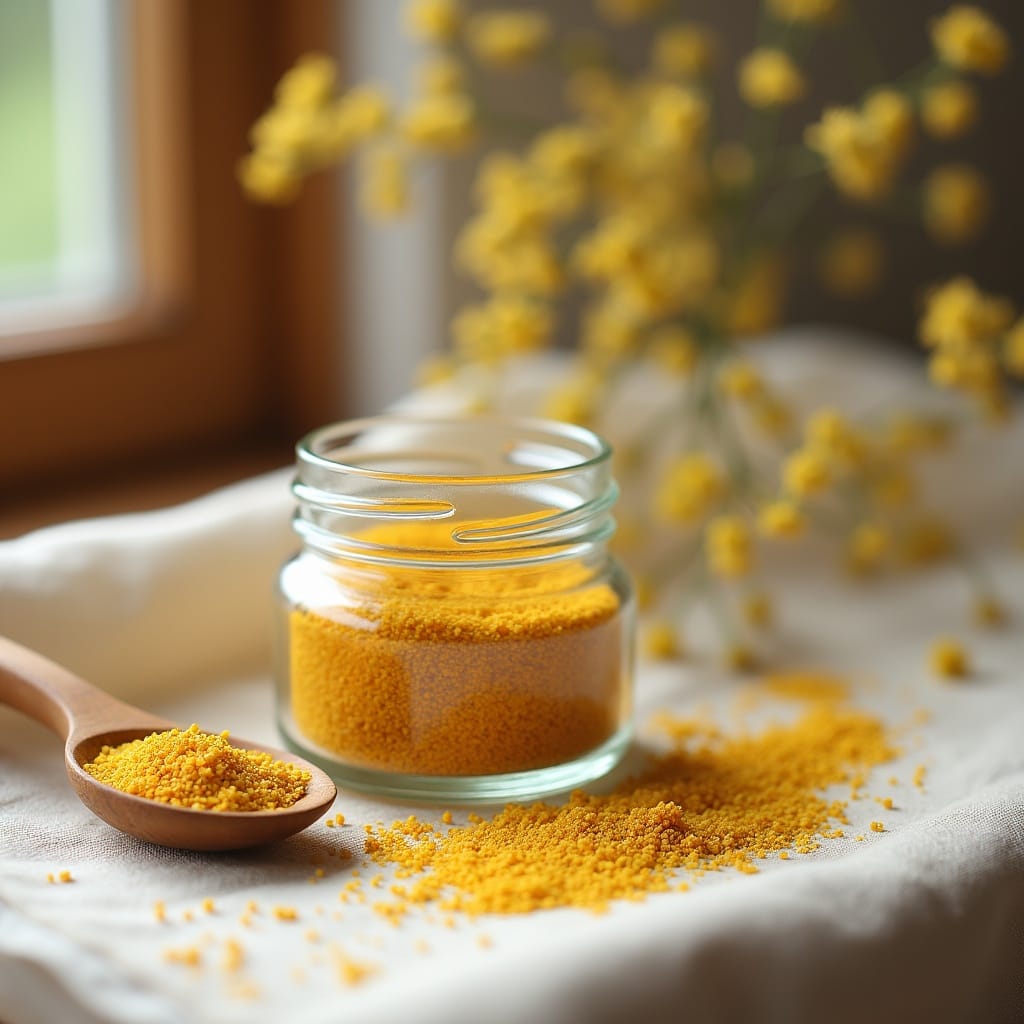
Fresh bee pollen should maintain its natural color variation—ranging from bright yellow to deep orange, brown, or even purple, depending on the flower sources. Quality producers use minimal processing to preserve the delicate enzymes and nutrients that heat can destroy.
Freeze-dried bee pollen retains more nutritional integrity than heat-processed varieties. The granules should feel firm but not rock-hard, with a slightly sweet, floral aroma. Avoid products that smell musty, appear uniformly colored, or have been sitting on shelves for extended periods.
Top Bee Pollen Selections for Allergy Support
Based on quality standards, sourcing practices, and user feedback, several bee pollen products stand out for those exploring allergy relief options.
Fresh Local Varieties
Working directly with local beekeepers provides the freshest, most regionally-specific bee pollen. Many beekeepers offer seasonal harvests that change throughout the year, providing exposure to different pollen types as they naturally occur in your area. Spring harvests often contain tree pollens (oak, maple, birch), while summer collections include grass and wildflower varieties.
Freeze-Dried Commercial Options
For consistent year-round availability, reputable brands like Stakich, YS Eco Bee Farms, and Dutchman’s Gold offer high-quality freeze-dried bee pollen. These products undergo third-party testing for purity and maintain cold-chain storage to preserve nutritional integrity.
Look for products that specify the geographic origin and provide information about the predominant flower sources. Multi-region blends can offer broader pollen exposure, while single-source varieties allow for more targeted local therapy approaches.
Proper Usage and Safety Considerations
Introducing bee pollen for allergy support requires a cautious, gradual approach. Start with literally just a few granules—we recommend 2-3 pieces—and monitor your body’s response for 24-48 hours. Some individuals may experience mild digestive upset or even allergic reactions to bee pollen itself.
Dosing Protocol
If no adverse reactions occur, slowly increase intake over several weeks:
Week 1: 1/4 teaspoon daily
Week 2: 1/2 teaspoon daily
Week 3-4: 1 teaspoon daily
Maintenance: 1-2 teaspoons daily
Take bee pollen on an empty stomach for maximum absorption, though sensitive individuals may prefer consuming it with food. The granules can be chewed directly, mixed into smoothies, or stirred into yogurt or oatmeal.
Important Safety Warnings
People with severe bee or pollen allergies should avoid bee pollen entirely, as it can trigger serious allergic reactions including anaphylaxis. Pregnant and breastfeeding women should consult healthcare providers before use. Those taking blood-thinning medications should exercise caution, as bee pollen may enhance anticoagulant effects.
Start bee pollen supplementation well before allergy season—ideally 6-8 weeks prior—to allow time for potential immunological changes to develop. Discontinue use if you experience any adverse reactions, including increased allergy symptoms, digestive issues, or skin reactions.
The NutriGuide Pro-Tip
Here’s what we’ve learned from years of exploring natural allergy approaches: bee pollen works best as part of a comprehensive seasonal strategy, not a standalone solution. Combine local bee pollen with proven anti-inflammatory foods like quercetin-rich onions, vitamin C-dense citrus fruits, and omega-3 fatty acids from wild-caught fish.
Track your symptoms in a journal, noting pollen counts, weather conditions, and your daily bee pollen intake. This data helps identify patterns and optimize your approach. Remember that building immune tolerance takes time—most people who report benefits notice improvements after 6-12 weeks of consistent use.
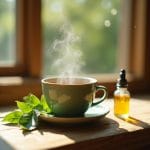
Consider pairing bee pollen with other natural antihistamines like stinging nettle tea or butterbur extract for enhanced effects. The key lies in starting early, staying consistent, and maintaining realistic expectations about this ancient remedy’s modern applications.
While bee pollen may not replace your allergy medications entirely, it offers a natural, nutrient-dense addition to your seasonal wellness toolkit—one that connects us to the very environment we’re learning to live in harmony with.