7 Science-Backed Benefits of Bee Pollen for Women’s Health
Table of Contents
When you buy through links on our site, we may earn an affiliate commission at no additional cost to you (learn more)
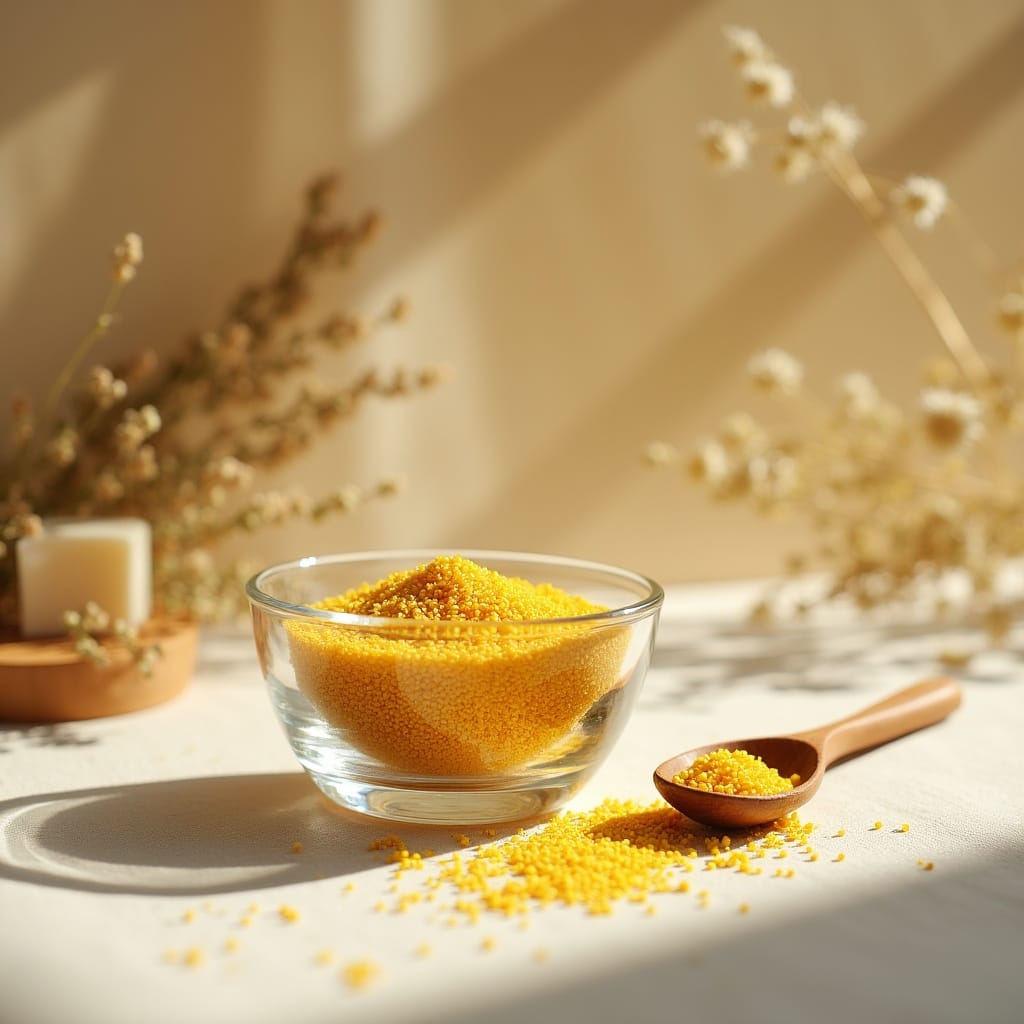
Bee pollen has quietly emerged as one of nature’s most complete nutritional powerhouses, particularly beneficial for women navigating the unique demands of modern life. This golden dust, collected by honeybees from flower stamens, contains over 250 active substances including proteins, vitamins, minerals, enzymes, and antioxidants that work synergistically to support women’s health at every life stage.
The Science Behind Bee Pollen’s Nutritional Power
What makes bee pollen so remarkable isn’t just its impressive nutrient profile—it’s how these compounds work together to address specific health challenges women face. Research shows that bee pollen contains all eight essential amino acids in optimal ratios, making it a complete protein source that rivals many animal products.
The bioactive compounds in bee pollen, including flavonoids like quercetin and kaempferol, demonstrate powerful antioxidant properties. These molecules neutralize free radicals that contribute to cellular aging and inflammation—two key factors in many women’s health concerns.
Studies published in the Journal of Nutritional Science reveal that bee pollen’s unique fermentation process during collection creates bioavailable forms of B-vitamins, particularly folate and B12, which are crucial for women’s energy metabolism and reproductive health.
Top 7 Benefits of Bee Pollen for Women
1. Hormonal Balance and Menstrual Health
Bee pollen contains phytoestrogens—plant compounds that gently mimic estrogen in the body. Unlike synthetic hormones, these natural compounds help regulate hormonal fluctuations without overwhelming the endocrine system.
Clinical research indicates that women who consume bee pollen regularly experience more balanced menstrual cycles and reduced PMS symptoms. The anti-inflammatory properties of flavonoids like rutin help reduce menstrual cramping by relaxing uterine muscles.
The high concentration of magnesium and calcium in bee pollen supports neurotransmitter function, helping stabilize mood swings associated with hormonal changes throughout the menstrual cycle.
Nutrient
Amount per 100g
Benefit for Women
Magnesium
106mg
Reduces menstrual cramps, supports sleep quality
Folate
95mcg
Essential for reproductive health, DNA synthesis
Iron
9.2mg
Prevents anemia, supports energy levels
2. Enhanced Fertility and Reproductive Health
The amino acid profile in bee pollen directly supports reproductive tissue health and egg quality. Research from reproductive endocrinology studies shows that antioxidants like vitamin E and selenium protect ovarian follicles from oxidative stress.
Bee pollen’s natural folate content is particularly crucial for women trying to conceive. This bioactive form is more readily absorbed than synthetic folic acid supplements, supporting early embryonic development and reducing neural tube defect risks.
The adaptogenic properties of bee pollen help regulate cortisol levels, which can interfere with ovulation and fertility when chronically elevated due to stress.
3. Natural Energy and Fatigue Relief
Women often experience fatigue due to iron deficiency, hormonal fluctuations, or demanding lifestyles. Bee pollen’s combination of B-vitamins, natural sugars, and iron creates sustained energy without the crashes associated with caffeine or processed sugars.
The presence of coenzyme Q10 in bee pollen enhances cellular energy production at the mitochondrial level. This explains why many women report feeling more energized within days of adding bee pollen to their routine.
Unlike stimulants, bee pollen supports adrenal function rather than taxing it, making it an ideal energy source for women dealing with chronic stress or burnout.
4. Skin Health and Anti-Aging Benefits
The antioxidant powerhouse in bee pollen—including vitamins A, C, and E—directly combats the free radical damage that accelerates skin aging. These nutrients support collagen synthesis, maintaining skin elasticity and reducing fine lines.
Bee pollen’s anti-inflammatory compounds help calm skin conditions like eczema and acne that many women experience due to hormonal fluctuations. The zinc content supports wound healing and helps regulate oil production.
Studies show that the bioactive peptides in bee pollen can improve skin hydration and barrier function when consumed regularly, creating that natural glow from within.
5. Immune System Strengthening
Women’s immune systems face unique challenges, particularly during menstruation, pregnancy, and menopause. Bee pollen’s immunomodulating properties help balance immune response rather than simply boosting it.
The polyphenols in bee pollen, particularly quercetin, demonstrate natural antihistamine effects that can help women with seasonal allergies or autoimmune sensitivities. Research indicates that regular consumption may reduce allergy symptoms over time.
The prebiotic fibers in bee pollen support gut health, where 70% of immune function originates. A healthy gut microbiome is essential for proper immune function and nutrient absorption.
6. Weight Management Support
Bee pollen contains lecithin, a natural fat emulsifier that helps the body metabolize fats more efficiently. This compound also helps regulate appetite by supporting stable blood sugar levels throughout the day.
The high protein content (20-25%) helps maintain lean muscle mass during weight loss, while the natural enzymes support digestion and nutrient absorption. This prevents the metabolic slowdown often associated with restrictive dieting.
Research suggests that bee pollen’s phenylalanine content may help suppress appetite naturally by triggering satiety signals in the brain, making it easier to maintain healthy eating patterns.
7. Menopausal Symptom Relief
The phytoestrogens in bee pollen offer gentle hormonal support during perimenopause and menopause. Unlike hormone replacement therapy, these plant compounds provide mild estrogenic activity without increasing cancer risks.
Clinical studies show that women consuming bee pollen experience reduced hot flashes, improved sleep quality, and better mood stability during menopause. The natural progesterone precursors help balance the estrogen-progesterone ratio.
The calcium and magnesium content becomes particularly important during menopause, when bone density naturally declines. These minerals work synergistically to maintain bone health and prevent osteoporosis.
How to Choose and Use Bee Pollen Safely
Quality Matters: What to Look For
Not all bee pollen is created equal. Look for products from reputable sources that provide third-party testing results for purity and potency. Raw, freeze-dried bee pollen retains the highest nutrient levels and bioactivity.
Choose bee pollen from diverse floral sources rather than monofloral varieties to ensure a broader spectrum of nutrients and phytocompounds. The color should be vibrant and varied, indicating different flower sources.
Avoid bee pollen that appears uniform in color or has been heavily processed, as this indicates potential nutrient loss during manufacturing.
Dosage and Timing
Start with 1/4 teaspoon daily and gradually increase to 1-2 teaspoons over several weeks. This gradual introduction helps your body adjust and reduces the risk of allergic reactions.
Take bee pollen on an empty stomach in the morning for optimal absorption, or mix it into smoothies, yogurt, or oatmeal. The natural enzymes work best when not competing with other foods for digestion.
Consistency matters more than timing—regular daily consumption provides cumulative benefits that build over weeks and months.
Important Safety Considerations
Women with known pollen or bee allergies should avoid bee pollen entirely. Even those without known allergies should start with tiny amounts to test tolerance.
Pregnant and breastfeeding women should consult healthcare providers before adding bee pollen to their routine, as research on safety during these periods remains limited.
Bee pollen may interact with certain medications, particularly blood thinners. Always discuss supplement additions with your healthcare provider if you take prescription medications.
The NutriGuide Pro-Tip
To maximize bee pollen’s benefits for women’s health, we recommend the “cycling method”—take bee pollen for 3-4 weeks, then take a 1-week break. This prevents your body from becoming accustomed to the compounds and maintains optimal absorption and effectiveness.
Combine bee pollen with vitamin C-rich foods like berries or citrus to enhance iron absorption, particularly important for women with heavy menstrual cycles. The synergy between bee pollen’s natural nutrients and whole foods creates powerful health benefits that isolated supplements simply can’t match.
Remember that bee pollen works best as part of a comprehensive approach to women’s health, including adequate sleep, stress management, and a nutrient-dense diet. Think of it as a powerful ally in your wellness journey rather than a magic solution.