Nopal Cactus: The Desert Superfood That Supports Blood Sugar and Digestive Health
When you buy through links on our site, we may earn an affiliate commission at no additional cost to you (learn more)
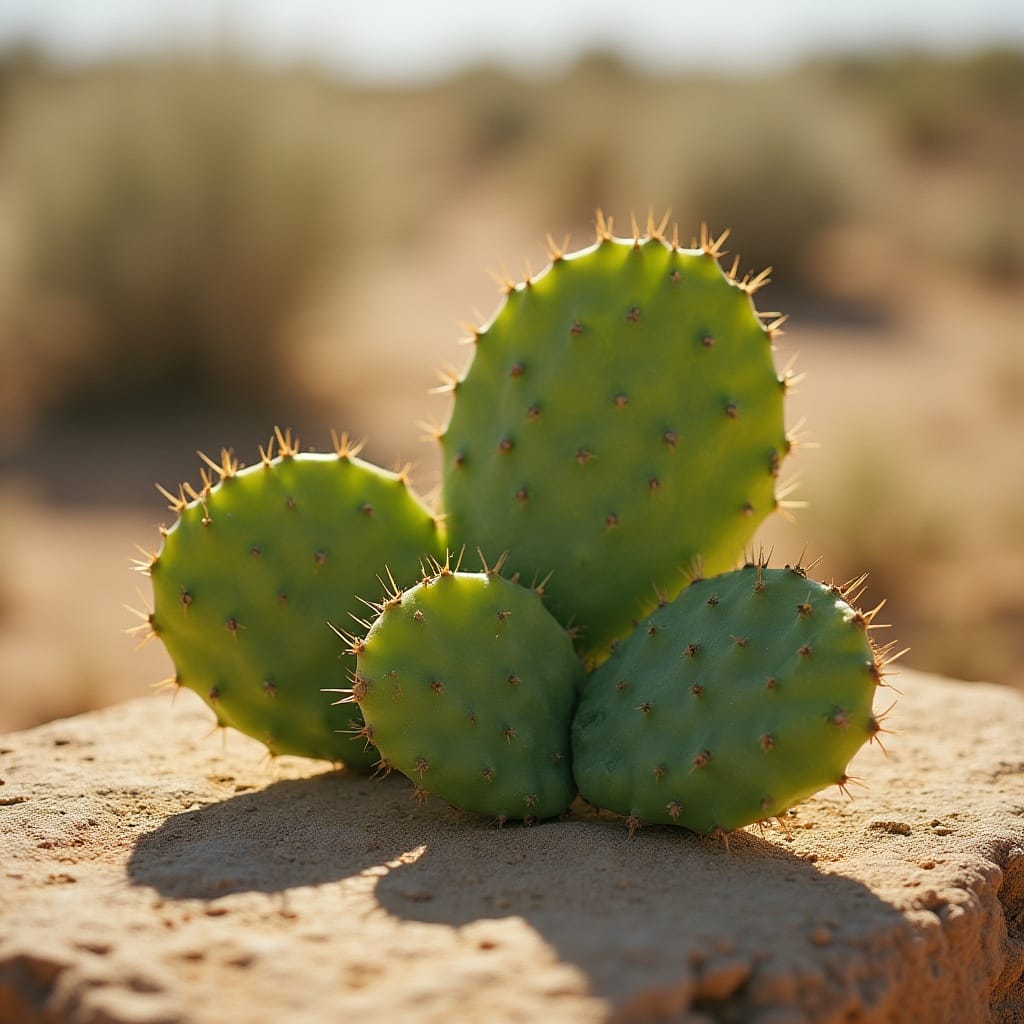
In the arid landscapes of Mexico and the southwestern United States, a remarkable plant has been nourishing communities for thousands of years. Nopal cactus, also known as prickly pear cactus (Opuntia ficus-indica), offers a unique combination of nutrients and bioactive compounds that modern research shows can significantly impact our metabolic health. This desert superfood contains high levels of fiber, antioxidants, and minerals that work synergistically to support blood sugar regulation and digestive wellness.
The Nutritional Foundation of Nopal
Nopal cactus stands out nutritionally due to its exceptional fiber content and unique mucilage compounds. Fresh nopal pads contain approximately 3.3 grams of dietary fiber per 100 grams, with both soluble and insoluble varieties present. The soluble fiber forms a gel-like substance in the digestive tract, which slows nutrient absorption and helps moderate blood sugar spikes after meals.
The cactus also provides significant amounts of vitamin C (9.3mg per 100g), magnesium (52mg), and potassium (220mg). These minerals work together to support cellular function and electrolyte balance. What makes nopal particularly interesting is its betalain content—the same purple-red pigments found in beets—which contribute powerful antioxidant and anti-inflammatory properties.
Beyond basic nutrition, nopal contains pectin, a type of soluble fiber that feeds beneficial gut bacteria and supports the production of short-chain fatty acids. These compounds help maintain intestinal barrier function and reduce inflammation throughout the digestive system.
Blood Sugar Regulation Mechanisms
Multiple clinical studies demonstrate nopal’s ability to improve glucose metabolism through several biological pathways. The high fiber content slows carbohydrate digestion and absorption, preventing rapid blood sugar elevations. Research published in the Journal of Ethnopharmacology found that consuming nopal before meals reduced post-meal glucose levels by up to 17% in people with type 2 diabetes.
The mucilage in nopal creates a viscous barrier in the small intestine that physically slows sugar absorption. This mechanism works similarly to pharmaceutical alpha-glucosidase inhibitors but through natural means. Additionally, compounds called flavonoids in nopal may enhance insulin sensitivity at the cellular level, helping cells respond more effectively to insulin signals.
A 2014 study involving 63 participants with metabolic syndrome showed that daily nopal consumption for 6 weeks led to significant improvements in fasting glucose levels and HbA1c—a marker of long-term blood sugar control. The participants consumed 500mg of nopal extract twice daily with meals.
Supporting Research
- Acute Effects: Single-dose studies show 15-25% reduction in post-meal blood sugar when nopal is consumed 30 minutes before eating
- Long-term Benefits: 8-12 week trials demonstrate sustained improvements in insulin sensitivity and glucose tolerance
- Dosage Effectiveness: Most benefits observed with 500-1000mg of standardized extract or 100-200g of fresh nopal daily
Digestive Health and Gut Support
Nopal’s high fiber content and prebiotic properties make it exceptional for digestive wellness. The combination of soluble and insoluble fiber promotes regular bowel movements while feeding beneficial bacteria species like Bifidobacterium and Lactobacillus. These bacteria produce butyrate and other short-chain fatty acids that strengthen the intestinal lining and reduce inflammation.
The mucilage compounds in nopal also provide soothing properties for irritated digestive tissues. Traditional Mexican medicine has long used nopal to address stomach discomfort, and modern research supports these applications. The gel-like substance can help protect the stomach lining from acid damage and promote healing of minor digestive irritation.
Studies show that regular nopal consumption increases stool bulk and frequency while improving overall gut microbiome diversity. A healthier microbiome supports immune function, mood regulation, and even influences blood sugar control—creating a positive feedback loop for metabolic health.
Weight Management and Satiety
The high fiber and water content of nopal makes it naturally filling while providing very few calories—only about 16 calories per 100 grams of fresh pads. The soluble fiber expands in the stomach, triggering satiety signals that help reduce overall calorie intake throughout the day.
Research indicates that the pectin in nopal may also influence hormones related to hunger and fullness, including ghrelin and GLP-1. By helping regulate these appetite-controlling hormones, nopal can support sustainable weight management as part of a balanced eating approach.
Anti-Inflammatory and Antioxidant Properties
Nopal contains impressive levels of betalains, flavonoids, and vitamin C that work together to combat oxidative stress and chronic inflammation. The betalains—particularly betanin and betacyanin—demonstrate anti-inflammatory effects comparable to some pharmaceutical compounds but without side effects.
These antioxidant compounds help protect cells from damage caused by high blood sugar and support cardiovascular health. Studies suggest that regular nopal consumption may help reduce markers of inflammation like C-reactive protein and interleukin-6, which are linked to diabetes complications and heart disease risk.
Practical Ways to Include Nopal
Fresh nopal pads can be found in many grocery stores, particularly those serving Hispanic communities. The pads should be firm and bright green, with minimal brown spots. After removing the spines and outer edges, nopal can be grilled, sautéed, or added raw to salads for a slightly tart, cucumber-like flavor.
For consistent therapeutic benefits, standardized nopal extract supplements offer precise dosing. Look for products containing 500-1000mg of nopal extract standardized for fiber and betalain content. Take with meals to maximize blood sugar benefits, and always start with smaller doses to assess digestive tolerance.
Preparation Tips
- Fresh Pads: Use a sharp knife to remove spines and outer edges, then slice into strips or cubes
- Cooking Methods: Grilling reduces mucilage content while maintaining nutrients
- Raw Applications: Add to smoothies or salads for maximum fiber benefit
- Storage: Fresh pads keep 7-10 days refrigerated in perforated plastic bags
Safety Considerations and Interactions
Nopal is generally well-tolerated, but its high fiber content can cause digestive upset if introduced too quickly. Start with small amounts and gradually increase to allow your digestive system to adapt. Some people may experience mild nausea or loose stools when first consuming nopal.
Because nopal can lower blood sugar, people taking diabetes medications should monitor glucose levels carefully and consult healthcare providers before adding therapeutic amounts. The blood sugar-lowering effects can be additive with medications like metformin or insulin.
Pregnant and breastfeeding women should stick to culinary amounts rather than therapeutic doses, as safety data for these populations remains limited.
The NutriGuide Pro-Tip
For maximum blood sugar benefits, consume nopal 20-30 minutes before your largest meal of the day. This timing allows the fiber to reach your small intestine and begin forming the protective gel barrier before food arrives. If using fresh nopal, aim for 100-150 grams (about one medium pad), or follow supplement label directions for standardized extracts. We recommend tracking your response with a glucose meter for the first few weeks to observe your individual response pattern—this helps optimize timing and dosage for your unique metabolism.