Juicing for Clear Skin: A Science-Based Guide to Nutrient-Rich Drinks That Support Healthy Complexion
Table of Contents
When you buy through links on our site, we may earn an affiliate commission at no additional cost to you (learn more)
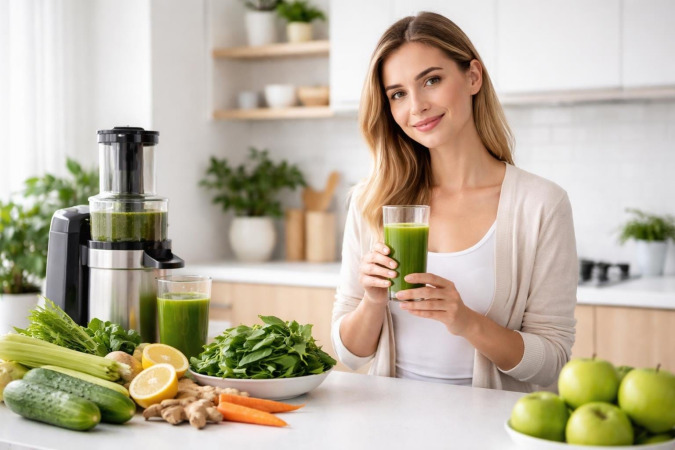
Your skin reflects what you put into your body, and juicing offers a concentrated way to deliver skin-supporting nutrients directly to your cells. Fresh juices packed with vitamins, minerals, and antioxidants can help reduce inflammation, support collagen production, and promote the natural detoxification processes that contribute to clearer skin.
The connection between nutrition and skin health is well-established in scientific research. When you consume nutrient-dense juices, you’re providing your body with compounds that combat oxidative stress and support skin cell renewal.
Understanding which ingredients work best and how to incorporate juicing into your daily routine can make the difference between seeing results and wasting effort. The right combination of fruits, vegetables, and timing can complement your existing skincare habits to support your clearest skin yet.
How Juicing Affects Skin Health
Fresh juices deliver concentrated vitamins and antioxidants that support skin cell regeneration and protection against environmental damage. The high water content in juices helps maintain skin moisture levels while specific nutrients target inflammation and oil production.
The Link Between Diet and Skin Clarity
Your skin reflects what you consume. When you drink nutrient-dense juices, your body absorbs vitamins and minerals that directly influence skin cell function and appearance.
Blood sugar spikes from processed foods trigger inflammation and increase sebum production, leading to breakouts. Fresh vegetable juices have a lower glycemic impact compared to fruit-only blends, which helps stabilize insulin levels and reduces acne formation.
The gut-skin axis plays a significant role in skin clarity. Juices containing prebiotic-rich vegetables like celery and fennel support beneficial gut bacteria. A balanced gut microbiome reduces systemic inflammation that manifests as acne, rosacea, and eczema.
Key Nutrients in Juices for Skin
Specific vitamins and minerals in fresh juices target different skin concerns:
Vitamin C stimulates collagen production and reduces hyperpigmentation. Citrus fruits, bell peppers, and kale provide 100-200mg per serving.
Vitamin A regulates skin cell turnover and controls sebum production. Carrots, sweet potatoes, and spinach deliver beta-carotene that converts to active vitamin A.
Zinc supports wound healing and controls inflammation. Ginger root and leafy greens contain moderate amounts that complement other dietary sources.
Antioxidants like beta-carotene and vitamin E neutralize free radicals from UV exposure and pollution. These compounds prevent premature aging and maintain skin elasticity.
B vitamins, particularly B3 (niacin) and B5 (pantothenic acid), strengthen the skin barrier and reduce water loss. Green vegetables and beets provide these vitamins in bioavailable forms.
Hydration and Detoxification through Juicing
Your skin needs adequate hydration to maintain its barrier function and elasticity. Juices contain 85-95% water, contributing significantly to your daily fluid intake.
Cucumber and watermelon juices provide electrolytes like potassium that help cells retain moisture. Well-hydrated skin appears plumper and shows fewer fine lines.
The liver processes toxins that otherwise accumulate and trigger skin reactions. Cruciferous vegetables like kale and cabbage contain compounds that support liver enzyme function. Enhanced liver detoxification reduces the burden on your skin as a secondary elimination organ.
Juices don’t “detox” your body in the marketed sense, but they do supply nutrients that optimize your body’s natural detoxification systems. This support can reduce inflammation-related skin issues over time.
Best Juices and Ingredients for Clear Skin
Certain fruits deliver vitamin C and antioxidants that support collagen production, while specific vegetables provide minerals and compounds that reduce inflammation. Superfoods add concentrated nutrients, and strategic juice combinations can address particular skin concerns.
Top Fruits for Clearer Complexion
Citrus fruits like oranges, lemons, and grapefruits contain high levels of vitamin C, which supports collagen synthesis and helps fade hyperpigmentation. A single orange provides approximately 70 mg of vitamin C, meeting most of your daily requirement.
Berries offer anthocyanins and antioxidants that protect skin cells from oxidative stress. Strawberries, blueberries, and raspberries work well in juices when combined with other fruits.
Papaya contains the enzyme papain, which aids in gentle exfoliation from within and supports skin cell turnover. This tropical fruit also provides vitamins A and C.
Watermelon delivers lycopene and high water content, contributing to skin hydration. The fruit’s natural sugars blend well with more tart ingredients to create balanced juice flavors.
Vegetables That Promote Healthy Skin
Cucumber provides silica, a mineral that strengthens connective tissue and maintains skin elasticity. Its high water content makes it an ideal juice base with a mild flavor.
Carrots supply beta-carotene, which your body converts to vitamin A for skin cell renewal and repair. Two medium carrots contain enough beta-carotene to meet your daily vitamin A needs.
Celery contains vitamin K and potassium, which support skin hydration and reduce puffiness. It adds a subtle saltiness to juice blends without overpowering other ingredients.
Spinach and kale offer vitamins E and K along with chlorophyll, which may help reduce inflammation. These leafy greens work best in smaller quantities due to their strong flavors.
Beetroot increases blood flow and delivers folate for cell regeneration. The vegetable’s earthy taste pairs well with citrus and ginger.
Superfoods to Boost Skin Wellness
Ginger root contains gingerol, an anti-inflammatory compound that may help reduce redness and irritation. Use about half an inch of fresh ginger per 8-ounce juice serving.
Turmeric provides curcumin, which research suggests may help manage inflammatory skin conditions. Add a quarter teaspoon to your juice, and include black pepper to enhance absorption.
Chia seeds contribute omega-3 fatty acids when soaked and blended into juices. These seeds also provide fiber that supports gut health, which connects to skin condition.
Spirulina powder contains protein, B vitamins, and copper for skin elasticity. Start with one teaspoon per serving, as larger amounts can create an overwhelming taste.
Juice Combinations for Targeted Results
For Acne-Prone Skin: Combine cucumber, lemon, ginger, and spinach. This blend provides anti-inflammatory compounds and vitamin C without excess sugar.
For Dry Skin: Mix carrot, orange, and a small piece of turmeric. The beta-carotene and vitamin C support moisture retention and skin barrier function.
For Dull Complexion: Blend strawberries, beetroot, and lemon. The combination delivers antioxidants and compounds that promote circulation and radiance.
For Aging Concerns: Create a juice with blueberries, kale, cucumber, and half an apple. This mixture provides antioxidants and vitamins that support collagen production.
You can adjust ingredient ratios based on your taste preferences while maintaining the skin benefits. Start with small portions of strong-flavored ingredients like ginger or turmeric, then increase amounts as desired.
Integrating Juicing Into a Clear Skin Routine
Fresh juices deliver concentrated nutrients most effectively when consumed at strategic times and stored properly. Understanding preparation methods and timing helps you maximize skin benefits while avoiding common pitfalls.
You should consume fresh juices within 15-20 minutes of preparation to preserve maximum nutrients and enzymes. Exposure to air causes oxidation, which degrades vitamin C and other antioxidants essential for skin health.
If immediate consumption isn’t possible, store juice in airtight glass containers filled to the top to minimize air contact. Keep these containers in the refrigerator for no longer than 24 hours.
Use organic produce when juicing to reduce pesticide exposure, which can counteract skin benefits. Wash all fruits and vegetables thoroughly before juicing, even organic varieties.
Your juicer type matters for nutrient retention. Cold-press or masticating juicers operate at lower speeds, generating less heat and preserving more vitamins compared to centrifugal juicers.
Optimal Times to Consume Juices for Skin Benefits
Drinking juice on an empty stomach allows for faster nutrient absorption. The ideal time is 20-30 minutes before breakfast or between meals.
Morning consumption provides antioxidants when your body is most receptive to nutrient uptake. This timing also helps maintain consistent blood sugar levels throughout the day, which affects skin inflammation.
You should avoid drinking juice immediately after meals, as it can interfere with digestion and reduce nutrient absorption. Wait at least two hours after eating before consuming fresh juice.
Limit juice intake to 8-16 ounces per day. Consuming more can lead to excessive sugar intake, even from natural sources, which may trigger breakouts in some individuals.
Potential Challenges and How to Avoid Them
High sugar content in fruit-heavy juices can spike blood glucose and worsen acne for some people. Focus on vegetable-based juices with a ratio of 80% vegetables to 20% fruit.
The cost of fresh produce and quality juicers can be significant. Start with 3-4 juicing sessions per week rather than daily to manage expenses while still benefiting your skin.
You may experience initial breakouts during the first week as your body adjusts and detoxifies. Stay hydrated with water alongside your juicing routine to support this transition.
Juice lacks fiber, which is important for digestive health and toxin elimination. Continue eating whole fruits and vegetables in your regular meals to maintain adequate fiber intake.