Juicing for Kidney Health: Essential Nutrients and Safe Practices for Optimal Function
Table of Contents
When you buy through links on our site, we may earn an affiliate commission at no additional cost to you (learn more)
Your kidneys filter waste and excess fluids from your blood every day, making them essential to your overall health. When kidney function declines, dietary choices become increasingly important for supporting these vital organs.
Juicing can be a practical way to consume kidney-friendly nutrients from fresh fruits and vegetables, though it requires careful selection of ingredients and portion control. Not all produce is suitable for kidney health, and some juices can actually strain your kidneys if they contain high levels of potassium, phosphorus, or sugar.
This guide will help you understand which fruits and vegetables support kidney function, how juicing can fit into a kidney-conscious diet, and what precautions you need to take. You’ll learn practical approaches to creating juices that provide nutrients without overloading your kidneys with substances they need to filter.
Benefits of Juicing for Kidney Health
Juicing provides concentrated nutrients that support your kidneys’ filtering capacity while delivering essential vitamins and minerals in an easily absorbed form. Fresh juices also contribute to your daily fluid intake and can help reduce the burden of processed foods on your renal system.
Supporting Kidney Function
Your kidneys filter approximately 200 quarts of blood daily, removing waste while retaining essential nutrients. Fresh vegetable and fruit juices supply potassium, vitamin C, and antioxidants that support this filtration process.
Cranberry juice contains compounds called proanthocyanidins that may prevent bacteria from adhering to urinary tract walls. This protective effect helps maintain clear urinary pathways, which directly impacts kidney health.
Juices rich in vitamin B6, such as those from spinach and bell peppers, support your kidneys’ ability to process proteins efficiently. However, you should monitor your intake of certain nutrients like potassium if you have existing kidney disease, as damaged kidneys may struggle to regulate mineral levels.
Detoxification and Waste Removal
Your kidneys eliminate metabolic waste products, excess minerals, and toxins from your bloodstream. Fresh juices containing cilantro, parsley, and lemon provide compounds that support these natural detoxification pathways.
Beet juice contains betalains, pigments with antioxidant properties that may protect kidney cells from oxidative stress. These compounds support your body’s natural waste elimination processes without placing additional strain on renal tissues.
The organic acids in citrus juices can help prevent certain types of kidney stones by increasing urinary citrate levels. This creates an environment less favorable for stone formation, though you should consult your healthcare provider about appropriate amounts for your situation.
Hydration Benefits
Adequate hydration maintains your blood volume and helps your kidneys filter waste effectively. Fresh juices contribute to your daily fluid needs while providing nutrients that plain water lacks.
You need approximately 8-10 cups of fluid daily, though individual requirements vary based on activity level, climate, and health status. Juices with high water content, like cucumber and watermelon, count toward this target.
Proper hydration ensures:
Optimal blood flow to kidney tissues
Efficient toxin dilution and removal
Prevention of concentrated urine that may lead to stones
Maintenance of electrolyte balance
Reducing Toxin Load
Fresh juices replace beverages that strain your kidneys, such as sodas, energy drinks, and excessive caffeine. By choosing homemade juices, you eliminate artificial sweeteners, preservatives, and excess sodium that processed drinks contain.
Commercial beverages often include phosphoric acid and high fructose corn syrup, which increase your kidneys’ workload. Fresh juices provide natural sugars alongside fiber remnants, vitamins, and minerals that support rather than stress renal function.
You should focus on low-oxalate vegetables like cucumber, celery, and cabbage if you’re prone to calcium oxalate stones. Limiting high-oxalate ingredients such as spinach and beets in your juices reduces the risk of stone formation while still providing beneficial nutrients.
Best Fruits and Vegetables for Kidney Health Juicing
Choosing the right produce for kidney-friendly juices requires attention to oxalate content and potassium levels, both of which affect kidney function and stone formation risk.
Low-Oxalate Options
Oxalates bind with calcium in your kidneys and can form stones, particularly if you have chronic kidney disease or a history of kidney stones. Selecting low-oxalate fruits and vegetables helps minimize this risk.
Cranberries rank among the lowest in oxalates and contain compounds that prevent bacteria from adhering to urinary tract walls. Watermelon and lemon also provide excellent low-oxalate options with high water content to support kidney function.
Avoid high-oxalate produce like spinach, beets, and Swiss chard in your juices. These vegetables can contain 100-900 mg of oxalates per serving, while low-oxalate options typically contain less than 10 mg.
Potassium Levels to Monitor
Your kidneys regulate potassium balance, but damaged kidneys struggle to remove excess potassium from your blood. High potassium levels can cause dangerous heart rhythm problems.
If you have kidney disease, limit potassium intake to 2,000-3,000 mg daily. Lower-potassium fruits include apples (195 mg per medium fruit), cranberries (85 mg per cup), and grapes (288 mg per cup).
Moderate your intake of these higher-potassium options:
Oranges (333 mg per medium fruit)
Carrots (410 mg per cup)
Celery (344 mg per cup)
Bananas, spinach, and tomatoes contain very high potassium levels and should be limited or avoided in kidney-friendly juices.
Kidney-Friendly Juice Recipes
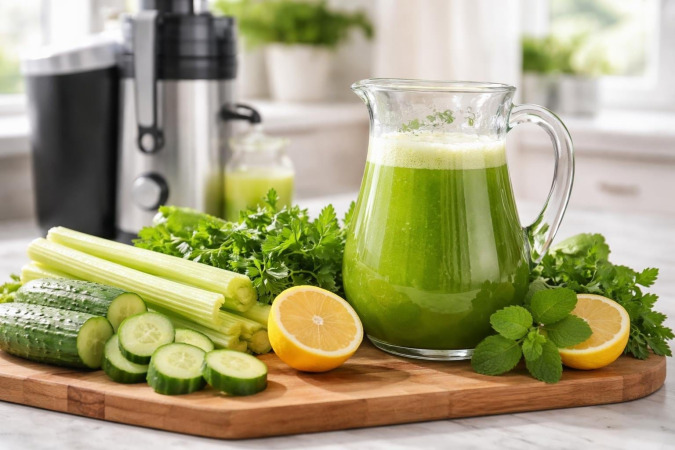
Cucumber Lemon Refresher combines 1 large cucumber, juice of 1 lemon, and 1 cup red grapes. This blend provides hydration with minimal oxalates and approximately 450 mg potassium per serving.
Apple Cranberry Cleanse uses 2 peeled apples, 1/2 cup fresh or frozen cranberries, and 1/2 cup cauliflower. The cranberries support urinary tract health while keeping oxalate content low.
Bell Pepper Grape Blend mixes 1 red bell pepper, 1.5 cups red grapes, and 1/2 cup cabbage. This recipe delivers vitamin C and antioxidants without excessive potassium or oxalates.
Dilute all juices with water to reduce concentration of minerals and sugars. Start with small portions of 4-6 ounces daily to monitor how your body responds.
Tips for Safe and Effective Juicing
Proper juicing practices protect your kidneys while maximizing nutritional benefits. Managing portion sizes, selecting appropriate equipment, and understanding potential risks ensure you juice safely without overwhelming your renal system.
Portion Control and Serving Size
You should limit juice intake to 4-8 ounces per serving to avoid excessive potassium and sugar loads on your kidneys. Drinking smaller portions throughout the day prevents sudden spikes in mineral levels that can strain kidney function.
Your daily juice consumption should not exceed 16 ounces if you have existing kidney concerns. This allows you to enjoy the benefits while keeping potassium, phosphorus, and oxalate levels manageable.
Recommended serving guidelines:
Morning: 4-6 ounces with breakfast
Afternoon: 4-6 ounces as a snack
Maximum daily total: 12-16 ounces
Diluting your juice with water in a 1:1 ratio reduces mineral concentration while maintaining hydration. This simple step cuts potassium and sugar content in half without sacrificing flavor entirely.
Choosing the Right Juicer
Centrifugal juicers work quickly and cost less, making them suitable for beginners who want to juice occasionally. These machines extract juice through high-speed spinning but generate heat that may reduce some nutrients.
Masticating juicers operate at slower speeds and preserve more enzymes and vitamins through cold-press extraction. You’ll get higher yields and better nutrient retention, though these models require a larger investment.
Cold-press juicers are ideal for kidney-focused juicing because they minimize oxidation and preserve delicate nutrients. The gentler extraction process maintains more of the beneficial compounds your kidneys need.
Look for models with easy-to-clean components since bacteria growth poses additional health risks. Stainless steel parts resist corrosion better than plastic and last longer with regular use.
Potential Risks and Precautions
You must avoid high-oxalate vegetables like spinach, beets, and Swiss chard if you’re prone to kidney stones. These compounds bind with calcium and increase stone formation risk significantly.
High-risk ingredients to limit:
Spinach and kale (high oxalates)
Beets (high oxalates and sugar)
Carrots in excess (high sugar)
Star fruit (contains neurotoxins dangerous for kidney patients)
Always wash produce thoroughly to remove pesticides and bacteria that can burden your kidneys. Organic options reduce chemical exposure but still require proper cleaning.
Consult your nephrologist before starting any juicing routine if you have chronic kidney disease or kidney damage. Your specific lab values for potassium, phosphorus, and creatinine determine which ingredients are safe for you.