Juicing for High Blood Pressure: Natural Ways to Support Cardiovascular Health
Table of Contents
When you buy through links on our site, we may earn an affiliate commission at no additional cost to you (learn more)
High blood pressure affects nearly half of adults in the United States, and many people are exploring natural approaches to manage their condition. Juicing has emerged as a popular complementary strategy that may help support healthy blood pressure levels alongside medical treatment and lifestyle changes.
Certain fruits and vegetables contain compounds like potassium, nitrates, and antioxidants that research suggests may help lower blood pressure when consumed regularly. Beets, celery, berries, and leafy greens are among the ingredients that show promise in scientific studies.
Before you start adding fresh juices to your routine, you need to understand how they work, which ingredients offer the most benefit, and how to safely incorporate them without interfering with medications or creating new health issues. This guide will walk you through the evidence-based approach to using juicing as part of your blood pressure management plan.
Understanding the Relationship Between Juicing and High Blood Pressure
Fresh juices deliver concentrated amounts of potassium, nitrates, and antioxidants that directly influence your blood vessel function and sodium balance. The bioavailability of these nutrients in liquid form allows for rapid absorption into your bloodstream.
How Juicing Affects Blood Pressure Levels
When you consume fresh vegetable and fruit juices, your body absorbs nutrients within 15-30 minutes. This rapid absorption allows compounds like dietary nitrates to convert into nitric oxide, which relaxes your blood vessel walls and improves circulation.
Potassium-rich juices work by helping your kidneys eliminate excess sodium through urine. For every 1,000 mg of potassium you consume, your systolic blood pressure may decrease by 1-2 mmHg. Beet juice contains particularly high levels of inorganic nitrates, with studies showing consumption of 250ml daily can reduce systolic pressure by 4-5 mmHg.
The fiber removal during juicing means faster nutrient delivery but also quicker sugar absorption. You should monitor your portions and focus on vegetable-based juices rather than fruit-heavy options to avoid blood sugar spikes that can indirectly affect blood pressure.
Key Nutrients in Juices Supporting Cardiovascular Health
Your cardiovascular system benefits from specific nutrients concentrated in fresh juices:
Potassium: Regulates fluid balance and counteracts sodium (found in celery, spinach, beets)
Nitrates: Convert to nitric oxide for vessel dilation (concentrated in leafy greens, beets)
Vitamin C: Supports blood vessel elasticity (present in citrus, bell peppers)
Magnesium: Helps relax arterial walls (available in dark leafy greens)
Polyphenols: Reduce oxidative stress and inflammation (abundant in berries, pomegranate)
A single 8-ounce glass of beet-celery juice can provide 600-800 mg of potassium and 200-300 mg of nitrates. These levels represent significant portions of the daily requirements needed to impact blood pressure.
Scientific Research on Juicing for Hypertension
A 2015 meta-analysis published in the Journal of Nutrition examined 16 trials involving beetroot juice consumption. Researchers found an average reduction of 4.4 mmHg in systolic blood pressure and 1.1 mmHg in diastolic pressure across 254 participants.
The American Journal of Clinical Nutrition reported in 2013 that individuals consuming 500ml of beetroot juice daily experienced sustained blood pressure reduction for up to 24 hours. The effect peaked at 3-4 hours post-consumption.
Pomegranate juice studies have shown similar benefits. A 2017 trial demonstrated that 150ml daily for two weeks reduced systolic pressure by an average of 5 mmHg in hypertensive adults. The polyphenol content appeared responsible for improved endothelial function.
Best Juicing Ingredients for Lowering Blood Pressure
Certain fruits and vegetables contain compounds that help reduce blood pressure through various mechanisms, including potassium content, nitrates, and antioxidants. Understanding which ingredients to use and how to combine them maximizes the cardiovascular benefits of juicing.
Recommended Fruits and Vegetables
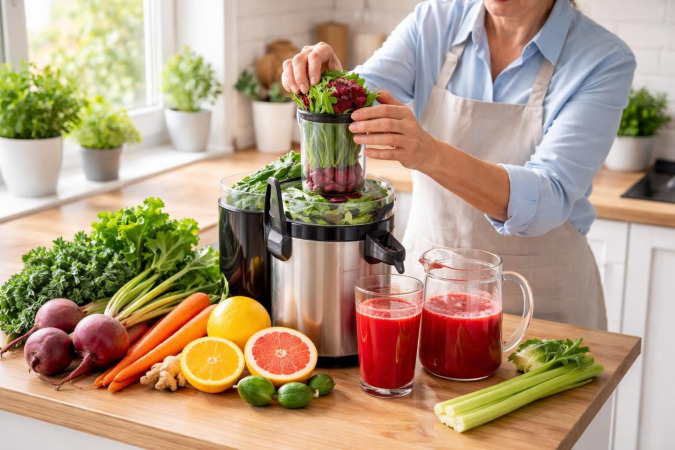
Beetroot stands out as one of the most effective ingredients for lowering blood pressure due to its high nitrate content. Your body converts these nitrates into nitric oxide, which relaxes and dilates blood vessels.
Leafy greens like spinach, kale, and Swiss chard provide significant amounts of potassium and magnesium. These minerals help balance sodium levels and support healthy blood vessel function.
Celery contains phthalides, compounds that may help relax arterial walls and improve blood flow. You can use celery as a base for many juice recipes since it has a mild flavor.
Citrus fruits including oranges, grapefruits, and lemons offer vitamin C and flavonoids. Pomegranate juice has shown particular promise in studies for its ability to reduce systolic blood pressure.
Carrots provide potassium and antioxidants while adding natural sweetness to vegetable-heavy juices. Berries, especially blueberries and strawberries, contain anthocyanins that support vascular health.
Specific Juice Recipes for High Blood Pressure
Beet and Berry Blend: Combine 1 medium beetroot, 1 cup mixed berries, 1 apple, and ½ lemon. This recipe provides nitrates from beets and antioxidants from berries.
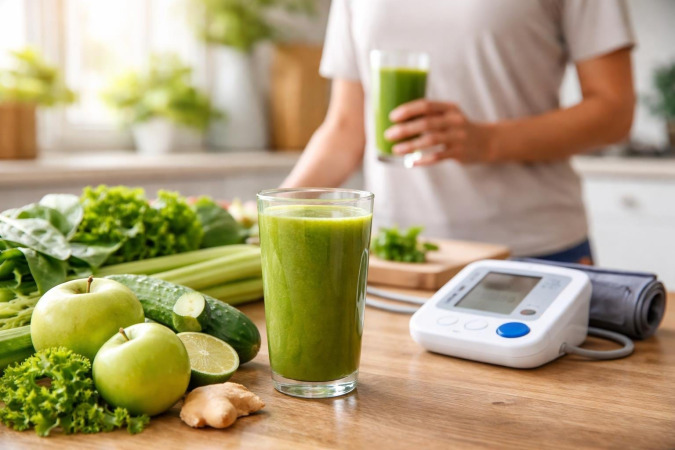
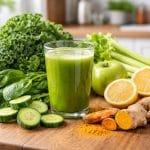
Green Power Juice: Mix 2 cups spinach, 3 celery stalks, 1 cucumber, 1 green apple, and fresh ginger. The high potassium content makes this an effective daily option.
Citrus Celery Refresher: Juice 4 celery stalks, 2 oranges, 1 carrot, and ½ inch ginger root. This combination balances mineral content with vitamin C.
Start with 4-8 ounces per day if you’re new to juicing. You can gradually increase to 12-16 ounces as your body adjusts.
Tips for Maximizing Nutrient Absorption
Drink your juice within 15-20 minutes of preparation to preserve the most nutrients. Oxidation begins immediately after juicing, reducing the beneficial compounds.
Add a small amount of healthy fat like a teaspoon of flax oil or a few avocado slices to your juice. Fat-soluble nutrients like vitamin K from leafy greens absorb better with dietary fat present.
Keep the pulp in your juice when possible or add some back after juicing. The fiber slows sugar absorption and provides additional benefits for blood pressure management.
Consume your juice on an empty stomach or at least 30 minutes before meals. This timing allows for optimal nutrient absorption without interference from other foods.
Store any leftover juice in an airtight glass container filled to the top to minimize oxygen exposure. Refrigerate immediately and consume within 24 hours for best results.
Safety Considerations and Integrating Juicing Into a Healthy Lifestyle
While juicing offers nutritional benefits for blood pressure management, you need to be aware of potential risks and understand how to incorporate it safely alongside other lifestyle modifications. Working with healthcare providers ensures juicing complements your current treatment plan without causing adverse effects.
Potential Risks and Side Effects of Juicing
Juicing removes most of the fiber from fruits and vegetables, which can cause rapid blood sugar spikes, particularly if you consume fruit-heavy juices. This is especially concerning if you have diabetes or prediabetes alongside high blood pressure.
Nutrient interactions: Leafy greens high in vitamin K can interfere with blood thinners like warfarin
Excess potassium: While beneficial for most people, too much potassium can be dangerous if you have kidney disease or take certain blood pressure medications
Calorie concentration: Juices pack more calories than whole produce, potentially leading to weight gain
Medication interference: Grapefruit juice specifically interacts with many blood pressure medications, reducing their effectiveness
You should also be cautious about oxalates in spinach and beet greens, which can contribute to kidney stone formation when consumed in large quantities. Raw juice carries a small risk of foodborne illness if produce isn’t properly washed.
Combining Juicing With Other Heart-Healthy Habits
Juicing works best as one component of a comprehensive approach to managing blood pressure rather than a standalone solution. You should maintain a balanced diet that includes whole fruits, vegetables, whole grains, and lean proteins.
Regular physical activity remains essential—aim for at least 150 minutes of moderate exercise weekly. The DASH diet principles provide an excellent framework: limit sodium to 1,500-2,300 mg daily, reduce saturated fats, and increase potassium, magnesium, and calcium intake.
Consider having fresh juice alongside a meal containing fiber and protein to slow sugar absorption. Stress management through meditation, adequate sleep (7-9 hours nightly), and limiting alcohol consumption all support blood pressure control alongside your juicing regimen.
Consulting Healthcare Professionals About Juicing
You must discuss juicing with your doctor before starting, especially if you take blood pressure medications or have other health conditions. Your physician can identify potential drug-nutrient interactions and adjust your treatment plan accordingly.
A registered dietitian can help you create juice recipes that align with your specific nutritional needs and health goals. They’ll calculate appropriate portion sizes and frequency based on your calorie requirements and blood sugar management needs.
Bring a list of ingredients you plan to juice to your appointments. Your healthcare team can flag problematic combinations and suggest modifications. If you experience symptoms like dizziness, irregular heartbeat, or digestive issues after starting a juicing routine, contact your doctor immediately.