Superfoods For Energy

When you buy through links on our site, we may earn an affiliate commission at no additional cost to you (learn more)
Are you struggling with feeling sluggish? Do you experience an afternoon slump in your energy level? Do you wake up feeling tired? While you may assume that you are sleeping well or that you are doing everything right for your health, your diet could be causing you to feel chronically tired or leading to your lack of pep.
Understanding Fatigue
Your energy levels are controlled within the cells of your body. Your digestive system breaks down the food you eat into its most essential parts, which are carbohydrates, fats, and proteins, as well as the various chemicals, minerals, and micronutrients that are found in your food.
Each of these compounds and molecules is sent through your bloodstream, where they are captured by various cells in the body that need them to perform their work.
When you eat too much of one category, like fat, and not enough of another, like protein, your cells do not have all that they need to do their jobs. Carbohydrates are the driving force behind energy.
When you digest food, carbs are turned into sugar. Eating a lot of simple carbs results in high levels of sugar in the body, and whatever sugars your cells cannot use at the moment is stored as fat.
When you consume easily digestible carbohydrates, such as refined sugars and grains, digestion is rapid. That causes a sudden rise in blood sugar levels followed by a sudden crash when the body releases insulin to reduce excess sugar.
Eating more complex carbs, including whole grains with natural fibers, means digestion takes longer and provides a steadier release of energy to your cells. That gives you more consistent fuel.
Cells that lack the proper minerals, vitamins, and other micronutrients may also perform slowly or not at all, which can influence your energy level. Eating a wide variety of whole foods that are primarily plant-based helps ensure you get the nutrients your body needs for optimal energy.
Balancing Energy with Superfoods
The foods that help maintain steady energy throughout the day are those with healthy, high-fiber carbs, foods rich in micronutrients, and sources of lean protein and healthy fats that release energy slowly.
Below are key categories and practical choices that studies suggest support sustained energy and cognitive function.
Whole Fruits

Whole fruits provide natural sugars plus fiber, vitamins, minerals, and plant compounds that help cells work better. Fiber slows digestion so energy is released over time instead of in a spike.
- Bananas for quick potassium and natural carbs.
- Apples for fiber and steady energy release.
- Oranges and berries for vitamin C and antioxidants.
- Goji berries for antioxidants and trace minerals.
Eat fruit whole rather than juiced to keep the fiber and avoid concentrated sugars.
Healthy Fats

Fats are important for brain function and slow-burning energy. Omega-3 fatty acids are especially beneficial for cognition and cellular health.
- Nuts and seeds: almonds, walnuts, chia, flax, and pumpkin seeds.
- Fatty fish: salmon, tuna, mackerel, and sardines.
- Avocado: supplies healthy monounsaturated fat and B vitamins.
Pair fats with carbs to slow glucose absorption. For example, add nut butter to toast or seeds to oatmeal.
Complex Carbohydrates

Complex carbs digest slowly and provide long-lasting fuel. They are best when minimally processed because they keep more fiber and nutrients.
- Steel-cut oats, brown rice, quinoa, barley, farro, and millet.
- Whole grains like wheatberries, spelt, and rye.
Choose these as staples at meals to avoid midafternoon energy drops.
Lean Proteins
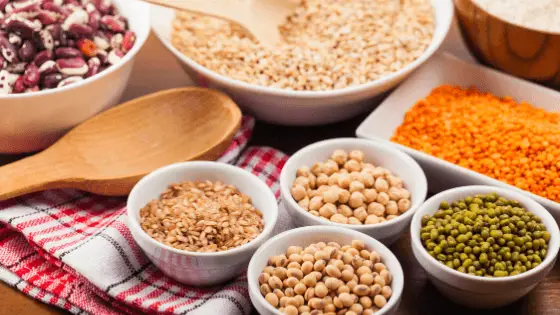
Protein supports muscle repair and keeps blood sugar stable by slowing digestion. Plant proteins often bring fiber and minerals as well.
- Legumes: lentils, chickpeas, black beans, kidney beans, and split peas.
- Soy products: tofu and edamame for complete plant protein.
- Lean animal proteins if desired: poultry, fish, and eggs.
Include a palm-sized portion of protein with each meal for lasting fullness and steady energy.
Water

Hydration is essential for energy. Even mild dehydration can reduce alertness and cause tiredness.
Drink water regularly through the day. A simple rule is to sip water between meals and with activity. More may be needed in hot weather or with exercise.
How to Use These Superfoods
Small practical changes make a big difference. Try these simple habits that are easy to keep.
- Start the day with a balanced breakfast: whole grains, a protein source, a piece of fruit, and a few nuts or seeds.
- Plan snacks that combine carbs and protein, for example apple slices with nut butter or yogurt with berries.
- Include a serving of vegetables and a protein source at each main meal to slow digestion and maintain steady blood sugar.
- When you feel a slump, walk for five to ten minutes and drink water before reaching for sugary snacks. Movement improves circulation and can lift energy.
Safety and Practical Notes
Most whole foods are safe for general use. However, individual needs vary. If you have a medical condition or take medication, check with your healthcare provider before making major diet changes.
Those with diabetes should monitor portion sizes and prefer low-glycemic fruits and whole grains. People with nut allergies should avoid tree nuts and choose seeds instead.
Supplements are not necessary if your diet is varied, but they may help when deficiencies exist. Have a healthcare professional check for deficiencies such as iron or vitamin B12 before starting supplements.
Final Thoughts
Eating to maintain energy does not have to be complicated. Focus on whole fruits, healthy fats, complex carbohydrates, lean proteins, and regular hydration.
These foods supply the macro- and micronutrients cells need to produce energy and support brain function. Small, consistent changes in meals and snacks will lead to steadier energy through the day.