Best Teas for Energy and Focus

When you buy through links on our site, we may earn an affiliate commission at no additional cost to you (learn more)
Sometimes you need a little boost to see you through the last few hours of the workday. Maybe you need to clear brain fog so you can concentrate. Or perhaps you are a night owl looking for a later-day alternative to coffee. While tea is often seen as a calm, soothing choice, several teas make excellent options for energy and focus.
Not all energy-boosting teas rely solely on caffeine. Many herbal teas support alertness through improved circulation, reduced inflammation, or adaptogenic effects that help the body manage stress. Below are nine science-backed teas to consider and practical tips for choosing and brewing them.
Yerba Mate
Yerba mate is a South American leaf traditionally brewed and sipped from a gourd. It contains a moderate amount of caffeine plus polyphenols and saponins, plant compounds linked with antioxidant and metabolic effects.
Studies suggest yerba mate can increase alertness and may modestly raise energy expenditure during activity compared with no stimulant. For people who want more sustained focus than coffee’s quick spike, mate can be a balanced option.
Green Tea
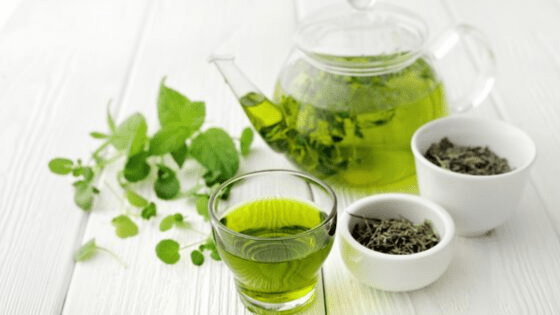
Green tea provides a small dose of caffeine plus L-theanine, an amino acid known for promoting calm, focused attention. Research shows the combination of caffeine and L-theanine can improve reaction time, attention, and task-switching without strong jitteriness.
Green tea also supplies antioxidants called catechins, which have anti-inflammatory benefits that may reduce brain fog in some people.
Astragalus Tea
Astragalus is used in Traditional Chinese Medicine to support energy and resilience. It is considered nourishing rather than stimulating.
People who feel chronically fatigued may find astragalus helps by supporting immune function and lowering inflammation over time. Evidence is mostly traditional and preliminary, so treat it as a supportive herb rather than an acute stimulant.
White Tea
White tea is the least processed form of Camellia sinensis and contains a gentle amount of caffeine plus antioxidants. It also has L-theanine and other amino acids that support a calm, focused state.
Choose white tea when you want a subtle boost without the stronger stimulant effect of black coffee.
Ashwagandha Powder Tea
Ashwagandha is an adaptogen used in Ayurvedic medicine to help the body adapt to stress. Studies suggest it can improve cognitive performance, reduce perceived stress, and support attention in some people.
As an energy strategy, ashwagandha helps by lowering stress-related fatigue rather than by directly stimulating the nervous system.
Ginger Tea

Ginger is commonly used for digestion, but it also improves circulation and may increase the release of adrenal catecholamines, compounds involved in energy mobilization.
Drinking ginger tea can reduce nausea, ease tension, and provide a feeling of revitalization that supports both physical and mental energy.
Licorice Root Tea
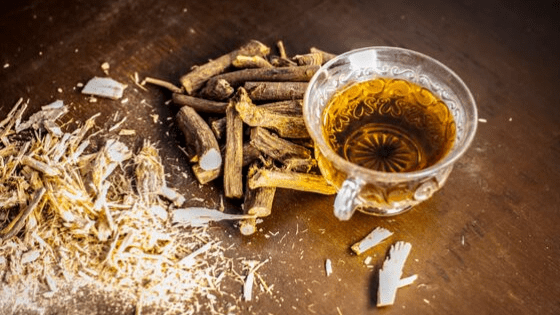
Licorice root acts as an adaptogen for some people by supporting the adrenal glands and helping to modulate stress hormone activity. This can translate into improved energy when fatigue is stress-related.
Use licorice in moderation and avoid long-term high intake if you have high blood pressure or kidney issues, since it can affect sodium and fluid balance.
Peppermint Tea

Peppermint can sharpen alertness and lift mood through sensory stimulation and mild improvements in cerebral blood flow. Studies have shown peppermint aroma and ingestion may improve memory and sustained attention for some tasks.
It is caffeine-free, making it a good option for late-day focus without sleep disruption.
Black Tea
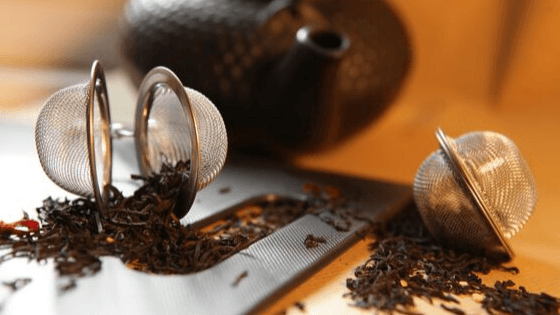
Black tea contains more caffeine than green or white tea but less than coffee. It also has antioxidants and has been linked in population studies to heart health benefits when consumed as part of a balanced diet.
Choose black tea if you need a stronger stimulant effect than green tea but want something milder than coffee.
How to Choose, Brew, and Use These Teas Safely
Use the list below to tailor tea choices to your needs and avoid unwanted effects.
- For steady focus without jitters: choose green or white tea for caffeine + L-theanine.
- For stress-related fatigue: try adaptogens like ashwagandha, licorice, or astragalus.
- For caffeine-free alertness: peppermint or ginger provides sensory and circulatory support.
- Brewing tips: steep green tea 2-3 minutes in 75-80°C water to preserve L-theanine; black tea can steep 3-5 minutes in boiling water for more caffeine.
- Avoid late-night caffeine if sleep is a priority. Stop caffeinated tea 6 hours before bedtime as a general guideline.
Safety notes:
- Pregnant or breastfeeding people and those on medications (especially blood thinners, thyroid meds, or blood pressure drugs) should consult a clinician before using herbs like licorice, ashwagandha, or astragalus.
- Limit excessive licorice intake if you have high blood pressure or heart disease.
- Observe how your body responds—start with one cup to assess tolerance before increasing frequency.
Quick Summary
Tea can boost energy and focus through modest caffeine, calming amino acids, improved circulation, or adaptogenic support. Choose the tea that best fits your response to caffeine and the reason you need energy.
Simple swaps—green or white for calm focus, black for a stronger lift, or herbal options for caffeine-free alertness—let you tailor your routine without relying solely on coffee.
Sources