Benefits of Acerola Cherries: Unlocking a Powerhouse of Nutrition
Table of Contents
When you buy through links on our site, we may earn an affiliate commission at no additional cost to you (learn more)
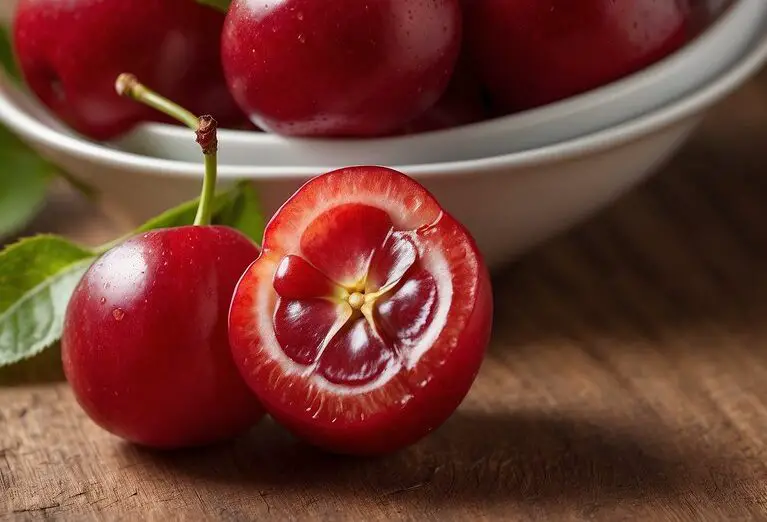
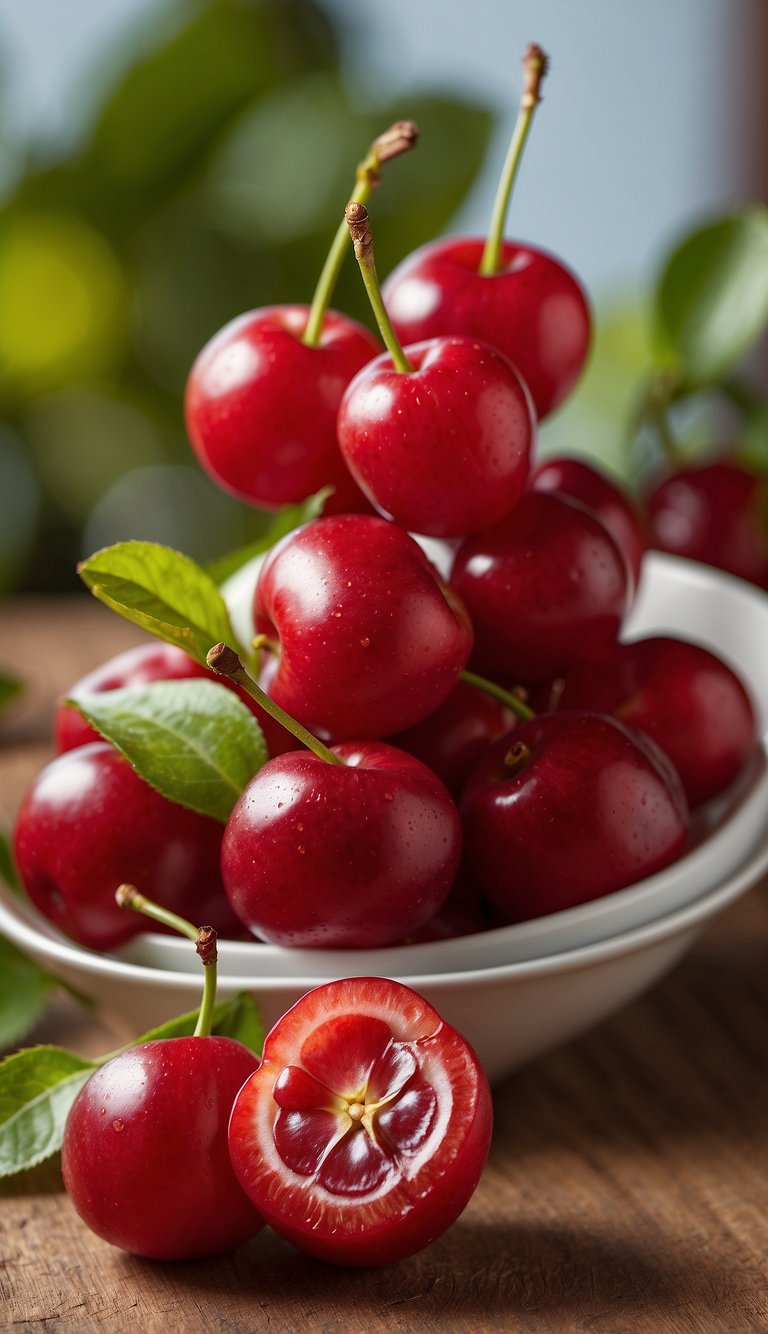
Acerola cherries are small but mighty fruits that are gaining a reputation as a nutrient-dense option for people looking to boost vitamin intake naturally. These bright red berries originate from Central America, the West Indies, and northern South America. They are visually appealing and offer a nutritional profile that can support overall well-being.
As more people seek whole-food sources of nutrients, acerola cherries stand out for their very high vitamin C content and other beneficial compounds. They can be eaten fresh when available, blended into smoothies, or used in extracts and supplements for concentrated doses.
Nutritional Profile of Acerola Cherries
Rich in Vitamin C
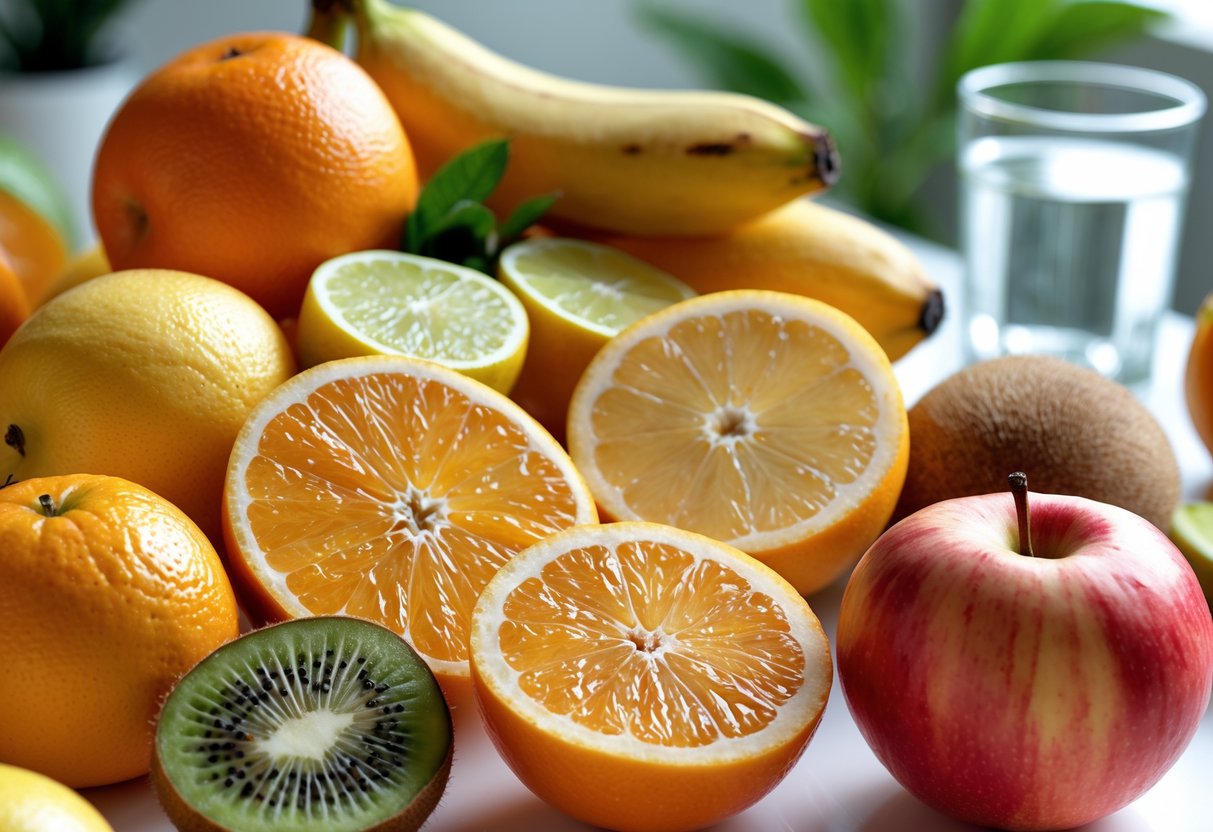
Acerola cherries are an exceptional source of vitamin C. By weight, they deliver substantially more vitamin C than common citrus fruits.
Vitamin C is a water-soluble nutrient that functions as an antioxidant and supports the immune system. It also plays a direct role in the synthesis of collagen, a structural protein important for skin, blood vessels, and connective tissue.
Other Vitamins and Minerals
In addition to vitamin C, acerola cherries contain small amounts of B vitamins, vitamin A precursors, and minerals such as calcium, potassium, magnesium, and phosphorus.
These micronutrients support energy metabolism, muscle and nerve function, and bone health. The cherries also provide dietary fiber and a range of plant compounds called polyphenols, which contribute antioxidant and anti-inflammatory activity.
Evidence-Based Health Benefits
Immune Support
Studies suggest that vitamin C helps the immune system by supporting several cellular functions of both the innate and adaptive immune systems. Antioxidant activity helps neutralize free radicals produced during infections.
While whole foods like acerola provide vitamin C along with other supportive compounds, individual needs vary and very high therapeutic doses should be discussed with a healthcare professional.
Vitamin C is essential for the enzymatic steps that produce mature collagen. By supplying vitamin C, acerola cherries may help maintain skin elasticity and assist in skin repair processes.
Topical vitamin C and dietary intake both contribute to skin health. Foods that provide vitamin C together with antioxidants can help protect skin cells from oxidative damage caused by ultraviolet light and pollution.
Antioxidant and Anti-Inflammatory Effects
Acerola cherries contain polyphenols and vitamin C, both known for antioxidant properties. Antioxidants help reduce oxidative stress, which is linked to chronic disease risk.
Some studies indicate that polyphenol-rich foods can lower markers of inflammation. Including a variety of antioxidant-rich fruits in the diet supports overall cellular health.
Digestive Health
Acerola cherries supply dietary fiber, which aids regular bowel movements and supports a healthy gut environment. Fiber feeds beneficial gut bacteria and can improve stool consistency.
Regular consumption of fiber-rich fruits is associated with better digestion and a lower risk of constipation.
How to Use Acerola Cherries
Acerola can be enjoyed in several ways, depending on availability and preference:
Fresh: Eat raw when in season for the most natural form of nutrients.
Juice: Fresh acerola juice is potent but can be acidic; dilute or mix with other juices.
Smoothies: Blend frozen or fresh cherries into smoothies for taste and nutrient boost.
Powder or extract: Concentrated forms are convenient and useful when fresh fruit is unavailable.
When using powdered acerola or supplements, check the product label for vitamin C content and serving size. Processing and storage can affect nutrient levels, so choose reputable brands.
Add a small amount of acerola powder to a morning smoothie to increase vitamin C without changing flavor dramatically.
Mix acerola juice with water and a mild sweetener to make a refreshing drink, especially in warmer months.
Combine acerola with other antioxidant-rich fruits like berries and kiwi for a nutrient-dense bowl or smoothie.
Safety and Precautions
Acerola is generally safe for most people when consumed as food. However, concentrated supplements can deliver much higher doses of vitamin C than whole fruit.
High doses of vitamin C may cause gastrointestinal upset in some people, including diarrhea, nausea, and stomach cramps. Those with a history of kidney stones should consult a healthcare provider before taking large vitamin C supplements, because high vitamin C intake can increase oxalate levels in urine for susceptible individuals.
If you take medications or have chronic health conditions, speak with your clinician before starting concentrated acerola supplements. Pregnant or breastfeeding people should also check with their healthcare provider about appropriate doses.
Summary
Acerola cherries are a nutrient-dense fruit notable for very high vitamin C levels and a mix of other vitamins, minerals, fiber, and antioxidant plant compounds. Studies and nutritional science support vitamin C’s role in immune function, collagen production, and antioxidant protection.
Incorporating whole acerola fruit, juice, or responsibly sourced powders into a balanced diet can be a practical way to increase vitamin C intake. Use caution with high-dose supplements and consult a healthcare professional when in doubt.