Using Cinnamon for Fibroids

When you buy through links on our site, we may earn an affiliate commission at no additional cost to you (learn more)
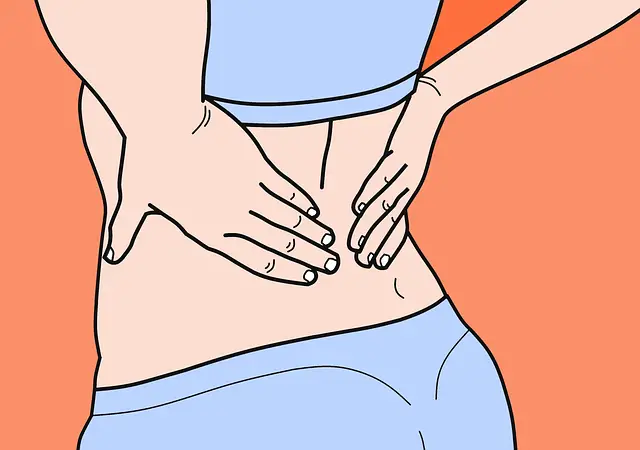
For some women, fibroids are an everyday part of life. Fibroids are noncancerous growths that develop in or on the uterus during the childbearing years. They can cause lower back pain, pelvic pain, heavy menstrual bleeding, and cramps. The exact cause of fibroids is not known, but risk factors include a family history of fibroids, obesity, and early onset of puberty.
Treatment ranges from watchful waiting and medication to medical procedures that remove or shrink fibroids. If you experience severe pain or heavy bleeding, contact your healthcare provider. This article looks at cinnamon as a supportive, natural approach that some women use alongside standard care. It is not a substitute for professional medical advice.
Cinnamon (see a commonly used supplement) is a spice with a long history of culinary and medicinal use. Research suggests cinnamon has properties such as blood-sugar lowering effects, anti-inflammatory actions, and antioxidant activity—mechanisms that may indirectly influence factors linked with fibroid growth.
How cinnamon may be relevant to fibroids
Fibroid growth is influenced by hormones (especially estrogen and progesterone), insulin and metabolic health, and inflammation. Cinnamon is known for a few measurable effects that relate to these pathways:
- Blood sugar and insulin sensitivity: Several studies suggest cinnamon can modestly lower fasting blood glucose and improve insulin sensitivity. High insulin levels and insulin resistance are associated with hormonal imbalances that may support fibroid development.
- Anti-inflammatory and antioxidant effects: Laboratory and animal studies show components of cinnamon reduce markers of inflammation and oxidative stress. Chronic inflammation can contribute to tissue changes in the uterus.
- Potential hormone interactions: There is limited laboratory evidence that cinnamon extracts can affect cellular pathways involved in cell growth, but direct evidence for shrinking fibroids in humans is lacking.
These mechanisms are plausible links, but clinical evidence directly proving cinnamon shrinks fibroids in humans is limited. Most human studies focus on metabolic effects or menstrual symptom relief rather than fibroid size.
What research says
Direct trials of cinnamon for fibroid reduction are scarce. However, studies examining cinnamon in related conditions provide context:
- Metabolic studies: Randomized trials and meta-analyses report small improvements in fasting glucose, HbA1c, and insulin sensitivity with cinnamon supplementation in people with insulin resistance or type 2 diabetes.
- Menstrual symptoms: Small clinical studies and traditional use suggest cinnamon can reduce menstrual pain and heavy bleeding in some women, likely through anti-inflammatory and uterine-relaxing effects.
- Laboratory research: Cell and animal studies indicate cinnamon compounds can modulate inflammation and cell proliferation pathways, but these findings do not confirm a therapeutic effect on human fibroids.
In short, studies suggest cinnamon may help metabolic and menstrual factors that are indirectly related to fibroid risk and symptoms. Strong clinical evidence showing cinnamon shrinks fibroids is not yet available.
How to use cinnamon safely
Cinnamon is available as ground spice, tea, and concentrated supplements. If you try cinnamon for general metabolic or menstrual support, follow these practical tips:
- Start low: Use small culinary amounts (a pinch to 1 teaspoon daily) or follow label directions for supplements.
- Prefer Ceylon for regular use: Cassia cinnamon (the common supermarket variety) contains higher levels of coumarin, which can harm the liver in large amounts. Ceylon cinnamon has much less coumarin.
- Watch medications: Cinnamon can lower blood sugar and may interact with diabetes medications or blood thinners. Check with your provider before starting supplements.
- Avoid high-dose long-term use without medical supervision: Concentrated extracts can have stronger effects and unknown long-term safety for some people.
Practical ways to add cinnamon
Use culinary methods first, which are safe and often beneficial for general health:
- Add cinnamon to oatmeal, smoothies, or coffee.
- Steep a cinnamon stick to make tea.
- Consider a standardized supplement if you need consistent dosing—again, consult your clinician. Example product: cinnamon supplement.
When to see a doctor
See your healthcare provider promptly if you have heavy bleeding, severe pelvic pain, sudden abdominal enlargement, or signs of anemia (fatigue, paleness, shortness of breath). These can be signs that fibroids require medical evaluation and treatment.
Cinnamon may be a helpful supportive measure for metabolic health and menstrual symptoms, but it should not replace diagnostic testing or treatments recommended by your clinician.
Summary
Cinnamon has biological effects—such as modest blood-sugar lowering, anti-inflammatory activity, and antioxidant properties—that make it a reasonable adjunct for metabolic health and menstrual symptom relief. These actions are relevant to processes involved in fibroid development, but current clinical evidence that cinnamon directly shrinks fibroids is limited.
If you want to try cinnamon, favor Ceylon cinnamon for regular use, start with culinary amounts, and discuss supplements with your healthcare provider—especially if you take medications or have liver disease. For significant symptoms, seek medical evaluation to explore evidence-based treatments.