When you buy through links on our site, we may earn an affiliate commission at no additional cost to you (learn more)
Inflammation is your body’s natural response to injury or infection, but when it becomes chronic, it can contribute to various health conditions. Many people turn to natural approaches to help manage inflammation, and juicing has gained attention as one potential strategy.
Fresh juices made from specific fruits and vegetables contain antioxidants, vitamins, and plant compounds that may help reduce inflammatory markers in your body. The concentrated nutrients in freshly pressed juice can provide a convenient way to consume larger amounts of anti-inflammatory ingredients than you might eat whole.
Before you start juicing for inflammation, you need to understand which ingredients offer the most benefits and how to incorporate them safely into your routine. This guide will walk you through the science behind juicing’s anti-inflammatory potential, the most effective ingredients to use, and practical considerations to keep in mind.
How Juicing Supports Inflammation Reduction
Fresh juices deliver concentrated amounts of bioactive compounds that interact with inflammatory pathways in your body. The mechanisms involve antioxidant activity, enzyme modulation, and cellular signaling processes that can reduce inflammatory markers.
Key Anti-Inflammatory Compounds Found in Juice
Polyphenols are plant compounds abundant in berries, grapes, and citrus fruits. These molecules neutralize free radicals and reduce oxidative stress in your tissues. Quercetin, found in apples and leafy greens, inhibits histamine release and blocks inflammatory enzymes.
Carotenoids like beta-carotene and lycopene give fruits and vegetables their orange and red colors. Your body converts some carotenoids into vitamin A, which regulates immune responses. Lycopene from tomatoes specifically reduces C-reactive protein levels in your blood.
Vitamin C concentrations in fresh juice exceed those in many other foods. This vitamin supports your immune system and reduces inflammation by protecting cells from oxidative damage. Citrus fruits, bell peppers, and kale provide substantial amounts.
Gingerol and curcumin from ginger and turmeric roots block COX-2 enzymes and reduce prostaglandin production. These compounds work similarly to some pharmaceutical anti-inflammatory drugs but with different side effect profiles.
Mechanisms of Action in the Body
The compounds in fresh juice enter your bloodstream within 15-30 minutes of consumption. They circulate through your body and interact with cells involved in inflammatory responses. Antioxidants donate electrons to unstable molecules, preventing chain reactions that damage tissues.
Anti-inflammatory phytochemicals inhibit NF-kB, a protein complex that controls inflammatory gene expression. When you consume these compounds regularly, you may see reduced production of cytokines like IL-6 and TNF-alpha. These are signaling molecules that promote inflammation throughout your body.
Enzymes in raw juice, particularly from pineapple (bromelain) and papaya (papain), break down proteins involved in inflammatory processes. They also help reduce swelling and improve circulation in affected areas.
Comparison to Whole Foods for Inflammation
Juicing removes fiber, which concentrates nutrients and anti-inflammatory compounds per ounce. You can consume larger quantities of produce as juice than you could eat whole. A single 16-ounce juice might contain nutrients from 3-4 pounds of vegetables.
However, fiber itself has anti-inflammatory properties through gut microbiome support. Whole foods slow digestion and prevent blood sugar spikes that can trigger inflammatory responses. The physical act of chewing also releases enzymes that begin the digestive process.
Your choice depends on your specific needs. Juicing provides rapid nutrient absorption and allows consumption of vegetables you might not enjoy eating whole. Whole foods offer sustained energy release and promote digestive health.
Common Causes of Chronic Inflammation
Dietary factors include high consumption of refined sugars, trans fats, and processed foods. These substances trigger inflammatory pathways and increase oxidative stress in your cells. Excess omega-6 fatty acids from vegetable oils create an imbalance with anti-inflammatory omega-3s.
Lifestyle elements such as chronic stress, poor sleep quality, and sedentary behavior elevate cortisol and other stress hormones. These hormones maintain low-grade inflammation when present at elevated levels for extended periods.
Environmental exposures to pollution, cigarette smoke, and industrial chemicals activate immune responses. Your body treats these substances as threats, leading to persistent inflammatory states. Excess body fat, particularly around your abdomen, also produces inflammatory molecules called adipokines.
Best Ingredients for Juicing for Inflammation
Certain fruits, vegetables, herbs, and spices contain compounds that may help reduce inflammatory responses in your body. The right combination of ingredients can create juices that deliver concentrated amounts of these beneficial nutrients.
Top Fruits and Vegetables with Anti-Inflammatory Benefits
Leafy greens like kale, spinach, and Swiss chard contain high levels of vitamins A, C, and K, along with antioxidants that support your body’s natural anti-inflammatory processes. These greens also provide folate and minerals that contribute to overall cellular health.
Beets contain betalains, pigments that have been studied for their potential to reduce inflammation markers. You can juice both the root and the greens for maximum nutrient density.
Berries such as blueberries, strawberries, and blackberries offer anthocyanins, which are flavonoids that may help manage inflammatory responses. Pineapple contains bromelain, an enzyme that has been researched for its anti-inflammatory properties.
Celery provides luteolin and other plant compounds that researchers have examined for inflammation-related benefits. Carrots deliver beta-carotene and other carotenoids that your body converts to vitamin A, supporting immune function.
Herbs and Spices to Enhance Anti-Inflammatory Juices
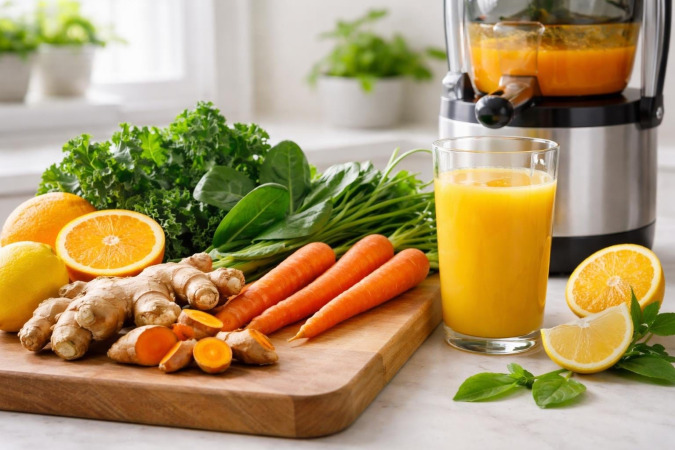
Ginger contains gingerols and shogaols, bioactive compounds that have been extensively studied for their effects on inflammation pathways. You can add fresh ginger root directly to your juicer in small amounts, typically 1-2 inches per serving.
Turmeric provides curcumin, a compound widely researched for its potential anti-inflammatory effects. Fresh turmeric root works well in juices, though you’ll need to add black pepper to enhance absorption. Start with small amounts since turmeric has a strong, earthy flavor.
Fresh parsley and cilantro add more than just flavor to your juices. These herbs contain apigenin and other flavonoids that may support your body’s inflammatory response. They also help balance stronger vegetable flavors in your juice blends.
Juice Recipes Specifically for Inflammation
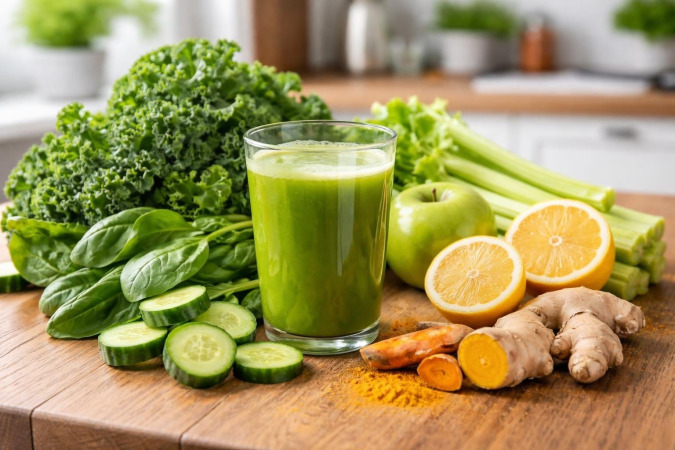
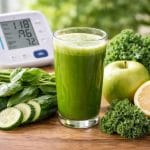
Green Anti-Inflammatory Juice: Combine 2 cups kale, 2 celery stalks, 1 cucumber, 1 green apple, 1-inch ginger, and half a lemon. This blend provides multiple anti-inflammatory compounds while remaining palatable.
Beet and Berry Blend: Mix 1 small beet (with greens), 1 cup mixed berries, 1 apple, 1-inch turmeric root, and a pinch of black pepper. The fruits mask the earthy beet flavor while adding their own beneficial compounds.
Tropical Inflammation Fighter: Juice 2 cups pineapple chunks, 1 cucumber, 1-inch ginger, 2 celery stalks, and fresh mint leaves. The pineapple’s bromelain combines with ginger’s gingerols for a potent anti-inflammatory combination.
Start with smaller portions of strong ingredients like ginger and turmeric, then adjust based on your taste preferences. You can prepare these juices fresh daily or make enough for 24-48 hours if stored properly in airtight containers.
Practical Tips and Precautions for Juicing
Starting a juicing routine requires planning and awareness of how fresh juices interact with your body. Understanding timing, potential reactions, and medical considerations ensures you juice safely and effectively.
How to Incorporate Juicing into a Daily Routine
Begin with small amounts, around 4-8 ounces per day, to allow your digestive system to adjust. You can gradually increase to 12-16 ounces as your body adapts.
The best time to drink anti-inflammatory juice is on an empty stomach, typically first thing in the morning. This allows for optimal nutrient absorption. You can also consume juice 30 minutes before meals or 2 hours after eating.
Prepare fresh juice immediately before drinking when possible, as nutrients degrade quickly once produce is juiced. If you must store juice, keep it in an airtight glass container in the refrigerator for no more than 24-48 hours.
Daily juicing schedule:
Morning: 8 oz anti-inflammatory juice (turmeric, ginger, celery)
Mid-afternoon: 8 oz green juice or vegetable blend
Rotate ingredients throughout the week to ensure varied nutrient intake
Potential Side Effects and Considerations
Fresh juices contain concentrated natural sugars that can spike blood sugar levels quickly. This is particularly important if you have diabetes or insulin resistance. Vegetable-based juices with minimal fruit content help minimize this effect.
Some people experience digestive upset, including bloating, gas, or loose stools when starting a juicing routine. These symptoms typically resolve within a few days as your body adjusts.
Certain ingredients may interact with medications. Grapefruit juice affects how your body processes numerous prescription drugs. Leafy greens high in vitamin K can interfere with blood-thinning medications like warfarin.
Common considerations:
High oxalate vegetables (spinach, beets) may contribute to kidney stones in susceptible individuals
Citrus juices can erode tooth enamel; rinse your mouth with water after drinking
Juicing removes fiber, which can affect blood sugar control and satiety
When to Consult a Healthcare Professional
Speak with your doctor before starting a juicing regimen if you take prescription medications. Many drugs require consistent nutrient intake or can be affected by compounds in fresh juices.
You should seek medical guidance if you have kidney disease, as concentrated potassium and other minerals in juice can be problematic. People with diabetes need professional advice on managing juice consumption and monitoring blood glucose levels.
Contact a healthcare provider if you experience persistent digestive issues, allergic reactions, or unexpected symptoms after juicing. Signs like hives, difficulty breathing, or severe stomach pain require immediate attention.
Those with autoimmune conditions or chronic inflammation should work with a healthcare professional to ensure juicing complements their treatment plan.