Juicing for Headaches: Natural Relief Through Nutrient-Rich Blends
When you buy through links on our site, we may earn an affiliate commission at no additional cost to you (learn more)
Headaches affect millions of people daily, disrupting productivity and quality of life. While medication offers quick relief, many people seek natural alternatives that address underlying causes rather than just masking symptoms.
Fresh vegetable and fruit juices can provide concentrated nutrients that may help reduce headache frequency and severity by addressing nutritional deficiencies, supporting hydration, and reducing inflammation.
Certain vitamins, minerals, and plant compounds found in fresh juices have been studied for their potential to influence the mechanisms behind different types of headaches.
Understanding which ingredients to include in your juices and how to structure your approach makes a significant difference in results. This article explores the nutritional factors that contribute to headaches and provides practical guidance for creating juice combinations that support your body’s natural headache management systems.
Understanding Headaches and the Role of Nutrition
Headaches stem from various causes, and what you eat directly influences their occurrence and intensity. Nutritional deficiencies, dehydration, and specific food compounds can trigger or worsen headache symptoms.
Common Types of Headaches
Tension headaches are the most prevalent type, characterized by a dull, constant pressure around your forehead or back of your head. These often result from stress, poor posture, or muscle tension.
Migraines present as intense, throbbing pain, typically on one side of your head. They can last 4 to 72 hours and may include nausea, vomiting, and sensitivity to light and sound.
Cluster headaches occur in cyclical patterns and cause severe pain around one eye. They’re less common but extremely painful, often waking you from sleep.
Dehydration headaches develop when your body loses more fluid than you consume. Sinus headaches accompany inflammation in your sinus cavities, creating pressure and pain in your forehead, cheeks, and around your eyes.
How Nutrition Affects Headache Frequency
Your blood sugar levels play a significant role in headache development. When you skip meals or eat irregularly, your glucose levels drop, potentially triggering headaches.
Magnesium deficiency is linked to both tension headaches and migraines. Studies show that people who experience frequent migraines often have lower magnesium levels than those who don’t.
Dehydration is a primary nutritional factor in headaches. Your brain tissue contains approximately 73% water, and even mild dehydration can cause headache symptoms.
Consuming adequate fluids throughout the day helps maintain proper brain function and reduces headache risk.
B vitamins, particularly B2 (riboflavin) and B6, support neurological health and energy metabolism. Deficiencies in these vitamins may increase your susceptibility to headaches.
Potential Triggers and Dietary Factors
Certain foods and beverages contain compounds that can initiate headaches in sensitive individuals. Tyramine, found in aged cheeses, cured meats, and fermented foods, is a known migraine trigger.
Histamine-rich foods include alcohol, especially red wine, aged products, and some fish. These can dilate blood vessels and contribute to headache development.
Artificial additives pose risks for some people:
- MSG (monosodium glutamate) in processed foods
- Aspartame and other artificial sweeteners
- Nitrates and nitrites in processed meats
Caffeine has a dual relationship with headaches. Regular consumption followed by sudden withdrawal often causes headaches. However, moderate amounts can actually relieve headache pain for some individuals.
Alcohol dehydrates your body and contains ethanol, which widens blood vessels and may trigger headaches. The sulfites in wine and congeners in dark liquors are particularly problematic for headache-prone individuals.
Juicing for Headache Relief: Key Principles
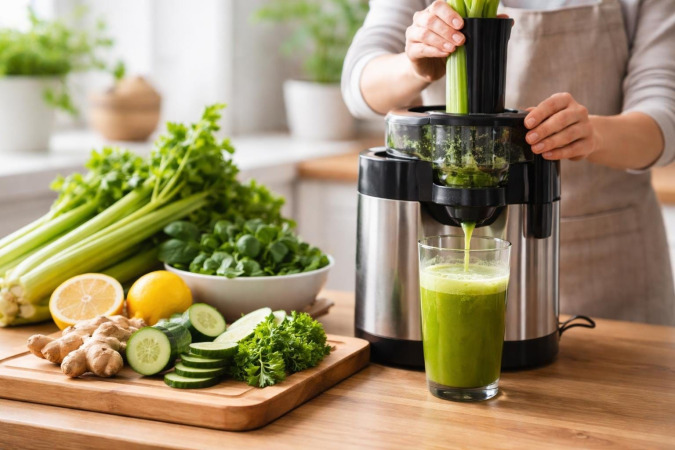
Certain fruits and vegetables contain compounds that may help reduce headache frequency and intensity, while proper hydration plays a critical role in preventing pain.
Understanding which nutrients matter most and how juicing compares to eating whole foods helps you make informed decisions about your approach.
Top Fruits and Vegetables for Headache Relief
Leafy greens like spinach and kale provide magnesium, which may help relax blood vessels and reduce tension headaches. Cucumbers contain high water content and silica, supporting hydration and reducing inflammation.
Celery offers natural sodium and potassium that help maintain electrolyte balance. Ginger has anti-inflammatory properties that may ease migraine symptoms and reduce nausea associated with severe headaches.
Beets contain nitrates that improve blood flow and may lower blood pressure-related headaches. Watermelon provides both hydration and L-citrulline, an amino acid that supports healthy circulation.
Pineapple contains bromelain, an enzyme with anti-inflammatory effects. Carrots supply beta-carotene and other antioxidants that support overall vascular health.
Essential Nutrients Found in Juices
Magnesium helps regulate nerve function and prevents the constriction of blood vessels that can trigger headaches. You’ll find it in leafy greens, beets, and celery.
Riboflavin (Vitamin B2) supports energy production in brain cells and may reduce migraine frequency. Spinach and other dark leafy greens provide this nutrient.
Potassium maintains proper fluid balance and helps prevent dehydration headaches. Celery, cucumbers, and leafy greens are excellent sources.
Water-soluble vitamins like vitamin C from citrus fruits and peppers support blood vessel health. These antioxidants help reduce oxidative stress that can contribute to headache development.
Natural anti-inflammatory compounds found in ginger and turmeric may help reduce pain signals. These bioactive substances work differently than isolated supplements.
Hydration and Its Impact on Headaches
Dehydration causes blood volume to decrease, reducing oxygen flow to the brain and triggering pain receptors.
Even mild fluid loss of 1-2% of body weight can lead to headache symptoms.
Fresh juices provide water along with electrolytes that help your body retain fluids more effectively than plain water alone. The natural sodium and potassium in vegetable juices support proper hydration status.
You should consume juice as part of your total fluid intake rather than as a replacement for water. Aim for juices with higher vegetable content to avoid excessive sugar, which can cause blood sugar fluctuations that trigger headaches in some people.
Juicing Versus Whole Foods
Juicing removes most fiber from fruits and vegetables, allowing for faster nutrient absorption into your bloodstream. This rapid delivery may provide quicker relief when you’re experiencing active headache symptoms.
However, the lack of fiber means juices don’t provide the same satiety or blood sugar stability as whole foods. You’ll absorb nutrients more quickly, but the effects may not last as long.
Whole foods require more digestion time, which can be challenging during severe headaches when nausea is present.
Juices offer an easier way to consume beneficial compounds when eating solid food feels difficult. You can combine both approaches by juicing during acute headache episodes and eating whole fruits and vegetables for prevention.
Crafting Effective Juicing Strategies
Strategic juice combinations and proper preparation methods maximize the potential benefits for headache relief. Understanding which ingredients work together and how to juice safely ensures you get the most from your efforts.
Sample Headache-Relief Juice Recipes
Green Goddess Relief combines 2 cups spinach, 1 cucumber, 2 celery stalks, 1 green apple, and half a lemon. This recipe provides magnesium from spinach and hydrating properties from cucumber. The celery adds natural sodium to support electrolyte balance.
Ginger-Carrot Soother uses 4 medium carrots, 1-inch fresh ginger root, 1 orange, and half a lemon. Carrots deliver beta-carotene while ginger provides anti-inflammatory compounds. The citrus fruits add vitamin C and natural sweetness.
Berry Beetroot Blend requires 1 small beetroot, 1 cup mixed berries, 1 apple, and 1-inch ginger. Beetroot contains nitrates that may support blood flow. Berries offer antioxidants that combat oxidative stress.
Start with 8-12 ounces per serving. You can adjust quantities based on your taste preferences and tolerance.
Best Practices for Safe Juicing
Wash all produce thoroughly under running water before juicing, even organic items. Remove any damaged or bruised portions to minimize bacterial contamination.
Consume fresh juice within 15-20 minutes of preparation to maximize nutrient retention. Oxidation begins immediately after juicing, degrading vitamin content and beneficial enzymes.
Store your juicer properly by disassembling and cleaning all parts immediately after use. Bacteria multiply rapidly in juice residue left on equipment.
Balance fruit content with vegetables to manage sugar intake. A ratio of 80% vegetables to 20% fruit works well for most people. Too much fruit can cause blood sugar spikes that may trigger headaches in some individuals.
When to Seek Medical Advice
Consult your doctor if headaches occur more than twice weekly or interfere with daily activities.
Seek immediate medical attention for sudden, severe headaches unlike any you’ve experienced before, especially if accompanied by vision changes, confusion, difficulty speaking, or neck stiffness.
Inform your healthcare provider before starting a juicing regimen if you take medications. Some juice ingredients interact with blood thinners, blood pressure medications, and other prescriptions.