Juicing for Blood Pressure — Natural Heart Support
Table of Contents
When you buy through links on our site, we may earn an affiliate commission at no additional cost to you (learn more)
High blood pressure affects millions of people worldwide, and many are turning to natural approaches to help manage their numbers. Juicing has emerged as a popular method, with fresh fruit and vegetable juices offering concentrated nutrients that may support cardiovascular health.
Fresh juices made from specific fruits and vegetables can help lower blood pressure through compounds like nitrates, potassium, and antioxidants that support healthy blood vessel function. The key is knowing which ingredients to use and how to incorporate juicing into your overall health strategy.
This guide will walk you through the science behind juicing’s effects on blood pressure, the most effective juice combinations, and important safety considerations you need to know before starting. You’ll learn which ingredients provide the most benefit and how to make juicing work alongside your current treatment plan.
How Juicing Affects Blood Pressure
Fresh juices contain specific compounds that interact with your cardiovascular system through multiple pathways. The concentration of certain minerals and plant compounds in juices can influence vascular function and sodium balance in your body.
Nutrients in Juice That Support Healthy Blood Pressure
Potassium is the most significant mineral in juices for blood pressure regulation. This electrolyte helps your kidneys excrete excess sodium and reduces tension in your blood vessel walls. Beet juice, orange juice, and carrot juice provide 200-600 mg of potassium per cup.
Nitrates from vegetables convert to nitric oxide in your body. Nitric oxide relaxes and dilates your blood vessels, which lowers the pressure against arterial walls. Beet and celery juices contain the highest concentrations of dietary nitrates.
Magnesium supports hundreds of biochemical reactions that affect blood pressure. It helps regulate your heartbeat and promotes vasodilation. Leafy green juices and those containing spinach or kale deliver 20-40 mg per serving.
Vitamin C acts as an antioxidant and may improve endothelial function. Your endothelium is the inner lining of blood vessels that controls constriction and dilation. Citrus juices provide 50-100 mg per cup.
Mechanisms Linking Juicing and Hypertension Management
The nitrate pathway represents the primary mechanism through which juices affect your blood pressure. When you consume nitrate-rich juices, bacteria in your mouth convert nitrates to nitrites. Your stomach and blood vessels then convert these nitrites into nitric oxide, which signals your smooth muscle cells to relax.
Potassium works by changing the sodium-potassium balance in your cells. When you increase potassium intake through juicing, your kidneys eliminate more sodium through urine. This reduces blood volume and decreases the workload on your heart.
The antioxidants in fresh juices reduce oxidative stress in your blood vessels. Oxidative stress damages endothelial cells and contributes to arterial stiffness. Polyphenols and flavonoids in fruit and vegetable juices neutralize free radicals that cause this damage.
Scientific Evidence on Juicing for Blood Pressure Control
A meta-analysis of 22 studies found that beetroot juice consumption reduced systolic blood pressure by 4.4 mmHg and diastolic pressure by 1.1 mmHg. The effects appeared within 24 hours and lasted up to two weeks with regular intake.
Research on pomegranate juice showed reductions of 5-21% in systolic blood pressure after 12 weeks of daily consumption. The study participants consumed 50-240 ml per day without changing other dietary habits.
Studies examining mixed vegetable juices demonstrated decreases of 6-8 mmHg in systolic pressure over 8-12 week periods. These juices typically combined tomatoes, carrots, celery, and leafy greens. The results were more pronounced in individuals with prehypertension or stage 1 hypertension.
Orange juice studies showed mixed results, with some trials finding modest reductions of 2-3 mmHg while others showed no significant effect. The variations likely relate to sugar content and individual metabolic responses.
Best Juices and Ingredients for Blood Pressure
Certain fruits and vegetables contain compounds that naturally support healthy blood pressure levels, particularly those rich in potassium, nitrates, and antioxidants. The most effective juice recipes combine these ingredients in specific ratios to maximize their cardiovascular benefits.
Top Fruits and Vegetables for Blood Pressure
Beetroot stands out as one of the most researched ingredients for blood pressure management. It contains dietary nitrates that your body converts into nitric oxide, which helps relax blood vessels. Studies show that consuming beetroot juice can reduce systolic blood pressure by 4-10 mmHg.
Leafy greens like spinach, kale, and Swiss chard provide similar nitrate benefits along with potassium and magnesium. These minerals help balance sodium levels in your body and reduce tension in blood vessel walls.
Celery contains phthalides, compounds that may help relax arterial walls and improve blood flow. Pomegranate juice offers polyphenols and antioxidants that protect blood vessels from damage.
Citrus fruits, particularly oranges and grapefruits, deliver vitamin C and hesperidin, a flavonoid linked to improved blood vessel function. Berries provide anthocyanins that support arterial health.
Recommended Juice Recipes for Hypertension
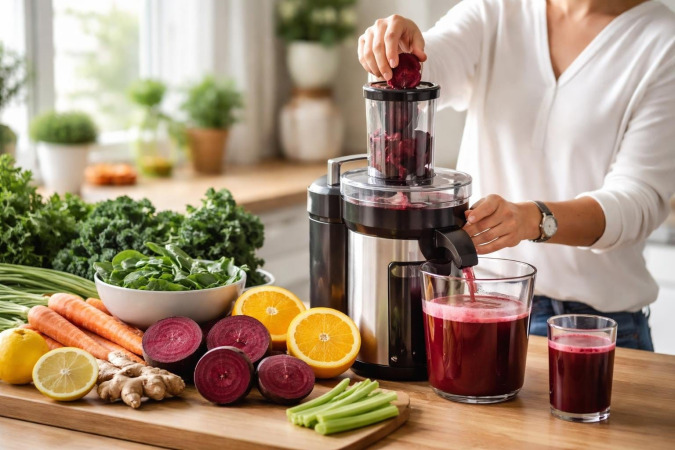
Beetroot-Celery Blend: Combine 2 medium beets, 4 celery stalks, 1 apple, and half a lemon. This mixture provides nitrates from beets and phthalides from celery.
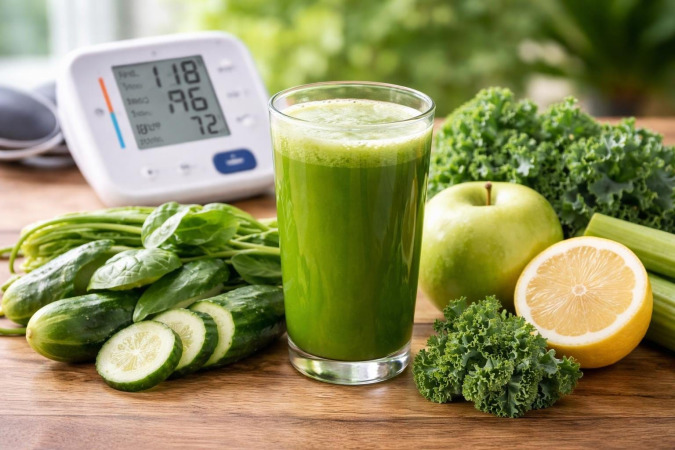
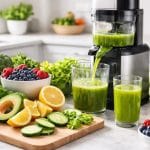
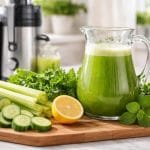
Green Power Juice: Mix 2 cups spinach, 1 cucumber, 2 celery stalks, 1 green apple, and fresh ginger. The potassium content helps counteract sodium’s effects.
Berry-Pomegranate Mix: Blend 1 cup pomegranate seeds, 1 cup mixed berries, 1 orange, and 1 carrot. This recipe delivers concentrated antioxidants and vitamin C.
Tropical Pressure Support: Combine 1 cup watermelon, 1 cup pineapple, 2 celery stalks, and fresh mint. Watermelon contains citrulline, which converts to arginine and supports nitric oxide production.
You should consume these juices fresh, as nutrient content degrades within 15-20 minutes of juicing.
Tips for Combining Ingredients Effectively
Balance sweet fruits with vegetables to manage sugar content while maintaining palatability. A ratio of 60% vegetables to 40% fruits works well for most people managing blood pressure.
Add lemon or lime to any juice recipe to enhance flavor without increasing sodium. These citrus additions also improve iron absorption from leafy greens.
Include a small piece of fresh ginger or turmeric root for anti-inflammatory benefits. Start with a quarter-inch piece and adjust based on your taste preferences.
Avoid adding salt or high-sodium ingredients to your juices. If you take blood pressure medication, consult your doctor before regularly consuming grapefruit juice, as it can interfere with certain drugs.
Drink juices immediately after preparation or store them in airtight glass containers for no more than 24 hours. Keep refrigerated to preserve nutrients and prevent bacterial growth.
Juicing Safety and Lifestyle Considerations
While juicing offers potential benefits for blood pressure management, certain risks and interactions require attention. Medical supervision becomes essential when combining juices with medications or existing health conditions.
Potential Risks of Juicing for Blood Pressure
Juicing can lead to rapid blood sugar spikes, particularly when you consume fruit-heavy blends without fiber. This poses risks if you have diabetes or insulin resistance alongside high blood pressure.
Excessive potassium intake from certain juices may stress your kidneys, especially if you have existing kidney disease. Beet juice, spinach juice, and other high-potassium options require moderation if your kidney function is compromised.
Overconsumption of juice can contribute to:
Calorie excess leading to weight gain
Nutrient imbalances from replacing whole foods
Tooth enamel erosion from acidic juices
Digestive issues including diarrhea
You should limit juice intake to 8-12 ounces daily and maintain it as a supplement to whole foods rather than a meal replacement.
Interactions With Medications and Medical Conditions
Grapefruit juice interferes with blood pressure medications including calcium channel blockers like amlodipine and felodipine. This interaction can cause dangerously low blood pressure or amplified side effects.
Leafy green juices high in vitamin K may reduce the effectiveness of blood thinners like warfarin. If you take anticoagulants, you must maintain consistent vitamin K intake and inform your doctor about juicing habits.
Beet juice can interact with medications for erectile dysfunction or chest pain, potentially causing unsafe blood pressure drops. You need at least 24 hours between consuming beet juice and taking these medications.
Consult your healthcare provider before starting a juicing routine if you take any blood pressure medications, diuretics, or have conditions affecting your kidneys, liver, or blood sugar regulation.
Integrating Juicing Into a Heart-Healthy Lifestyle
Juicing works best when combined with proven blood pressure management strategies rather than used as a standalone treatment. Pair juicing with the DASH diet principles, emphasizing whole grains, lean proteins, and limited sodium intake.
Physical activity remains critical for blood pressure control. Aim for 150 minutes of moderate exercise weekly alongside your juicing routine.
Consider this integration approach:
Time of Day
Activity
Juice Type
Morning
Before breakfast
Beet-carrot blend (8 oz)
Afternoon
Post-workout
Celery-cucumber (6 oz)
Evening
With dinner
Skip juice, eat whole vegetables
Monitor your blood pressure regularly at home to track how juicing affects your readings. Keep a log noting which juices you consume and corresponding blood pressure measurements taken 2-3 hours afterward.
Continue prescribed medications as directed, treating juice as a complementary approach. Weight management, stress reduction, and adequate sleep contribute to blood pressure control and should not be neglected.