Superfoods for Stress Relief: 10 Delicious Choices
Table of Contents
When you buy through links on our site, we may earn an affiliate commission at no additional cost to you (learn more)
Chronic stress affects sleep, digestion, immunity, and mood. Certain whole foods supply nutrients that support brain chemistry, calm inflammation, and help the body cope with stress.
Below are ten science-backed choices and simple ways to use them in your daily meals. Each entry explains why the food helps and gives an easy tip for adding it to your plate.
Leafy Greens
Kale, spinach, and broccoli provide folate, magnesium, vitamin K, and other micronutrients used in producing mood-related neurotransmitters.
Studies suggest folate supports dopamine production, which can help regulate mood. Magnesium is known for muscle relaxation and calmer nervous system signaling.
Tip: Add a handful of baby spinach to smoothies or toss mixed greens into soups and stir-fries.
Nuts and Seeds
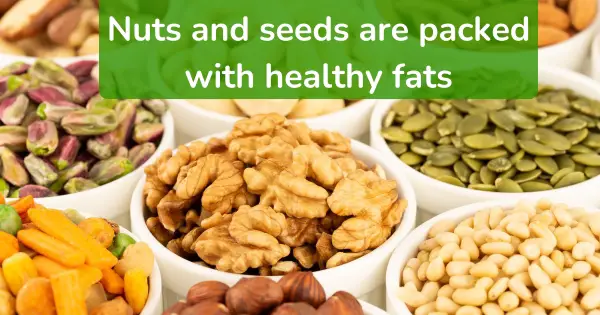
Almonds, walnuts, chia, and flax seeds provide healthy fats, protein, fiber, and magnesium. These nutrients slow blood sugar swings and support brain health.
Magnesium in many nuts and seeds has been associated with reduced anxiety in several studies, though effects vary by individual.
Tip: Sprinkle chia or flax on yogurt or oatmeal. Keep a small bag of mixed nuts for a portable snack.
Blueberries
Blueberries are rich in antioxidants called flavonoids that help protect neurons from oxidative stress and support memory and mood.
Research suggests regular intake of berries is linked to lower markers of inflammation and may support cognitive resilience under stress.
Tip: Add blueberries to smoothies, cereal, or a salad for a sweet, nutrient-dense boost.
Dark Chocolate
High-cocoa dark chocolate contains flavonoids and small amounts of magnesium. These compounds can improve blood flow and positively influence mood when consumed in moderation.
Choose chocolate with at least 70 percent cacao and limit portions to about one ounce per day to avoid excess calories and sugar.
Tip: Pair a small piece of dark chocolate with a handful of nuts for a balanced treat.
Oily Fish
Wild-caught salmon, mackerel, and sardines are high in omega-3 fatty acids, especially EPA and DHA. These fats support brain cell membranes and help regulate inflammation.
Clinical studies indicate omega-3 supplementation can reduce symptoms of anxiety and depression in some people, particularly when baseline intake is low.
Tip: Aim for two servings of oily fish per week or include canned sardines or salmon on salads for convenience.
High-Quality Proteins
Lean poultry, tofu, legumes, and seafood provide amino acids needed to build neurotransmitters such as serotonin and dopamine.
Eating adequate protein at meals helps stabilize blood sugar and supports steady energy and mood throughout the day.
Tip: Include a portion of protein at every meal. Try hard-boiled eggs for quick breakfasts or chickpea salads for lunch.
Chamomile Tea
Chamomile contains plant compounds that act on the nervous system to produce calming effects. Small clinical trials show chamomile can reduce anxiety symptoms and improve sleep quality for some people.
Tip: Enjoy a cup of chamomile tea in the evening as part of a screen-free wind-down routine.
Avocado
Avocado provides monounsaturated fats, potassium, fiber, and B vitamins. These nutrients support heart health and steady energy levels.
Potassium helps the body manage blood pressure during stress. The healthy fats in avocado also support brain structure and function.
Tip: Mash avocado on whole-grain toast or add slices to a grain bowl for extra satiety.
Turmeric contains curcumin, a compound with antioxidant and anti-inflammatory effects. Some studies suggest curcumin may help reduce symptoms of anxiety and depression when used alongside other treatments.
Curcumin is poorly absorbed on its own. Consuming it with black pepper (which contains piperine) and a source of fat improves absorption.
Tip: Stir turmeric and a pinch of black pepper into soups, stews, or smoothies with a splash of oil or milk.
Fermented Foods
Kimchi, sauerkraut, kefir, and yogurt contain beneficial bacteria that support the gut microbiome. Emerging research links gut health to mood through the gut-brain connection.
Studies suggest certain probiotic strains can modestly reduce anxiety and improve stress resilience, although effects depend on the strain and dose.
Tip: Add a serving of fermented food a few times per week. Choose unsweetened yogurt or kefir to avoid added sugars.
Practical Tips for Using These Foods
Consistency matters. Small, regular changes in diet have more reliable effects than occasional “superfood” binges.
Balance meals with protein, fiber, and healthy fats to stabilize blood sugar and mood.
If you take medications or have health conditions, check with a healthcare provider before making major dietary changes or adding concentrated supplements.
Safety and Evidence
These foods support stress resilience but are not a substitute for medical care when anxiety or depression are severe. Research shows dietary patterns interact with genetics, lifestyle, and sleep to influence mental health.
If symptoms persist or worsen, seek care from a qualified mental health professional or primary care provider.