5 Evidence-Based Health Benefits of Turmeric (How to Use It Safely)

When you buy through links on our site, we may earn an affiliate commission at no additional cost to you (learn more)
Turmeric is a bright yellow spice used for thousands of years in Asian cooking and traditional medicine. Its active compound, curcumin, is known for anti-inflammatory and antioxidant effects. Studies suggest curcumin is responsible for many of turmeric’s health benefits, but turmeric also contains other helpful plant compounds.
1. Reduces inflammation and eases joint pain
Curcumin can block molecules that drive inflammation in the body. Clinical trials suggest curcumin supplements can reduce pain and improve mobility in people with osteoarthritis and may help with other inflammatory conditions.
Effects are usually modest and take weeks to appear. Turmeric in food contains lower curcumin levels than concentrated supplements, so results differ depending on the dose.
2. Acts as an antioxidant
Curcumin helps neutralize free radicals, unstable molecules that can damage cells. It also boosts the body’s own antioxidant enzymes, which helps protect cells from oxidative stress linked to aging and chronic disease.
Adding turmeric to meals can contribute to antioxidant intake, but therapeutic antioxidant effects usually need higher, supplemental doses of curcumin.
3. Supports digestion
Turmeric stimulates bile production in the liver. Bile helps break down fats and absorb fat-soluble nutrients. For some people, this can ease bloating and indigestion.
People with gallbladder disease should talk with a clinician before using turmeric regularly, because increased bile flow can cause problems in some cases.
4. May help heart health
Inflammation and oxidative stress play a role in heart disease. Studies suggest curcumin can improve several markers linked to heart health, including blood vessel function and inflammation levels.
More research is needed to show clear effects on heart disease outcomes, but curcumin is a promising natural compound for supporting cardiovascular risk factors.
5. Supports brain health
Curcumin can cross the blood-brain barrier, which means it can reach brain tissue. Research shows curcumin has neuroprotective properties and may support memory and mood in some people.
Early clinical trials report small improvements in memory and mood with curcumin supplementation. Larger, longer studies are needed to confirm benefits for preventing neurodegenerative diseases.
How turmeric and curcumin differ
Turmeric is the whole spice or root. Curcumin is one active compound inside turmeric. Most research uses concentrated curcumin extracts, not the spice used in cooking.
That means culinary turmeric gives health support over time as part of a varied diet, while supplements provide higher curcumin doses for targeted effects.
Improving absorption: what studies suggest
Curcumin is poorly absorbed on its own. Research shows two simple ways to improve absorption.
- Combine with black pepper. Piperine, a compound in black pepper, can increase curcumin absorption dramatically.
- Take with fat. Curcumin dissolves in fat, so consuming turmeric with oil or a fatty meal helps it enter the body.
Safe use and precautions
Turmeric is safe for most people when used as a spice. Supplements deliver higher curcumin doses and have stronger effects and risks.
Talk with a healthcare provider before taking curcumin supplements if you are pregnant, breastfeeding, have gallbladder disease, bile duct obstruction, or are on blood thinners such as warfarin or antiplatelet drugs.
High-dose curcumin can cause stomach upset, nausea, or diarrhea in some people. Start with a low dose and increase slowly if you try a supplement.
Practical ways to use turmeric
Use culinary turmeric daily to add flavor and modest health support. Here are simple options.
- Add 1 teaspoon to soups, stews, or curries while cooking.
- Mix fresh or powdered turmeric into smoothies with a source of fat like yogurt, milk, or nut butter.
- Make golden milk: warm milk or plant milk with 1/2 to 1 teaspoon turmeric, a pinch of black pepper, and a small amount of sweetener.
When to consider supplements
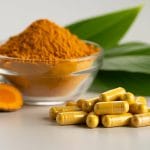
Consider a standardized curcumin supplement for targeted support, for example, to ease osteoarthritis symptoms. Look for products that include piperine or are formulated for enhanced absorption.
Typical supplement doses used in studies range from 500 mg to 2,000 mg of curcumin per day, often divided into two doses. Follow label instructions and consult a clinician first.
Bottom line
Turmeric is a flavorful spice with well-studied compounds like curcumin that have anti-inflammatory and antioxidant effects. Using turmeric in food is safe and contributes to a healthy diet. For stronger, therapeutic effects, standardized curcumin supplements with proven absorption methods are used in clinical studies.
Before starting any new supplement, especially at high doses, get medical advice if you have health conditions or take prescription drugs.
Sources: UCLA, Hopkins Medicine, Healthline