Passion Flower Tea Benefits: Science-Backed Calm in Every Sip
Table of Contents
When you buy through links on our site, we may earn an affiliate commission at no additional cost to you (learn more)
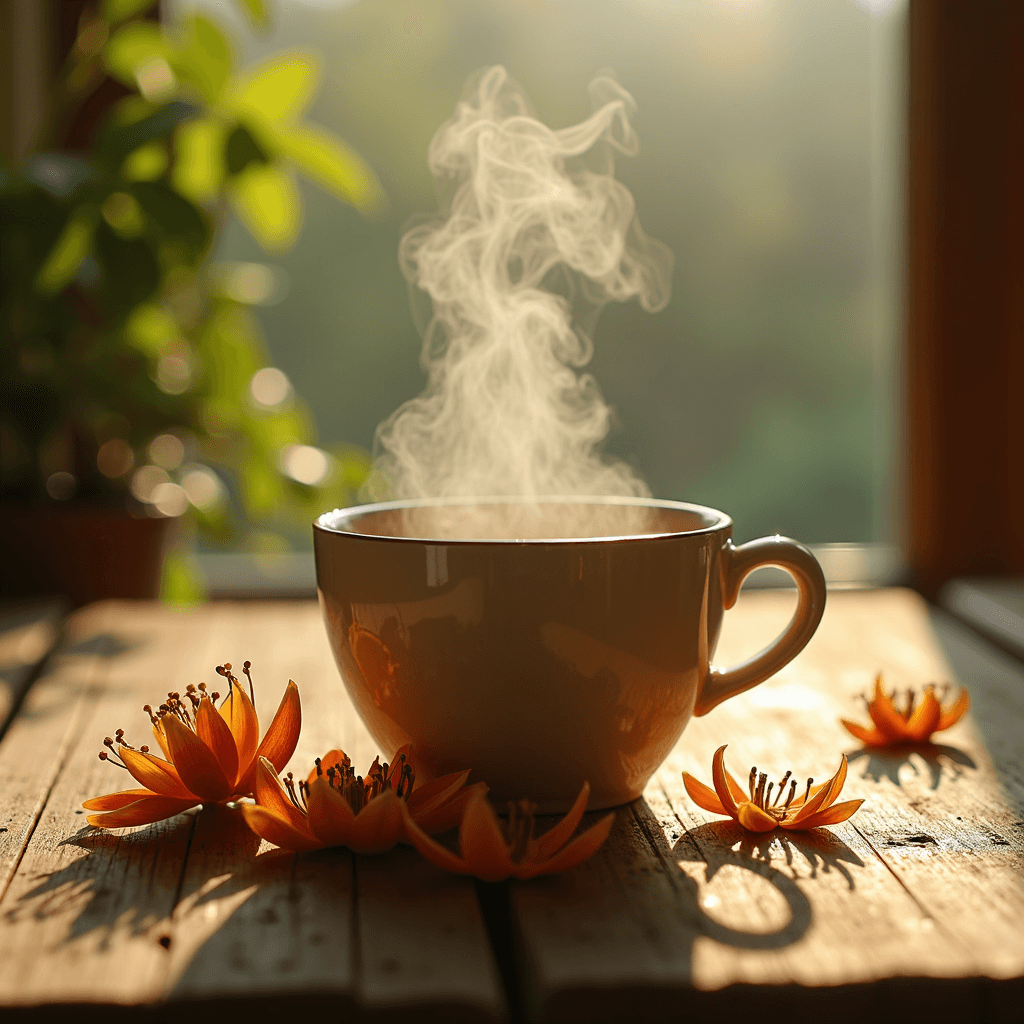
Imagine unwinding after a demanding day with a cup of tea that doesn’t just taste delightfully floral—it actually helps calm your nervous system at the cellular level. Passion flower tea, brewed from the climbing vine Passiflora incarnata, offers more than just a moment of tranquility. This botanical ally works through specific compounds that interact with your brain’s GABA receptors, the same pathways targeted by anti-anxiety medications, but through nature’s gentler approach.
The Science Behind Passion Flower’s Calming Powers
Passion flower’s therapeutic effects stem from its unique blend of bioactive compounds, particularly vitexin, isovitexin, and chrysin—flavonoids that researchers have identified as the primary drivers of its anxiolytic properties. These compounds work by modulating gamma-aminobutyric acid (GABA) activity in the brain, essentially helping to slow down overactive neural firing that contributes to anxiety and restlessness.
A groundbreaking 2001 double-blind study published in the Journal of Clinical Pharmacy and Therapeutics demonstrated that passion flower extract was as effective as oxazepam (a prescription anti-anxiety medication) in treating generalized anxiety disorder, but with significantly fewer side effects. The participants taking passion flower experienced reduced job-related anxiety without the drowsiness and impaired job performance associated with pharmaceutical alternatives.
The mechanism involves passion flower’s ability to bind to GABA receptors, particularly the GABA-A receptor subtype. When these receptors are activated, they create an inhibitory effect on the central nervous system, naturally promoting relaxation and reducing the physical symptoms of stress like muscle tension and rapid heart rate.
Sleep Quality Enhancement
Beyond anxiety relief, passion flower tea demonstrates remarkable benefits for sleep architecture—the natural progression through different sleep stages that determines how rested we feel upon waking. The same GABA-enhancing properties that calm daytime anxiety also help regulate circadian rhythms by supporting the transition from active beta brain waves to the slower alpha and theta waves associated with deep, restorative sleep.
Research published in Phytotherapy Research found that participants who consumed passion flower tea before bedtime experienced a 5% improvement in sleep quality compared to placebo, with particular improvements in sleep latency (time to fall asleep) and reduced nighttime awakenings. The study noted that unlike synthetic sleep aids, passion flower didn’t create dependency or morning grogginess.
Top Health Benefits of Passion Flower Tea
Natural Anxiety and Stress Relief
Passion flower tea offers a scientifically-backed approach to managing daily stress without the side effects of pharmaceutical interventions. The vitexin content specifically targets cortisol regulation, helping to normalize your body’s stress response rather than simply masking symptoms. Regular consumption can help break the cycle of chronic stress that leads to inflammation and weakened immunity.
Clinical studies suggest that the optimal therapeutic window occurs when consuming passion flower tea 30-45 minutes before anticipated stressful situations or as part of an evening wind-down routine. The effects typically begin within 30 minutes and can last 4-6 hours.
Menstrual and Menopausal Support
The antispasmodic properties of passion flower’s alkaloids, particularly harman and harmaline, make it particularly effective for alleviating menstrual cramps and PMS-related mood swings. These compounds help relax smooth muscle tissue in the reproductive system while simultaneously addressing the hormonal anxiety that often accompanies menstrual cycles.
For women experiencing menopausal symptoms, passion flower tea can provide relief from hot flashes and night sweats by supporting the autonomic nervous system’s temperature regulation mechanisms. The flavonoids also offer mild estrogenic effects that can help ease the transition during perimenopause.
Digestive Harmony
The gut-brain axis means that digestive health and mental well-being are intimately connected through the vagus nerve and neurotransmitter production. Passion flower’s muscle-relaxing properties extend to the digestive tract, where they can help alleviate stress-induced digestive issues like irritable bowel syndrome (IBS) and acid reflux.
The tea’s mild bitter compounds also stimulate digestive enzyme production, improving nutrient absorption and reducing bloating after meals. This makes passion flower tea an excellent choice for anyone whose digestive issues are exacerbated by stress or anxiety.
How to Maximize Passion Flower Tea Benefits
Optimal Brewing Method
To extract the maximum therapeutic compounds from passion flower, use water heated to 195-205°F (just below boiling) and steep for 8-10 minutes—longer than most herbal teas. This extended steeping time is crucial because the beneficial flavonoids are heat-stable but require time to fully extract from the plant material.
Use 1 tablespoon of dried passion flower per cup of water, or 2 tablespoons of fresh leaves if available. Cover the cup while steeping to prevent the volatile compounds from escaping with the steam.
Timing and Dosage Guidelines
Purpose
Timing
Daily Frequency
Anxiety Relief
30 minutes before stressful events
2-3 cups
Sleep Support
1 hour before bedtime
1 cup
Digestive Support
30 minutes after meals
1-2 cups
Menstrual Relief
Throughout cycle as needed
2-4 cups
Synergistic Combinations
Passion flower tea blends beautifully with other calming herbs that complement its GABA-enhancing effects. Chamomile adds additional anxiety-relieving compounds called apigenin, while lemon balm contributes rosmarinic acid that supports neurotransmitter balance. For sleep support, combining passion flower with valerian root creates a more potent sedative effect.
Adding a teaspoon of raw honey not only improves taste but provides tryptophan, the amino acid precursor to serotonin and melatonin, further enhancing the tea’s mood-supporting and sleep-promoting benefits.
Safety Considerations and Quality Selection
Choosing High-Quality Passion Flower
Look for organic, third-party tested passion flower from reputable suppliers who provide certificates of analysis showing flavonoid content. The leaves should be vibrant green without brown spots or musty odors, which indicate oxidation that degrades the active compounds.
Avoid products that don’t specify the plant species—you want Passiflora incarnata specifically, as other passion flower species may have different therapeutic profiles or safety considerations.
Important Interactions
While generally safe for most people, passion flower can enhance the effects of sedative medications, including benzodiazepines, sleep aids, and some antidepressants. If you’re taking any medications that affect the central nervous system, consult with your healthcare provider before adding passion flower tea to your routine.
Pregnant and breastfeeding women should avoid passion flower tea, as its effects on developing fetuses and infants haven’t been thoroughly studied. The herb’s muscle-relaxing properties could theoretically affect uterine tone.
The NutriGuide Pro-Tip
Create your own “Calm Evening Ritual” by brewing a pot of passion flower tea 90 minutes before bed, then sipping it slowly while dimming the lights and avoiding screens. This timing allows the GABA-enhancing effects to peak just as your natural melatonin production begins, creating a synergistic effect that promotes deeper, more restorative sleep without morning drowsiness.
For even greater benefits, try our “Progressive Relaxation Method”: Start with half a cup 60 minutes before bed, then finish the remainder 30 minutes later. This staged approach helps ease your nervous system into relaxation mode gradually, making the transition to sleep feel more natural and sustainable than sudden sedation.
Remember, passion flower tea works best as part of a holistic approach to stress management that includes regular movement, mindful breathing, and consistent sleep hygiene. The tea provides the physiological support, but combining it with these lifestyle practices creates the foundation for lasting calm and improved well-being.