Wild Yam for Women: Nature’s Hormone-Balancing Root
Table of Contents
When you buy through links on our site, we may earn an affiliate commission at no additional cost to you (learn more)
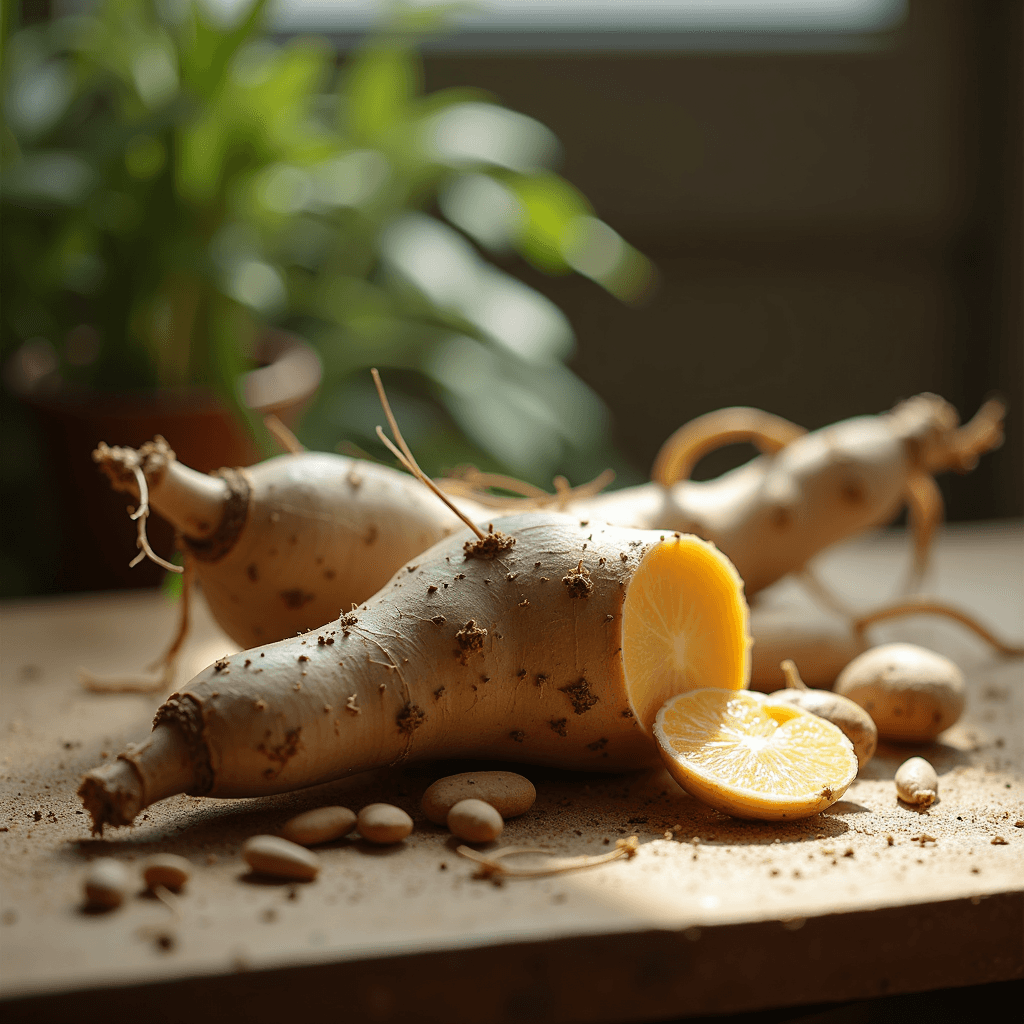
Wild yam has quietly become one of the most talked-about botanical remedies in women’s wellness circles—and for good reason. Unlike the orange tubers we roast on Thanksgiving, wild yam (Dioscorea villosa) is a climbing vine native to North America that contains compounds uniquely suited to supporting women’s hormonal health. If you’re exploring natural ways to navigate hormonal shifts, manage energy levels, or support menstrual wellness, understanding wild yam’s benefits can help you make informed choices about your nutrition and supplemental routine.
The Science Behind Wild Yam’s Hormone-Supporting Properties
The key to wild yam’s effectiveness lies in a compound called diosgenin, a plant sterol found abundantly in the root. Here’s why this matters: diosgenin structurally mimics the body’s natural hormone precursors, which means it can interact with estrogen and progesterone pathways in ways that other plants simply cannot.
Diosgenin works through a mechanism called “phytoprogestin” action. When consumed, these compounds bind to progesterone receptors throughout the body—particularly in the uterus, breast tissue, and brain. This is why women often report smoother transitions through hormonal phases when incorporating wild yam into their routines. The root isn’t literally creating hormones; rather, it’s giving your body’s natural hormone-producing systems better nutritional support to do their job.
Beyond diosgenin, wild yam contains several supporting compounds:
Saponins: Plant compounds that reduce inflammation and may ease muscle tension associated with hormonal cycles
Allantoin: A tissue-healing agent that supports the integrity of the reproductive system
Beta-sitosterol: A plant sterol that modulates inflammatory responses and supports overall hormonal balance
Wild Yam and the Menstrual Cycle
Many women use wild yam to ease menstrual discomfort. The mechanism here is straightforward: progesterone naturally reduces uterine muscle contractions that cause cramping. By supporting progesterone receptors, wild yam helps your body regulate these contractions more smoothly. Additionally, the anti-inflammatory saponins in the root can reduce the release of prostaglandins—the hormone-like substances that trigger cramping pain.
Studies have shown that women who consistently use wild yam supplements report a noticeable reduction in menstrual discomfort within 2–3 cycles. The timing matters: starting supplementation in the luteal phase (after ovulation) appears most effective, as this is when progesterone naturally peaks.
Supporting Hormonal Transitions: Perimenopause and Beyond
The perimenopause years—typically spanning 5–10 years before your final menstrual period—can feel chaotic. Fluctuating estrogen and progesterone levels create unpredictable hot flashes, mood shifts, and sleep disruptions. Wild yam cannot replace the hormones your body is naturally producing less of, but it can stabilize the existing hormone receptors you do have.
Think of wild yam as a receptor optimizer rather than a hormone replacer. By keeping progesterone pathways active and responsive, the root helps minimize the gap between “high hormone days” and “low hormone days”—smoothing the ride through perimenopause. Many women report that combining wild yam with lifestyle practices like consistent sleep and regular movement creates the most noticeable benefits.
Other Health Benefits for Women
Mood and Cognitive Support
Progesterone receptors are abundant in the brain, particularly in regions that regulate mood and anxiety. By supporting these pathways, wild yam may help stabilize emotional resilience throughout the month. Some women notice improvements in focus and mental clarity in the days after starting wild yam supplementation.
Bone Health
Progesterone plays a critical (and often overlooked) role in bone density, working alongside estrogen to maintain bone mineral content. As progesterone naturally declines with age, bone loss can accelerate. Supporting progesterone receptors with wild yam may help slow this process, especially when paired with adequate calcium and weight-bearing exercise.
Wild yam’s saponins have mild cardiovascular benefits, including gentle cholesterol modulation and blood vessel relaxation. For women in their perimenopausal and menopausal years, when cardiovascular risk naturally increases, these properties add another layer of wellness support.
How to Use Wild Yam: Forms and Dosing
Form
Typical Dose
Best For
Notes
Dried Root (Tea)
1–2 teaspoons per cup, 2–3 times daily
Gentle, ongoing support
Mild flavor; easiest to customize timing
Tincture (1:5)
30–60 drops in water, 2–3 times daily
Faster absorption; convenient
Alcohol-based; alcohol-free options available
Capsules (Standardized Extract)
400–500 mg diosgenin per serving, 1–2 daily
Precise dosing; easy tracking
Look for 10:1 extracts for potency
Cream (Topical)
¼ teaspoon 2–3 times daily on thin skin
Localized support; mild effects
Absorption is inconsistent; best paired with internal use
Timing tip: For menstrual support, begin in your luteal phase (roughly day 15 onward of a 28-day cycle). For perimenopausal support, consistent daily use shows better results than sporadic use.
Quality and Source Matter
Not all wild yam products are created equal. The diosgenin content varies dramatically depending on the plant species, growing conditions, and harvest time. Here’s what to look for:
Species confirmation: Ensure the label specifies Dioscorea villosa, not other Dioscorea species with lower diosgenin content
Standardized extracts: Look for products standardized to a minimum of 10–15% diosgenin
Third-party testing: Reputable brands test for both diosgenin concentration and purity
Use caution or consult a practitioner if you: Are pregnant or nursing, have a history of hormone-sensitive cancers (breast, ovarian), are taking hormone replacement therapy, or have blood clotting disorders.
Wild yam is not a replacement for medical care, especially if you’re experiencing severe hormonal symptoms or sudden changes. Think of it as nutritional support that works best when paired with stable sleep, movement, stress management, and a nutrient-dense diet.
Pairing Wild Yam with Complementary Practices
Wild yam’s benefits amplify when combined with other supportive habits. Here’s what works:
Magnesium-rich foods: Pumpkin seeds, dark leafy greens, and dark chocolate support the nervous system during hormonal shifts
Regular movement: Strength training and walking help stabilize hormone receptors and improve mood
Consistent sleep schedule: Progesterone production is intimately tied to circadian rhythm; irregular sleep undermines wild yam’s benefits
Cycle syncing nutrition: Pairing wild yam with higher-magnesium foods in your luteal phase maximizes anti-inflammatory effects
The NutriGuide Pro-Tip
Start small and track your experience. Many women begin with wild yam tea rather than jumping to high-dose capsules—this allows you to notice subtle shifts in energy, mood, and comfort without overwhelming your system. Keep a simple log: When did you start? How did your cycle feel? Did mood or energy shift? After 2–3 cycles, you’ll have real data to guide whether continued use makes sense for your body. Wild yam works best as part of a long-term wellness approach, not a quick fix. Give it time, stay consistent, and let your body’s natural wisdom guide you.