Okra Water for Women: What the Science Actually Says
Table of Contents
When you buy through links on our site, we may earn an affiliate commission at no additional cost to you (learn more)
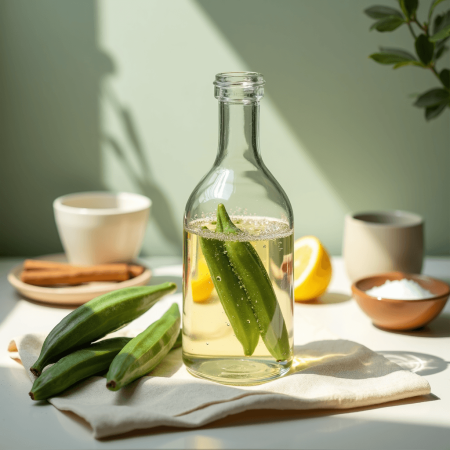
Okra water—the nutrient-rich liquid steeped from sliced okra overnight—has become a quiet wellness phenomenon, especially among women seeking natural ways to support hormonal health, blood sugar balance, and overall vitality. But beyond the social media buzz, there’s genuine nutrition science behind why women’s health practitioners and registered dietitians are talking about this humble vegetable drink.
The Science Behind Okra Water
Okra contains bioactive compounds that dissolve into water during steeping, releasing benefits that directly support women’s health priorities. The key players are mucilage (a soluble fiber that feeds beneficial gut bacteria), polyphenols (powerful antioxidants), and specialized plant compounds that interact with our metabolic and hormonal systems.
When okra sits in water overnight, the mucilage creates a slightly viscous liquid—this isn’t unappealing texture, it’s a sign the beneficial compounds are present. The mucilage itself acts as a prebiotic, feeding the lactobacilli and bifidobacteria in our gut microbiome. A healthy microbiome is foundational for hormone metabolism, particularly estrogen regulation, which is why gut health matters so much for women’s health.
Blood Sugar Regulation & Hormonal Balance
Okra contains compounds like quercetin and chlorogenic acid, polyphenols that slow glucose absorption in the digestive tract. When we prevent blood sugar spikes, we reduce the demand on our pancreas to release insulin. Chronically elevated insulin disrupts the hormonal cascade that regulates estrogen and progesterone—a mechanism directly linked to PCOS, irregular cycles, and fertility challenges.
Studies on okra extract have shown measurable improvements in fasting glucose and insulin sensitivity in animal models, and preliminary human research suggests similar effects. The mechanism: these polyphenols inhibit alpha-glucosidase enzymes that break down carbohydrates, effectively slowing carb digestion and creating a gentler rise in blood glucose.
Women face unique inflammatory challenges tied to menstrual cycles, estrogen fluctuations, and reproductive health. Okra contains vitamins C, A, and beta-carotene—nutrients that neutralize free radicals before they trigger inflammatory cascades. Additionally, the polyphenols in okra inhibit pro-inflammatory cytokines like TNF-alpha and IL-6, which are elevated during period pain, endometriosis, and hormonal conditions.
Antioxidants and polyphenols reduce pro-inflammatory cytokines
Period pain, endometriosis, joint health
Cardiovascular Support
Fiber lowers LDL cholesterol; polyphenols improve endothelial function
Heart health, vascular function
Vitamin K & Bone Health
Vitamin K activates osteocalcin for bone mineralization
Osteoporosis prevention, bone density
Urinary Tract Health
Antioxidants and diuretic properties support kidney function
UTI prevention, kidney support
Fertility & Reproductive Health
Okra’s folate content (a B vitamin) is particularly important for women planning pregnancy or in their reproductive years. Folate is essential for DNA synthesis and cell division in developing eggs, making adequate intake a key factor in egg quality and ovulatory function.
Beyond folate, the polyphenols in okra support endometrial health by improving vascularization (blood flow) to the uterine lining. Better endometrial blood flow improves receptivity during implantation, making it a nutritional ally for women navigating fertility.
Period & Menopause Support
The combination of vitamin K, iron (a modest amount), and anti-inflammatory compounds makes okra water particularly useful during the menstrual phase and for women managing menopause symptoms. Vitamin K supports proper blood clotting—helpful if you experience heavy periods. Iron replaces what’s lost during menstruation. The anti-inflammatory properties ease period pain by reducing prostaglandin production.
For menopausal women, the polyphenols—which have weak estrogenic properties—may provide gentle support during the transition when estrogen naturally declines.
How to Make & Consume Okra Water
The Simple Method
Slice 4-5 fresh okra pods (remove the tips) into thin rounds
Add to a glass of room-temperature water (about 200-250 mL)
Cover and refrigerate overnight (or steep for 8-12 hours)
Drink first thing in the morning on an empty stomach or with a light meal
Do not heat—heat denatures the polyphenols and reduces efficacy
Practical Considerations
Consistency matters. You won’t see changes in blood sugar or hormonal symptoms from drinking okra water once. The polyphenols and fiber work cumulatively, affecting your microbiome and metabolic state over weeks. Most women report changes to period regularity, energy, or period pain within 4-8 weeks of consistent use.
Start with 3-4 days per week. If you have a sensitive stomach or IBS, okra’s mucilage can be soothing—but introduce it slowly. Some women benefit from daily use; others find 3-4 times weekly optimal. Listen to your body.
Quality matters. Use fresh, organic okra when possible. Frozen okra loses some polyphenol content during processing, though it still offers benefits. Avoid canned okra, which contains added sodium and has lost most heat-sensitive nutrients.
Who Benefits Most?
Okra water is particularly supportive for women experiencing:
Irregular or absent periods (amenorrhea, oligomenorrhea)
PCOS or insulin resistance
Hormonal acne or skin flare-ups tied to menstrual cycles
Severe period pain (dysmenorrhea) or heavy bleeding
It’s also a gentle daily tonic for women simply seeking to optimize metabolic and hormonal health—no condition required.
Potential Cautions & Interactions
Medication interactions: If you take blood thinners (warfarin), discuss okra water with your provider. Okra contains vitamin K, which is involved in blood clotting. The amount in okra water is unlikely to cause problems, but consistency matters when using blood thinners.
Kidney stones: Okra contains oxalates, which can concentrate in the kidney and contribute to stone formation in susceptible individuals. If you have a history of kidney stones, consult your healthcare provider before regular consumption.
Digestive sensitivity: The mucilage can cause loose stools or bloating in women with IBS or sensitive guts. Start with twice weekly and assess tolerance.
The NutriGuide Pro-Tip: Pairing Okra Water with Nutrition Timing
Okra water works best when paired with your cycle’s nutritional needs. During the follicular phase (menstruation through ovulation), pair okra water with iron-rich foods like grass-fed beef or legumes—the antioxidants in okra actually enhance non-heme iron absorption. During the luteal phase (ovulation through menstruation), combine okra water with magnesium-rich foods like pumpkin seeds and dark leafy greens—this duo addresses the inflammation and blood sugar dysregulation that peaks before your period.
This isn’t magic—it’s strategic nutrition. You’re using okra’s mechanisms to support your body’s natural rhythms, not fighting against them. That’s how real wellness works.