High Fiber Foods For Toddlers: Science-Backed Nutrition That Little Ones Actually Love
When you buy through links on our site, we may earn an affiliate commission at no additional cost to you (learn more)
Navigating toddler nutrition can feel overwhelming, especially when we’re trying to establish healthy eating habits that support proper digestion and growth. Fiber plays a crucial role in your little one’s developing digestive system, yet many toddlers consume only half the recommended daily amount—creating a foundation for lifelong digestive wellness starts now.
The Science Behind Fiber for Growing Bodies
Understanding why fiber matters for toddlers helps us make informed choices about their daily nutrition. Dietary fiber acts like a gentle broom in the digestive tract, promoting regular bowel movements while feeding beneficial gut bacteria that support immune function. The American Academy of Pediatrics recommends toddlers consume their age plus 5 grams of fiber daily—so a 2-year-old needs approximately 7 grams.
How Fiber Supports Toddler Development
Soluble fiber, found in foods like oats and apples, dissolves in water to form a gel-like substance that slows digestion and helps stabilize blood sugar levels. This mechanism prevents the energy crashes that can trigger toddler meltdowns while providing sustained energy for active play. Insoluble fiber from sources like whole grains adds bulk to stool, preventing constipation—a common concern affecting up to 30% of toddlers.
The gut-brain connection becomes particularly important during these formative years. Research shows that 90% of serotonin, the "happy hormone," is produced in the gut, making fiber-rich foods essential for both digestive health and mood regulation in developing minds.
Top High-Fiber Foods That Toddlers Love
We’ve compiled science-backed, toddler-approved options that make fiber intake both nutritious and enjoyable. These selections focus on naturally sweet, soft textures that appeal to developing palates while providing essential nutrients.
Fruit Powerhouses
Raspberries and Blackberries (8g fiber per cup): These antioxidant-rich berries contain pectin, a soluble fiber that supports healthy cholesterol levels while their natural sweetness satisfies cravings. Serve them whole for toddlers over 18 months, or mash into yogurt for younger ones.
Pears with Skin (6g fiber per medium pear): The skin contains the highest concentration of fiber, while the flesh provides natural fructose for quick energy. The soft texture when ripe makes pears perfect for self-feeding, promoting independence while delivering nutrition.
Apples with Skin (4g fiber per medium apple): Quercetin in apple skins acts as a natural antihistamine, while the fiber helps regulate blood sugar spikes from the fruit’s natural sugars. Cut into age-appropriate sizes to prevent choking while maintaining the beneficial skin.
Vegetable Champions
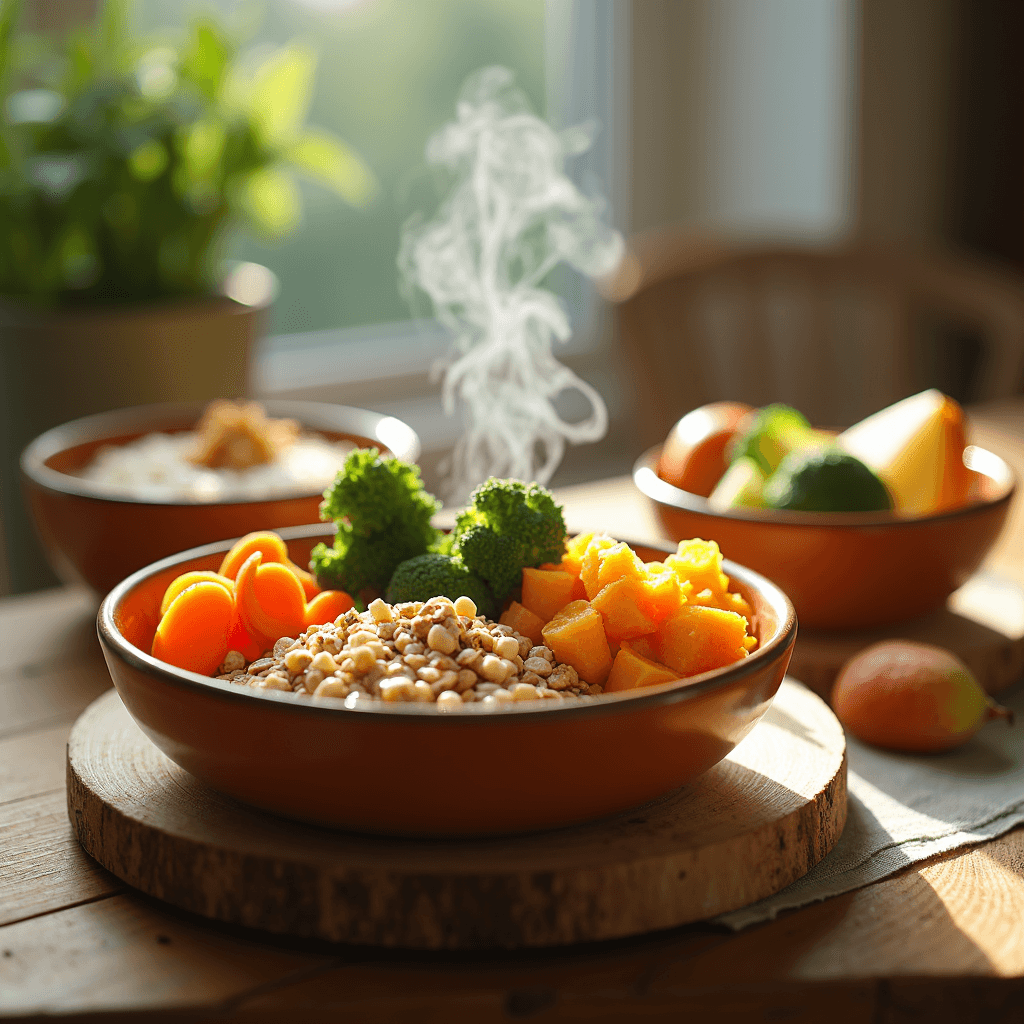
Sweet Potatoes (4g fiber per medium potato): Beta-carotene converts to vitamin A in the body, supporting eye health and immune function, while the natural sweetness appeals to toddler taste preferences. The complex carbohydrates provide sustained energy without blood sugar spikes.
Broccoli Trees (5g fiber per cup): Making vegetables fun through creative naming helps acceptance, while broccoli’s sulforaphane compounds support liver detoxification. Steam until tender-crisp to maintain nutrients while ensuring safe texture for little ones.
Carrots (3.5g fiber per cup): The natural sugars in carrots increase when cooked, making them more appealing to toddlers while maintaining their fiber content. Beta-carotene supports healthy skin and vision development during crucial growth years.
Whole Grain Winners
Oatmeal (4g fiber per cup cooked): Beta-glucan fiber in oats helps regulate cholesterol and provides sustained energy release. Mix with mashed banana or berries to enhance flavor while boosting overall fiber intake—creating a nutritionally dense breakfast option.
Whole Wheat Pasta (6g fiber per cup): Choosing whole grain versions provides B vitamins essential for brain development while the familiar shape and texture makes transition easier. Serve with simple tomato sauce or olive oil to maintain appeal.
Quinoa (5g fiber per cup cooked): This complete protein contains all nine essential amino acids while providing substantial fiber. Its mild, slightly nutty flavor pairs well with fruits or vegetables, making it versatile for various meal combinations.
Bean and Legume Superstars
Black Beans (15g fiber per cup): These fiber powerhouses also provide folate essential for brain development and iron for healthy blood formation. Mash into soft textures for younger toddlers or serve whole for those comfortable with finger foods.
Hummus (6g fiber per half cup): Made from chickpeas, hummus provides both fiber and protein in a creamy, dippable format that encourages vegetable consumption. The tahini adds healthy fats essential for brain development and nutrient absorption.
Smart Serving Strategies
| Age Group | Daily Fiber Goal | Serving Tips |
|---|---|---|
| 12-18 months | 6-7g | Soft, mashed textures; small pieces |
| 18-24 months | 7-8g | Finger foods; variety of textures |
| 2-3 years | 8-9g | Self-feeding encouraged; colorful presentations |
Making Fiber Fun and Accessible
Successfully incorporating high-fiber foods requires strategy and patience. We recommend introducing one new fiber-rich food per week, allowing time for taste bud adaptation while monitoring digestive responses. Gradual increases prevent uncomfortable gas or bloating that could create negative food associations.
Preparation Techniques That Work
Roasting vegetables like sweet potatoes and carrots concentrates their natural sugars while maintaining fiber content, making them more appealing to developing palates. Mixing high-fiber foods with familiar favorites—like adding pureed beans to pasta sauce—increases acceptance while boosting nutritional value.
Creating positive mealtime experiences encourages exploration of new textures and flavors. Allow toddlers to help with simple food preparation, like washing berries or stirring oatmeal, fostering ownership and interest in healthy choices.
Hydration Matters
Increasing fiber intake requires adequate fluid consumption to prevent constipation. Offer water throughout the day, especially with fiber-rich meals, as this helps fiber move through the digestive system effectively. Breast milk or whole milk also contributes to daily fluid needs while providing essential nutrients.
Troubleshooting Common Challenges
Many parents worry about digestive changes when increasing dietary fiber. Normal adjustments include slightly more frequent bowel movements and temporary gas as the gut microbiome adapts to increased beneficial bacteria food sources.
Signs of Success
Well-formed, regular bowel movements indicate adequate fiber intake and proper hydration. Improved energy levels throughout the day suggest stable blood sugar from sustained-release carbohydrates found in high-fiber foods. Reduced fussiness around meal times often correlates with better digestive comfort.
When to Adjust Approach
Excessive gas, cramping, or changes in stool consistency may indicate fiber increases are happening too quickly. Reduce portions temporarily and increase more gradually, allowing the digestive system time to adapt while maintaining variety in food choices.
Building Lifelong Healthy Habits
Early exposure to diverse, fiber-rich foods creates neural pathways that influence lifelong food preferences. Research shows taste preferences established before age 2 often persist into adulthood, making this period crucial for establishing healthy eating patterns.
Model enthusiastic consumption of high-fiber foods yourself, as toddlers learn primarily through observation and mimicry. Share meals together whenever possible, creating positive associations with nutritious choices while building family connection around healthy eating.
The NutriGuide Pro-Tip
Create a "rainbow plate" challenge where toddlers try to include different colored high-fiber foods at each meal. The visual appeal engages their natural curiosity while ensuring variety in nutrients and fiber types. Keep a simple chart where they can place stickers for each color consumed—making nutrition education fun and interactive while building healthy habits that will serve them throughout their lives.