Fenugreek Water: The Golden Seed That Transforms Your Morning Ritual
When you buy through links on our site, we may earn an affiliate commission at no additional cost to you (learn more)
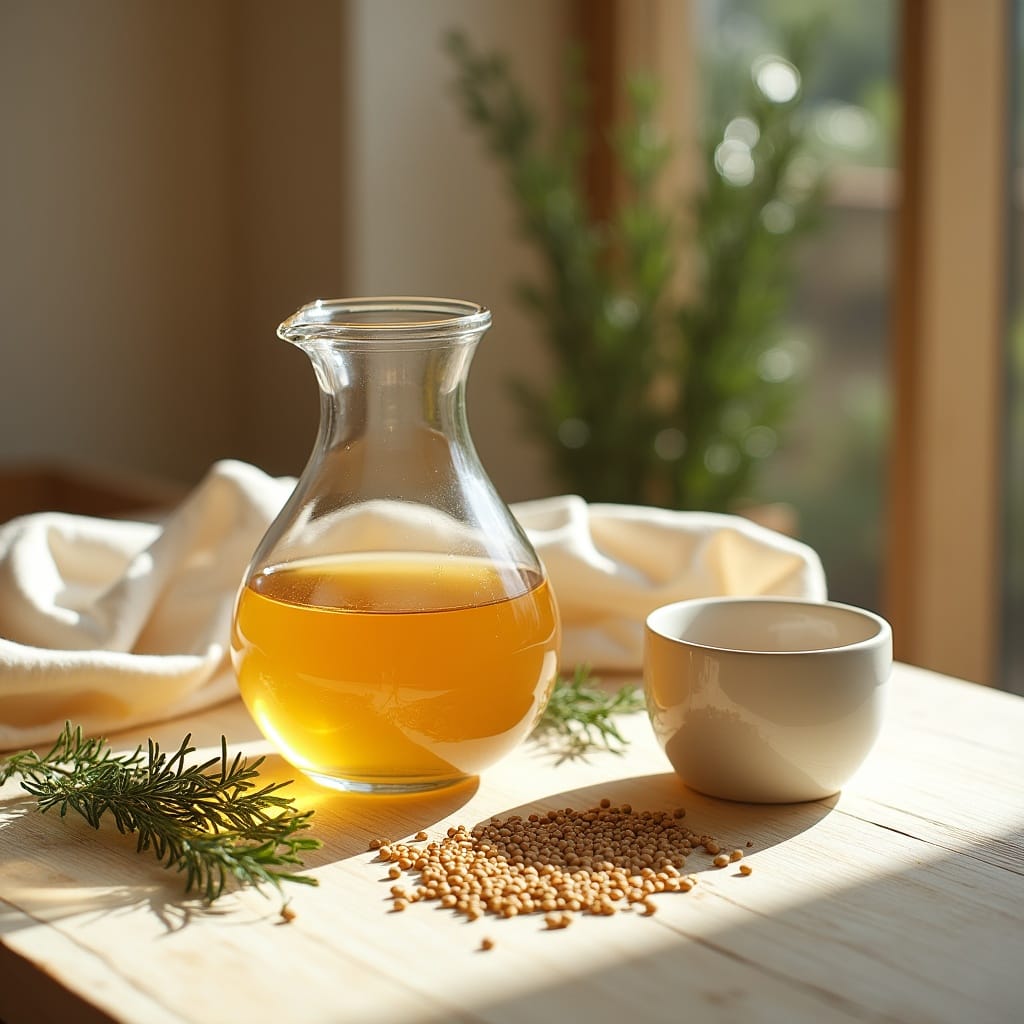
Those tiny amber-colored seeds sitting in your spice rack hold secrets that ancient civilizations treasured for thousands of years. Fenugreek water, made by steeping these golden seeds overnight, transforms a simple morning drink into a powerhouse of metabolic support, hormonal balance, and digestive wellness. We’re diving deep into the science behind why this humble seed deserves a place in your daily routine.
The Bioactive Blueprint: What Makes Fenugreek Water Work
Fenugreek seeds contain an impressive array of bioactive compounds that become water-soluble when steeped overnight. The primary player is 4-hydroxyisoleucine, an amino acid that enhances insulin sensitivity by mimicking insulin’s action on glucose uptake in muscle cells. This mechanism explains why fenugreek water shows consistent results in blood sugar management studies.
The seeds also release galactomannan, a soluble fiber that forms a gel-like substance in your digestive tract. This fiber slows glucose absorption, creating a steady release of energy rather than blood sugar spikes. Additionally, diosgenin compounds in fenugreek act as precursors to various hormones, supporting natural hormone production pathways.
The overnight steeping process is crucial because it allows these compounds to properly dissolve and become bioavailable. Fresh fenugreek water contains higher concentrations of these active ingredients compared to consuming the seeds directly, since our digestive system can more easily absorb the pre-extracted compounds.
Metabolic Magic: Blood Sugar and Weight Management
Research consistently shows that fenugreek water consumption leads to significant improvements in glucose metabolism. A 2017 study published in the Journal of Diabetes Research found that participants consuming 10 grams of fenugreek seeds daily (equivalent to about 2 tablespoons soaked overnight) experienced a 25% reduction in fasting blood glucose levels within 8 weeks.
The weight management benefits stem from multiple mechanisms working together. The galactomannan fiber increases satiety by expanding in your stomach, naturally reducing calorie intake. Meanwhile, the improved insulin sensitivity helps your body more efficiently use glucose for energy rather than storing it as fat.
The thermogenic properties of fenugreek also play a role in metabolism. Compounds like trigonelline support healthy metabolic rate by optimizing cellular energy production in your mitochondria. This explains why many people report feeling more energized after incorporating fenugreek water into their routine.
Optimal Timing for Metabolic Benefits
Consuming fenugreek water 30 minutes before your first meal maximizes its glucose-regulating effects. The fiber creates a protective barrier in your intestines that moderates carbohydrate absorption throughout your entire morning meal. This timing strategy helps maintain stable energy levels and reduces mid-morning crashes.
Hormonal Harmony: Supporting Natural Balance
Fenugreek water offers unique support for both women’s and men’s hormonal health through different pathways. For women, the phytoestrogens in fenugreek seeds help modulate estrogen activity, potentially easing menstrual irregularities and supporting healthy cycles. These plant compounds don’t add extra hormones but rather help optimize your body’s own hormone utilization.
The saponins in fenugreek water support the production of sex hormone-binding globulin (SHBG), which helps maintain proper testosterone levels in both men and women. Higher SHBG levels are associated with better hormone balance and reduced risk of hormone-related health issues.
For nursing mothers, fenugreek water has been traditionally used to support milk production, though the mechanism isn’t fully understood. Some researchers believe the diosgenin compounds may stimulate prolactin production, the hormone responsible for milk synthesis.
Digestive Wellness: Your Gut’s Best Friend
The mucilaginous properties of fenugreek create a soothing coating along your digestive tract, providing relief from inflammation and irritation. This protective layer is particularly beneficial for people dealing with acid reflux, gastritis, or inflammatory bowel conditions.
Fenugreek water acts as a natural prebiotic, feeding beneficial gut bacteria while inhibiting harmful microorganisms. The fiber content promotes healthy bowel movements and supports the growth of Lactobacillus and Bifidobacterium strains, which are crucial for immune function and nutrient absorption.
The anti-inflammatory compounds in fenugreek, particularly flavonoids and alkaloids, help reduce intestinal inflammation at the cellular level. This explains why many people experience improved digestion and reduced bloating after consistent fenugreek water consumption.
Preparing Perfect Fenugreek Water: The Method Matters
The quality of your fenugreek water depends entirely on proper preparation technique. Start with organic, whole fenugreek seeds—avoid pre-ground powder which loses potency quickly. Use a ratio of 1 tablespoon of seeds to 1 cup of filtered water for optimal extraction.
| Step | Action | Why It Matters |
|---|---|---|
| 1 | Soak 1 tbsp seeds in 1 cup room temperature water | Room temperature preserves delicate compounds |
| 2 | Cover and steep for 8-12 hours | Maximum compound extraction occurs during this window |
| 3 | Strain liquid, discard seeds | Removes fiber particles that can cause digestive upset |
| 4 | Consume within 24 hours | Maintains potency and prevents bacterial growth |
Enhancing Bioavailability
Adding a pinch of black pepper to your fenugreek water increases absorption of fat-soluble vitamins and enhances the bioavailability of active compounds. The piperine in black pepper inhibits certain enzymes that break down beneficial plant compounds before they can be absorbed.
Some people add a small amount of raw honey or lemon juice to improve taste, but these additions should be minimal to avoid interfering with the blood sugar benefits. If you’re using fenugreek water specifically for glucose management, consume it plain for maximum effectiveness.
Timing and Dosage: Finding Your Sweet Spot
Start with a smaller amount—about ½ cup of fenugreek water daily—to assess your body’s response. Some people experience mild digestive changes as their gut bacteria adapt to the increased fiber intake. Gradually increase to 1 full cup daily over the course of 1-2 weeks.
The optimal timing depends on your primary goals:
- For blood sugar support: 30 minutes before your largest meal
- For digestive health: First thing in the morning on an empty stomach
- For hormonal balance: Consistently at the same time daily (morning preferred)
- For weight management: 20-30 minutes before meals to maximize satiety effects
Potential Interactions and Considerations
Fenugreek water can interact with certain medications, particularly blood sugar medications and blood thinners. The compounds that help regulate glucose can amplify the effects of diabetes medications, potentially causing blood sugar to drop too low. If you’re taking any medications, consult with your healthcare provider before adding fenugreek water to your routine.
People with peanut or chickpea allergies should exercise caution, as fenugreek belongs to the same legume family and cross-reactivity is possible. Start with a very small amount to test your tolerance.
Pregnant women should avoid therapeutic amounts of fenugreek water, as some compounds may stimulate uterine contractions. While culinary amounts in food are generally safe, the concentrated preparation of fenugreek water exceeds typical dietary intake.
Quality Sourcing: Getting the Best Seeds
The potency of your fenugreek water depends heavily on seed quality. Look for certified organic seeds with a strong, slightly sweet aroma. High-quality fenugreek seeds should be uniform in color—a golden-amber hue—without dark spots or signs of moisture damage.
Avoid seeds that appear dusty or have been sitting on store shelves for extended periods. Whole seeds retain their potency much longer than ground versions. Store your seeds in an airtight container in a cool, dark place to preserve the volatile compounds that give fenugreek its therapeutic properties.
Source from reputable suppliers who can provide information about harvest dates and storage conditions. Fresh, properly stored fenugreek seeds maintain their bioactive compounds for up to 2 years when stored correctly.
The NutriGuide Pro-Tip
Transform your fenugreek water into an even more powerful morning ritual by preparing it in a glass jar and placing it near your bedside table before sleep. This creates a visual reminder for consistent morning consumption while ensuring the seeds get the full overnight steeping time. The gentle amber glow of the soaked seeds serves as a beautiful, natural reminder of the golden health benefits waiting to start your day. For enhanced benefits, alternate between regular fenugreek water and a blend with a few fennel seeds added—the fennel compounds work synergistically with fenugreek to support digestive health while adding a subtle, pleasant flavor that makes the morning ritual something to look forward to rather than endure.