Cinnamon Benefits For Women: Essential Health Advantages and Hormone Support
Table of Contents
When you buy through links on our site, we may earn an affiliate commission at no additional cost to you (learn more)
Cinnamon offers several science-backed benefits that can specifically support women’s health throughout different life stages. This common spice contains compounds that may help regulate menstrual cycles, support blood sugar control, and reduce inflammation in ways that matter for female wellness.
Research suggests that cinnamon can help manage symptoms related to polycystic ovary syndrome (PCOS), ease menstrual discomfort, and support metabolic health in women.
You’ll discover how to incorporate this spice into your daily routine safely and effectively. The article covers the specific mechanisms behind cinnamon’s effects on women’s bodies, practical dosage recommendations, and important considerations before adding it to your health regimen.
Core Health Benefits Of Cinnamon For Women
Cinnamon offers targeted support for women’s unique physiological needs, particularly in managing hormones, stabilizing glucose levels, easing menstrual discomfort, and addressing PCOS symptoms.
Hormonal Balance Support
Cinnamon contains compounds that influence insulin sensitivity, which directly affects your hormonal equilibrium. When your insulin levels remain stable, your body can better regulate estrogen and progesterone production.
The spice works by reducing insulin resistance in your cells. This mechanism helps prevent the hormonal cascades that lead to imbalances, particularly those affecting your reproductive system.
Research indicates that cinnamon may help lower androgens in women with hormonal irregularities. Lower androgen levels can reduce unwanted symptoms like excess facial hair and acne.
Your endocrine system benefits from cinnamon’s ability to modulate inflammatory responses. Chronic inflammation disrupts hormone production, so reducing it supports your body’s natural hormonal rhythms.
Blood Sugar Regulation
Cinnamon slows the breakdown of carbohydrates in your digestive tract, which prevents sharp spikes in blood glucose after meals. This effect occurs through compounds called polyphenols that enhance insulin receptor sensitivity.
Your cells become more responsive to insulin when you consume cinnamon regularly. Studies show that doses of 1-6 grams daily can lower fasting blood sugar levels by 10-29% in some individuals.
The spice also delays gastric emptying, meaning food moves more slowly from your stomach to your small intestine. This gradual process gives your body time to manage glucose more effectively.
Cinnamon provides relief from common menstrual symptoms including cramps, heavy bleeding, and nausea. The spice contains anti-inflammatory properties that reduce prostaglandin production, which triggers uterine contractions.
Your menstrual flow may become more regular with consistent cinnamon consumption. Studies have shown that women taking cinnamon supplements experienced reduced bleeding intensity and shorter duration of pain.
The warming properties of cinnamon improve blood circulation to your pelvic region. Better circulation helps reduce the severity of cramping and associated discomfort during your period.
You can consume cinnamon as a tea, supplement, or food additive during your menstrual cycle. Many women report noticeable improvements in pain levels when taking 1.5 grams daily during menstruation.
Polycystic Ovary Syndrome (PCOS) Relief
PCOS affects your insulin metabolism and hormone levels, creating a cycle of symptoms that cinnamon can help interrupt. The spice addresses multiple PCOS markers simultaneously, making it a valuable dietary addition.
Your insulin resistance decreases when you supplement with cinnamon, which is critical for PCOS management. Lower insulin levels reduce the signal to your ovaries to produce excess androgens.
Clinical trials have demonstrated that cinnamon supplementation improves menstrual regularity in women with PCOS. Participants taking 1.5 grams daily showed better cycle patterns compared to placebo groups.
The anti-inflammatory effects of cinnamon also address the chronic low-grade inflammation common in PCOS. This reduction supports better metabolic function and may improve fertility outcomes for women trying to conceive.
Cinnamon’s Impact On Women’s Wellness
Cinnamon delivers measurable health benefits through its anti-inflammatory compounds, protective antioxidants, and immune-supporting properties. These effects address several wellness concerns that commonly affect women’s health.
Anti-Inflammatory Properties
Cinnamon contains cinnamaldehyde and cinnamic acid, which reduce inflammation markers in your body. These compounds inhibit inflammatory pathways that contribute to conditions like arthritis, endometriosis, and polycystic ovary syndrome (PCOS).
Studies show that consuming 1-6 grams of cinnamon daily can lower C-reactive protein (CRP) levels, a key inflammation indicator. For women with PCOS, cinnamon supplementation may help reduce inflammatory responses associated with insulin resistance and hormonal imbalances.
The spice’s anti-inflammatory effects extend to menstrual discomfort. Research indicates that cinnamon can decrease prostaglandin production, which may reduce cramping intensity during menstruation. Women who took cinnamon supplements reported less severe menstrual pain compared to placebo groups in clinical trials.
Antioxidant Effects
Your body faces constant oxidative stress from environmental factors and natural metabolic processes. Cinnamon ranks among the top antioxidant-rich foods, containing polyphenols that neutralize free radicals and protect cellular structures.
The spice provides more antioxidant activity than many fruits and vegetables per gram. Its primary antioxidants include procyanidins, catechins, and epicatechins, which prevent cellular damage linked to premature aging and chronic diseases.
For women, these antioxidant properties support skin health by reducing oxidative damage to collagen and elastin. Cinnamon’s protective compounds also benefit cardiovascular health, which becomes increasingly important as women age and estrogen levels decline.
Immune System Boost
Cinnamon strengthens your immune response through its antimicrobial and antifungal properties. The essential oils in cinnamon, particularly cinnamaldehyde, combat various bacterial and fungal strains that cause infections.
Research demonstrates that cinnamon extract inhibits the growth of bacteria like E. coli and Salmonella, as well as Candida species. This antimicrobial activity supports your body’s defense against common infections that women experience, including urinary tract infections and yeast infections.
The spice also contains compounds that activate immune cells and enhance their pathogen-fighting capabilities. Regular consumption may help your body maintain stronger immune surveillance and faster response times to potential threats.
Practical Uses And Considerations For Cinnamon Intake
Most health experts recommend 1-2 grams of cinnamon daily for women seeking health benefits, though the type of cinnamon you choose matters significantly for safety. Understanding proper dosing, potential adverse effects, and cinnamon varieties helps you incorporate this spice effectively into your routine.
Safe Dosage And Methods Of Use
You can safely consume 1-2 grams (approximately ½ to 1 teaspoon) of Ceylon cinnamon daily. For cassia cinnamon, you should limit intake to 0.5 grams per day due to its higher coumarin content.
The easiest way to add cinnamon to your diet is by sprinkling it on oatmeal, yogurt, or coffee. You can also mix it into smoothies or take it as a supplement in capsule form. If you choose supplements, look for products that specify Ceylon cinnamon and provide clear dosage information.
Common intake methods:
Adding ground cinnamon to breakfast foods
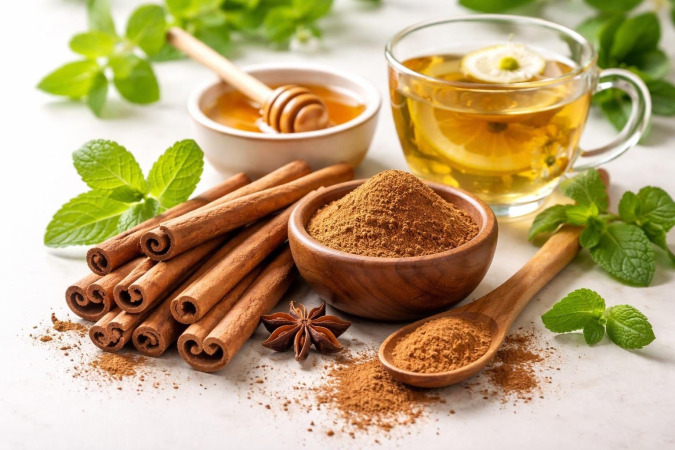
Brewing cinnamon tea with sticks or powder
Taking standardized capsules (500mg-1000mg daily)
Mixing into protein shakes or baked goods
Start with smaller amounts and gradually increase to assess your tolerance. Taking cinnamon with meals can help minimize digestive discomfort and improve absorption.
Potential Side Effects
High doses of cassia cinnamon can damage your liver due to coumarin content. You may experience mouth sores or allergic reactions if you consume excessive amounts or have sensitivities.
Some women report digestive upset, including nausea or diarrhea, when taking cinnamon supplements on an empty stomach. If you have diabetes and take blood sugar medications, cinnamon may enhance their effects and cause hypoglycemia.
Pregnant and breastfeeding women should consult their healthcare provider before using cinnamon medicinally, as high doses may stimulate uterine contractions. If you take blood thinners, cinnamon’s anticoagulant properties could increase bleeding risk.
Choosing The Right Type Of Cinnamon
Ceylon cinnamon, known as “true cinnamon,” contains minimal coumarin and is safer for daily use. Cassia cinnamon, the more common variety sold in most grocery stores, has significantly higher coumarin levels that can be problematic with regular consumption.
You can identify Ceylon cinnamon by its lighter tan-brown color and delicate, slightly sweet flavor. Cassia appears darker reddish-brown and tastes stronger and spicier. Ceylon cinnamon sticks feature multiple thin layers that crumble easily, while cassia sticks are thicker and harder.