Herbs for Menstrual Cramps- Natural Home Remedies
When you buy through links on our site, we may earn an affiliate commission at no additional cost to you (learn more)
If you are one of the millions of women who suffer from menstrual cramps, you can often treat pain and other symptoms naturally without immediately turning to medications. Herbs have been used for centuries for menstrual discomfort, and several have clinical studies supporting their effects. This guide explains common herbs, how they work, and safe ways to use them.
Understanding Menstrual Cramps
Dysmenorrhea is the medical name for menstrual cramps. It causes lower abdominal pain that can radiate into the back and thighs. Cramping is driven in part by prostaglandins, hormone-like substances that cause the uterus to contract.
Symptoms often occur in the days before and during bleeding and can include:
- Digestive upset and bloating
- Headaches or migraine
- Nausea and vomiting
- Dizziness and fatigue
- Mood changes and irritability
Over-the-counter NSAIDs reduce prostaglandins and relieve pain, but regular or high-dose use has risks for the stomach, kidneys, and liver. Many people choose herbs because they can offer multiple benefits—pain relief, anti-inflammation, and digestive support—with generally lower side-effect profiles when used correctly.
Why Choose Herbal Remedies
Herbal remedies often act on several symptoms at once rather than a single target. For example, an herb might reduce uterine spasms while easing nausea and calming mood swings. Some herbs have long histories of traditional use and emerging clinical evidence for effectiveness.
Common advantages include:
- Multiple delivery options: teas, capsules, tinctures, and topical oils
- Potentially fewer side effects than some pharmaceuticals when used properly
- Cost-effective and accessible from reputable suppliers
Herbal Treatments for Menstrual Cramps
Below are herbs supported by traditional use and clinical research. Use one at a time at first to judge your response.
Ginger
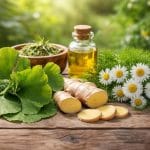
Ginger reduces pain and nausea and may lower prostaglandin production. Studies suggest taking 500–1,000 mg of ginger extract daily during the first three days of menstruation can reduce pain intensity. Take as tea, fresh in food, or in capsule form. Shop ginger supplements.
Fennel
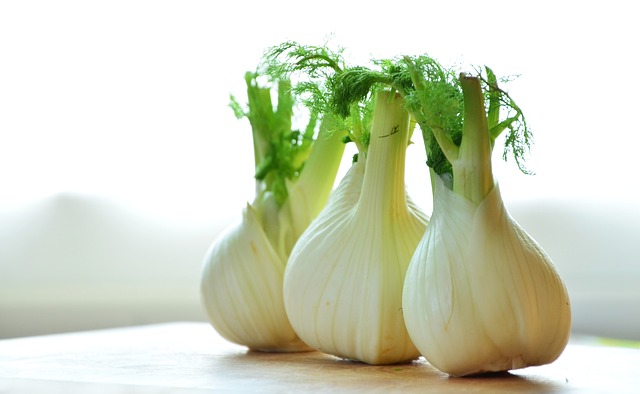
Fennel contains anethole, a compound with antispasmodic effects that can ease uterine cramps and digestive symptoms. Small trials show fennel seed extract taken at the start of menses reduces pain severity. Brew fennel seed tea or use standardized supplements like the ones linked in the article.
Frankincense and Myrrh
When used together, frankincense and myrrh have anti-inflammatory properties that can lower pain. They are available as oral supplements and diluted topical oils. Follow product dosing and avoid prolonged high-dose use without professional guidance. Shop: frankincense and myrrh.
Corydalis
Corydalis, used in Traditional Chinese Medicine, contains alkaloids that act as natural analgesics. It may be most helpful for sharp, intense cramping. Because corydalis can interact with certain medications and cause drowsiness, use under supervision. Sho[ product link.
Cinnamon
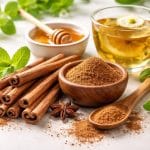
Cinnamon has anti-inflammatory and antispasmodic actions. Trials indicate it can reduce pain severity and menstrual bleeding in some women. Add cinnamon to food or try supplements.
Evening Primrose Oil
Evening primrose oil contains gamma-linolenic acid (GLA), an anti-inflammatory fatty acid. Some people report reduced cramping and mood-related PMS symptoms when taking it daily. Avoid if you take certain seizure or blood-thinning medications.
Turmeric
Turmeric’s active compound curcumin reduces inflammation. Small studies support its role in easing pelvic pain. Use with care if you take blood thinners or have gallbladder disease. Products linked in the post remain appropriate, such as turmeric supplements.
Black Cohosh
Black cohosh has traditionally been used for menstrual problems and can help with pain and nervous tension. Use for short periods and under guidance, especially if you have liver concerns or are on hormone therapies. Keep the link.
How to Use Herbs Safely
Herbs are active substances and can interact with medications or health conditions. Use these safety steps before starting any herbal regimen:
- Talk to your healthcare provider if you take prescription medicines, have bleeding disorders, liver disease, are pregnant, or breastfeeding.
- Start with one herb at a time and use the lowest effective dose for several cycles to assess benefit and side effects.
- Choose standardized extracts from reputable brands to ensure consistent potency and purity.
- Report any unusual symptoms—severe abdominal pain, allergic reactions, or signs of liver problems—to your clinician immediately.
Practical Tips
Combine practical self-care with herbs for better results. Try these simple, evidence-informed steps:
- Apply heat to the lower abdomen to relax muscles and reduce pain.
- Maintain gentle exercise like walking or yoga to improve circulation and reduce cramping.
- Keep a symptom journal to track which herbs and routines help most.
- Start herbal supplements a few days before your expected period for preventive effect when indicated by the product directions.
Remember that individual responses vary. What works well for one person may be less effective for another. Consistency across several cycles helps determine whether a treatment is beneficial.