Essential Oils for Blisters — Treat Blisters Naturally
When you buy through links on our site, we may earn an affiliate commission at no additional cost to you (learn more)
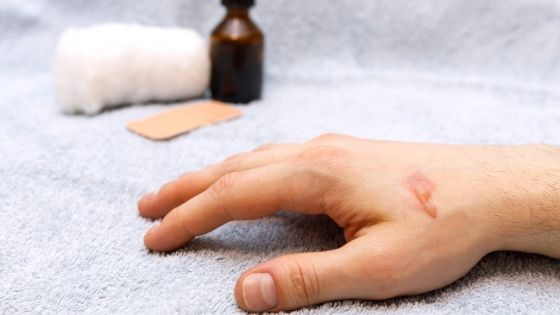
Blisters are pockets of fluid that form between the upper layers of your skin. They are often caused by friction, burns, insect bites, or medical issues such as cold sores. Whatever the cause, blisters are uncomfortable and can slow you down while they heal.
Treating blisters naturally and safely is possible when you choose evidence-backed remedies and follow safe application methods. Essential oils can help reduce pain, lower inflammation, and limit the risk of infection when used correctly alongside basic wound care.
What Are Common Causes of Blisters?
Blisters form when the skin is damaged and fluid collects to protect underlying tissue. Common triggers are:
- Friction from ill-fitting shoes or repetitive motion
- Thermal burns from heat or sun
- Insect bites and allergic reactions
- Viral infections such as cold sores
Most blisters heal on their own if kept clean and protected. However, popped or repeatedly irritated blisters can become infected and may need medical attention.
The Best Essential Oils for Blisters
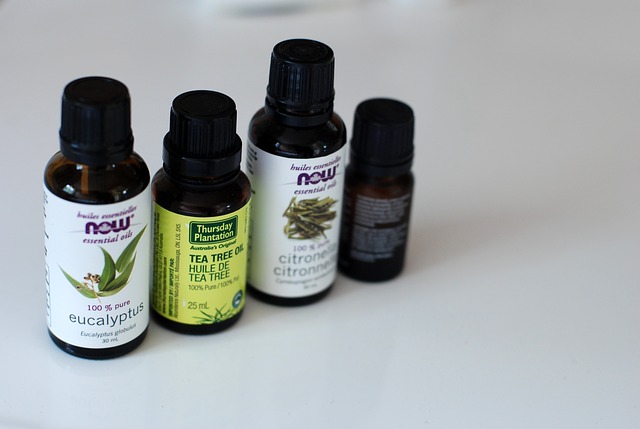
Lavender Essential Oil
Lavender oil is widely used for skin issues because it has mild anti-inflammatory and antimicrobial effects. Studies suggest lavender can support wound healing and reduce pain and redness.
Use a dilution of about 1% to 2% for facial or sensitive areas (10 drops of essential oil per 1 tablespoon or 15 ml of carrier oil for 1% dilution). For less sensitive areas like the feet, 2% (10-12 drops per 30 ml carrier) is appropriate. Apply to the blistered area 1 times daily.
Tea Tree Essential Oil
Tea tree oil has well-documented antimicrobial properties against bacteria and fungi, making it useful for preventing infection after a blister pops. It is potent and can irritate sensitive skin, so always dilute.
Recommended dilution: 1% for delicate skin and up to 2% for tougher skin. Perform a patch test on the inner forearm before using on the blister.
Eucalyptus Essential Oil
Eucalyptus contains compounds with anti-inflammatory and antimicrobial actions. It can reduce swelling and soothe discomfort related to blisters, especially those caused by burns or sun exposure.
Dilute eucalyptus to 1% to 2% in a carrier oil and apply no more than 2 times daily. Avoid using eucalyptus on children under 10 without professional advice.
Frankincense Essential Oil
Frankincense is valued for skin repair and gentle anti-inflammatory activity. It may help the skin regenerate and reduce the risk of scarring when combined with good wound care.
Use frankincense at 1% dilution for sensitive areas. It can be used alongside lavender for added soothing effects.
Peppermint Essential Oil
Peppermint contains menthol, which gives a cooling, analgesic (pain-relieving) effect. This can help reduce the burning sensation around blisters, but it can sting if applied to broken skin.
Dilute peppermint to no more than 0.5% to 1% on open or irritated skin. If the blister is intact, avoid applying peppermint directly to the blister surface; instead apply around the blister to soothe surrounding skin.
How to Safely Use Essential Oils on Blisters
- Clean the area: Gently wash with mild soap and water and pat dry.
- Do not apply undiluted essential oil directly to a blister. Always mix with a carrier oil such as jojoba, sweet almond, or fractionated coconut oil.
- Use a patch test: Apply a small diluted amount on the inner forearm and wait 24 hours to check for redness or irritation.
- Cover if needed: If the blister is in a place that rubs (like the heel), cover with a sterile bandage after treatment to protect it.
- Limit frequency: Apply diluted essential oil 1 times daily. If irritation occurs, stop use immediately.
Other Natural Treatments
Pure Aloe Vera Gel
Aloe vera is known for anti-inflammatory and hydrating properties. It soothes burning and can speed skin repair. Use 100% pure aloe gel and apply as needed to soothe the area.
We recommend this 100% organic aloe vera gel by Seven Minerals for a clean, simple option: 100% organic aloe vera gel by Seven Minerals.
Apple Cider Vinegar
Apple cider vinegar has antimicrobial qualities but is acidic and can sting on broken skin. If you choose to use it, dilute well with water and avoid open, painful wounds.
Garlic
Garlic contains compounds with antimicrobial effects. Some small studies indicate benefit against microbes, but applying raw garlic directly can irritate or burn skin. Use carefully and for short periods only on non-broken skin.
When to See a Professional
Seek medical care if you notice increasing redness, spreading warmth, significant swelling, pus, fever, or worsening pain. These signs suggest infection and may need prescription antibiotics or other treatments.
Also consult a healthcare provider before using essential oils on infants, pregnant or breastfeeding people, or individuals with serious medical conditions.
Final Thoughts
Essential oils can support blister care by easing pain, lowering inflammation, and helping prevent infection when used safely. The key is proper dilution, a patch test, and combining oils with basic wound care such as cleaning and protection.
If you choose to try essential oils, select gentle options like lavender or frankincense and follow the dilution guidelines. Stop use if irritation appears and consult a healthcare professional for signs of infection.
Sources