Cloves for Women’s Health: The Ancient Spice Science Supports
When you buy through links on our site, we may earn an affiliate commission at no additional cost to you (learn more)
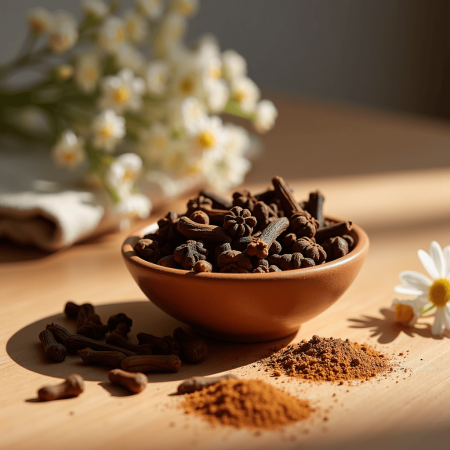
Cloves aren’t just for holiday baking. This small, dark spice—the unopened flower bud of the Syzygium aromaticum tree—has quietly supported women’s health for centuries across traditional medicine systems. What makes cloves particularly relevant for women today is that modern science is now backing up what herbalists have long known: the compounds in cloves target hormonal balance, bone density, menstrual regularity, and even cognitive clarity in ways that address female-specific health concerns.
The Science Inside a Clove
Cloves contain roughly 2% volatile oils, primarily eugenol, along with beta-caryophyllene, and a polyphenol compound called oleuropein. This chemical profile is what gives cloves their distinctive warmth and their therapeutic potential. Eugenol, for instance, is a potent anti-inflammatory that crosses the blood-brain barrier, meaning it can affect both systemic inflammation and neurological function—two systems deeply connected to women’s hormonal health.
Beyond eugenol, cloves are dense in antioxidants. In fact, they rank among the highest antioxidant-rich spices by ORAC (Oxygen Radical Absorbance Capacity) scores. This matters because oxidative stress accelerates aging, disrupts hormonal signaling, and undermines bone health—all areas where women face particular vulnerabilities, especially as estrogen declines with age.
Five Evidence-Based Benefits for Women
1. Hormonal Balance & Menstrual Regularity
Cloves contain compounds that modulate estrogen metabolism. Specifically, eugenol has been shown in laboratory studies to influence estrogen receptor signaling, which may explain traditional uses of cloves to regulate menstrual cycles. For women with irregular periods or hormonal fluctuations, this isn’t about treating a disease—it’s about supporting the body’s natural regulatory mechanisms.
The mechanism: cloves’ anti-inflammatory compounds reduce prostaglandin excess, which often contributes to severe menstrual cramping and irregular cycle length.
2. Bone Health & Density
Women lose bone density rapidly after menopause when estrogen production drops. A 2020 study in the journal Nutrients found that polyphenol-rich compounds (which cloves contain in abundance) help preserve bone mineral density by reducing osteoclast activity—the cells that break down bone. Additionally, cloves’ mineral content (manganese, which supports bone matrix formation, and calcium) directly contributes to skeletal strength.
The practical implication: regular clove consumption as part of a balanced diet may help slow age-related bone loss, reducing fracture risk.
3. Blood Sugar Stability & Metabolic Health
Cloves contain compounds that slow glucose absorption in the digestive tract. In a 2016 study published in Food & Function, clove extract inhibited key enzymes involved in glucose breakdown, effectively flattening post-meal blood sugar spikes. For women managing PCOS or insulin resistance—both conditions linked to hormonal imbalance—this is particularly relevant.
Stable blood sugar means better energy, more predictable mood, and less cortisol stress on the system.
4. Cognitive Function & Brain Health
Eugenol’s neuroprotective properties aren’t trivial. Women are 1.5–2x more likely to develop Alzheimer’s disease than men, partly due to estrogen’s protective effect on the brain. Cloves’ polyphenols support mitochondrial function and reduce neuroinflammation, two hallmarks of healthy cognitive aging. Some research suggests regular consumption of clove-rich diets is associated with better memory recall and slower cognitive decline.
5. Antimicrobial & Immune Support
Eugenol exhibits broad-spectrum antimicrobial activity. For women prone to urinary tract infections or yeast overgrowth (both hormone-influenced conditions), cloves offer a natural preventative via immune modulation rather than direct kill mechanisms.
Clove Nutrition Profile
Here’s what you get per teaspoon (2g) of whole dried cloves:
| Nutrient | Amount | % Daily Value |
|---|---|---|
| Manganese | 0.25 mg | 12% |
| Vitamin K | 1.3 mcg | 2% |
| Calcium | 13 mg | 1% |
| Calories | 6 | — |
Note: Because cloves are used in small quantities, you’re not consuming large amounts of these nutrients per serving—but their potency lies in their bioactive compounds, not caloric density.
How to Use Cloves Intentionally
In Tea & Infusions
Steep 4–5 whole cloves in hot water for 10 minutes. This releases eugenol and other volatile compounds while keeping them stable. Add to herbal tea blends focused on women’s health (pair with ginger for menstrual comfort, or with cinnamon for blood sugar support).
Clove Water for Daily Sipping
Boil 1–2 cloves in a cup of water, let cool slightly, and sip throughout the day. This gentle approach provides sustained exposure to clove’s compounds without overwhelming the palate.
In Spice Blends & Cooking
Add ground cloves to:
- Breakfast oatmeal or grain bowls
- Bone broth (adds warmth and anti-inflammatory benefit)
- Roasted vegetables, especially squash and root vegetables
- Smoothies with warming spices like turmeric and cinnamon
The key is consistency. One clove in your tea once a year won’t shift your health—but regular, intentional use compounds over time.
Clove Oil (Use with Care)
Clove essential oil is extremely concentrated. A single drop contains the equivalent of 15+ whole cloves. If you use clove oil internally, dilute it well in a carrier oil and limit to 1–2 drops daily under guidance. Pregnant women should avoid concentrated clove oil.
Who Should Be Cautious
- Pregnant women: While culinary amounts of cloves are fine, avoid supplemental doses or essential oil during pregnancy.
- Blood thinners: Cloves have mild anticoagulant properties; if on warfarin or similar drugs, mention to your healthcare provider.
- Upcoming surgery: Discontinue clove supplementation 2 weeks before elective surgery.
- Gum sensitivity: Whole cloves can irritate sensitive gums due to their spiciness; use tea or powder instead.
The NutriGuide Pro-Tip
Create a “Women’s Wellness Spice Blend” by combining cloves, cinnamon, ginger, and turmeric in equal parts. Store in a glass jar away from heat and light. Use 1 teaspoon in warm milk, tea, or oatmeal each morning. This combination addresses multiple female health pillars—hormone balance (cloves + cinnamon), inflammation (ginger + turmeric), and blood sugar (cinnamon + cloves)—without requiring you to manage individual supplements. It’s the simplest way to make cloves a daily habit.
Remember: cloves are a support system, not a replacement for medical care. If you’re dealing with hormone imbalance, bone loss, or blood sugar concerns, use cloves as part of a broader nutrition and lifestyle strategy alongside professional guidance.