Sea Moss Gel for Women: Nature’s Collagen Powerhouse
Table of Contents
When you buy through links on our site, we may earn an affiliate commission at no additional cost to you (learn more)
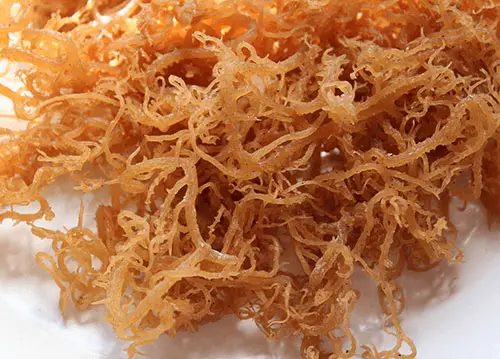
Sea moss gel is becoming a wellness staple for women seeking a natural approach to skin radiance, hormonal balance, and nutrient density. This marine superfood, harvested from Atlantic and Caribbean waters, delivers over 92 of the 102 minerals our bodies need—making it a nutritional powerhouse worth understanding. The difference between sea moss hype and real benefits lies in understanding the science behind each claim and how this seaweed works within your body’s unique biology.
The Science Behind Sea Moss Gel’s Power for Women
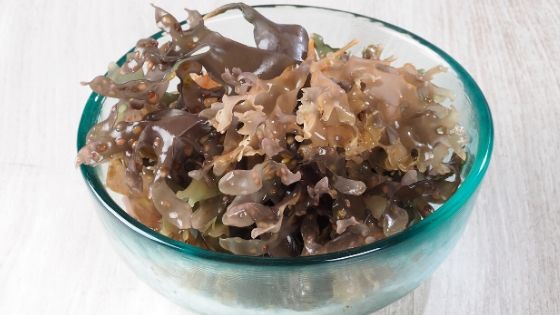
Sea moss (Chondrus crispus) contains carrageenan, a natural polysaccharide that acts as a prebiotic fiber. This means it feeds beneficial bacteria in your gut microbiome, supporting nutrient absorption and immune function—areas where many women struggle due to hormonal fluctuations. The gel form matters because soaking raw sea moss in water allows the cell walls to rupture, making minerals like iodine, potassium, and magnesium more bioavailable than consuming whole pieces.
What makes sea moss uniquely beneficial for women is its iodine content. A single tablespoon of sea moss gel can provide 5–73% of your daily iodine requirement, which is essential for thyroid function. The thyroid regulates metabolism, energy, and mood—areas heavily influenced by hormonal cycles. Women often experience thyroid imbalance during perimenopause and menopause, making mineral-rich foods like sea moss particularly relevant.
Five Key Benefits for Women’s Health
1. Supports Skin Health From Within
Sea moss is rich in sulfur compounds and polysaccharides that strengthen collagen and elastin production. Collagen is the protein responsible for skin elasticity and firmness—production peaks in our 20s and declines by 1% annually after age 30. The minerals in sea moss (zinc, vitamin C, and selenium) act as cofactors for collagen synthesis, supporting skin texture naturally. This is why you’ll see sea moss in beauty supplements and face masks: it delivers compounds your skin cells use for repair.
Women are five to eight times more likely than men to develop thyroid disorders. Sea moss provides iodine, selenium, and iron—three critical minerals for thyroid hormone production and regulation. During hormonal transitions like pregnancy or perimenopause, thyroid support becomes crucial for mood, energy, and metabolism. Adding sea moss gel to your routine can serve as dietary insurance for this vital gland.
3. Promotes Gut Health and Nutrient Absorption
The carrageenan in sea moss acts as a prebiotic, feeding Lactobacillus and Bifidobacterium—beneficial bacteria that reduce bloating, support regular digestion, and strengthen your gut barrier. A healthy gut microbiome is linked to better hormone metabolism, particularly estrogen regulation, which influences mood, energy, and cycle regularity. Women with poor gut health often experience worse PMS symptoms and hormonal acne.
4. Supports Hair, Nails, and Overall Vitality
Sea moss delivers sulfur, a mineral essential for keratin formation in hair and nails. It also contains B vitamins, which support energy production—something many women need during heavy menstrual periods or postpartum recovery. The mineral density makes sea moss ideal for women recovering from nutrient depletion after pregnancy or those managing heavy periods.
5. May Help Regulate Hormonal Cycles
While research is still emerging, sea moss’s iodine and zinc content may support reproductive health. Zinc is essential for progesterone production and egg quality, while iodine supports thyroid function—and thyroid health directly influences menstrual regularity. Women with low iodine intake often experience heavier, more irregular cycles.
Start with 1 tablespoon of sea moss gel daily for the first week, then increase to 1–2 tablespoons if your digestive system tolerates it well. Some women experience mild bloating initially as their microbiome adjusts. Listen to your body—more isn’t always better with supplements. Most studies supporting sea moss benefits use 1–2 tablespoon daily doses, so there’s no need to exceed this amount.
Avoiding Common Mistakes
Don’t exceed iodine intake if you have thyroid conditions: If you’re taking thyroid medication or have Graves’ disease, check with your doctor. Sea moss’s iodine can interfere with thyroid regulation.
Quality matters: Choose wildcrafted sea moss from reputable suppliers. Some brands add additives or use lower-quality sources that may contain sea pollution metals like arsenic.
Don’t treat it as a meal replacement: Sea moss is nutrient-dense but lacks protein and healthy fats. Use it to supplement, not replace, whole foods.
Be mindful of iodine from other sources: If you already consume iodized salt, dairy, and eggs regularly, adding sea moss might push you over your daily iodine needs (900 mcg for women).
The NutriGuide Pro-Tip
Combine sea moss gel with vitamin C (citrus, berries, or kiwi) and consume it in the morning with a fat source like avocado or nut butter. Vitamin C enhances mineral absorption, while fat helps your body absorb fat-soluble vitamins that support skin health. This simple combination maximizes the bioavailability of sea moss’s nutrients and creates a synergistic effect—something we can’t achieve by consuming sea moss alone. Think of it as building a foundation rather than taking a single supplement.