Sea Moss for Women: Why This Ocean Mineral Deserves a Spot in Your Routine
Table of Contents
When you buy through links on our site, we may earn an affiliate commission at no additional cost to you (learn more)
Sea moss—the nutrient-dense red seaweed thriving in the cold Atlantic waters off Ireland and Jamaica—has become a quiet powerhouse in wellness routines for women seeking natural support for hormonal balance, skin radiance, and sustainable energy. But this isn’t just hype. Behind the minimalist jars and Instagram-worthy marketing sits genuine biochemistry that explains why women’s bodies respond to sea moss so distinctly. We’re walking you through exactly what sea moss delivers at a cellular level, why women need these nutrients, and how to integrate it into your life without overthinking it.
The Science Behind Sea Moss: What Makes It Special
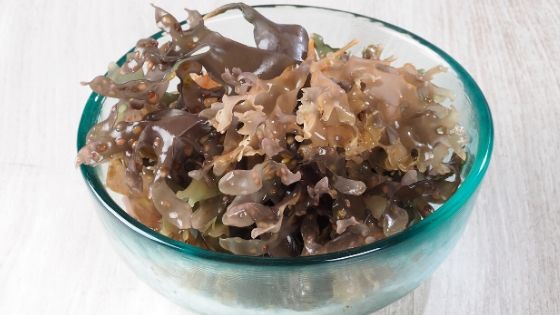
Sea moss (Chondrus crispus) contains 92 of the 102 minerals your body requires, including iodine, potassium, calcium, magnesium, zinc, iron, and selenium. This isn’t metaphorical abundance—it’s biochemical precision. Each of these minerals plays a specific role in women’s health, and sea moss delivers them in forms your body recognizes and absorbs efficiently.
Iodine and Thyroid Function
Your thyroid is the metabolic command center, regulating energy production, body temperature, mood, and hormonal balance. Sea moss delivers bioavailable iodine, the mineral your thyroid needs to synthesize thyroid hormones (T4 and T3). Women are three times more likely than men to experience thyroid dysfunction, and iodine deficiency accelerates this risk. When your thyroid runs optimally, your pituitary gland signals more efficiently to your ovaries, stabilizing estrogen and progesterone production throughout your cycle.
Iron for Energy and Hormonal Health
Women lose iron through menstruation—about 30 mg per cycle if flow is heavy. This constant loss means many of us exist in a state of mild iron depletion, manifesting as fatigue, brain fog, and reduced oxygen delivery to tissues. Sea moss contains plant-based iron (non-heme iron) that works synergistically with vitamin C in your diet to improve absorption. Beyond energy, adequate iron supports the health of your uterine lining and may reduce menstrual bleeding severity.
Magnesium influences estrogen and progesterone regulation through its role in neurotransmitter synthesis and hormonal receptor sensitivity. Research shows magnesium deficiency directly worsens PMS symptoms, mood swings, and period pain because this mineral helps regulate serotonin production and calm uterine smooth muscle contractions. Sea moss delivers approximately 14 mg of magnesium per tablespoon—not a full RDA replacement, but a meaningful contribution when paired with magnesium-rich foods.
Sea Moss Benefits Specifically for Women
Hormonal Balance Across Your Cycle
The synergistic mineral profile of sea moss supports the hormonal feedback loop that regulates your menstrual cycle. For women experiencing irregular cycles, heavy bleeding, or severe PMS, sea moss addresses root causes rather than masking symptoms:
Supports thyroid conversion: Iodine and selenium in sea moss enable conversion of T4 (storage thyroid hormone) to T3 (active form), which directly influences ovulation timing and progesterone production
Stabilizes prostaglandins: Magnesium reduces production of inflammatory prostaglandins (PGE2 and PGF2α), the compounds that cause period cramps and heavy bleeding
Regulates prolactin: Zinc in sea moss helps regulate prolactin levels; high prolactin can suppress ovulation and cause cycle irregularity
Skin, Hair, and Connective Tissue Health
Sea moss contains carrageenan, a polysaccharide that hydrates skin cells from within and supports collagen cross-linking—the structural mechanism that keeps skin firm and elastic. The high mineral content, especially zinc and sulfur, reinforces your skin barrier and may reduce inflammatory acne, particularly hormone-driven breakouts that flare during luteal phases of your cycle.
For hair, sea moss’s iodine supports healthy sebum production (preventing both dryness and excess oil), while its amino acids provide building blocks for keratin synthesis. Women experiencing postpartum hair loss, stress-induced shedding, or thinning from nutrient depletion often report visible improvement in hair density and shine within 6-8 weeks of consistent intake.
Women face a 25-35% decline in bone mineral density after menopause due to dropping estrogen levels. Sea moss delivers the mineral trio your bones need for remodeling: calcium, magnesium, and potassium. Crucially, these minerals are bioavailable—your body absorbs and utilizes them more effectively than many synthetic supplements because sea moss presents them in the context of other co-factors your cells recognize.
Gut Health and Nutrient Absorption
Sea moss is rich in prebiotic fiber and mucilage (a soothing polysaccharide compound). This creates an optimal environment for beneficial bacteria to thrive, improving the absorption of every nutrient you eat—including the iron and minerals you’re trying to increase. A healthy gut microbiome also supports the estrobolome, the network of bacteria that regulate estrogen metabolism and reabsorption, which influences hormonal balance and even mood regulation.
How to Use Sea Moss: Forms, Dosages, and Integration
Form
Daily Amount
Best For
Absorption Notes
Raw (whole pieces)
1-2 tbsp soaked daily
Budget-conscious, committed users
Highest mineral density; requires soaking
Gel
1-2 tbsp daily
Convenience, consistent intake
Best absorbed with healthy fats (blend into smoothies with almond butter)
Capsules
2-4 daily (check label)
Travel, on-the-go consistency
Often more diluted; verify mineral profile on label
Powder
1-2 tsp daily
Baking, soups, blending
Neutral flavor; mixes into any liquid
Practical Ways to Integrate Sea Moss
Morning smoothie bowls: Layer sea moss gel with fresh berries, coconut oil, and nuts. The dietary fat significantly increases mineral bioavailability by supporting fat-soluble nutrient absorption pathways.
Soups and broths: Sea moss acts as a natural thickener while infusing your meal with minerals. Add it to bone broth, vegetable soups, or warming winter stews—heat doesn’t degrade the mineral content.
Golden milk or tea: Stir powder into warm milk or turmeric tea for a mineral-boosted evening ritual. This works particularly well during your luteal phase when magnesium needs increase.
Hydration optimization: Some women dissolve a small amount of sea moss powder in their daily water bottle. This maintains steady mineral intake without adding calories or sugar.
Timing and Supplement Interactions
If you’re taking iron supplements, space sea moss intake at least 2 hours apart—both compete for absorption. Similarly, if you take calcium supplements, keep them separate from sea moss by a few hours. The ideal timing is sea moss with meals containing healthy fats, and minerals at different times.
The NutriGuide Pro-Tip: Start Low and Honor Your Body
Begin with 1 teaspoon of sea moss gel or powder daily for your first week, then gradually increase to 1-2 tablespoons. Some women experience mild digestive shifts—slightly looser stools—as their body adjusts to increased mineral and prebiotic fiber intake. This is normal and temporary. If it persists beyond a few days, reduce your amount for another week, then increase more slowly.
Quality is non-negotiable: Look for wildcrafted Irish or Jamaican sea moss tested for heavy metals—sea vegetables absorb minerals from ocean water, including contaminants. Reputable brands display third-party testing results. Avoid suspiciously inexpensive products, as they’re often diluted with synthetic additives or lower-quality seaweed species.
Sea moss isn’t a replacement for whole foods or a cure-all, but it’s a thoughtful mineral supplement that aligns with how our bodies actually work. Used consistently, it becomes the quiet foundation that supports hormonal rhythm, skin clarity, energy sustainability, and the mineral reserves your body draws from every single day.