Sea Moss for Women: Why This Oceanic Superfood Matters

When you buy through links on our site, we may earn an affiliate commission at no additional cost to you (learn more)
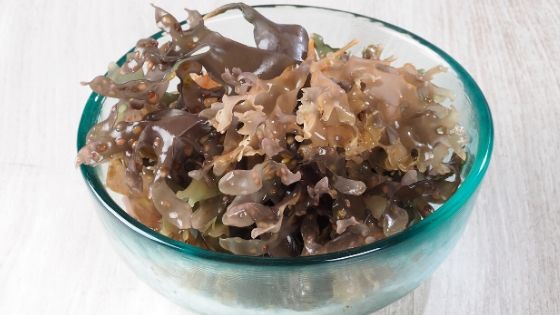
For centuries, sea moss (also called Irish moss) has been harvested along the rocky Atlantic coastlines of Europe and the Caribbean. Yet only recently has Western science begun validating what traditional healers have long understood: this humble seaweed contains a nutrient density that rivals many land-based superfoods—and for women specifically, its benefits span hormonal health, skin vitality, and metabolic function. Understanding sea moss isn’t about jumping on a trend; it’s about recognizing a food with genuine bioactive compounds that address real physiological needs.
The Science Behind Sea Moss Nutrition
Sea moss is technically a species of red algae called Chondrus crispus. What makes it noteworthy for women’s health is its micronutrient profile. A 100-gram serving contains approximately 4.9g of protein, 182 IU of vitamin A, 100mg of potassium, and measurable amounts of iodine, magnesium, zinc, and selenium—all critical for hormone production, immune function, and thyroid regulation.
The “why” here matters. Many women experience suboptimal thyroid function due to iodine deficiency, which impairs metabolism, energy production, and hormonal balance. Sea moss delivers bioavailable iodine in a form the body easily recognizes and utilizes. Unlike synthetic supplements, this iodine comes packaged with complementary minerals like selenium and zinc, which amplify thyroid hormone effectiveness.
Iodine and Thyroid Health
Your thyroid produces hormones that regulate metabolic rate, body temperature, and mood stability. When iodine intake is insufficient, thyroid function slows, often leaving women feeling fatigued or experiencing unexplained weight gain. Sea moss contains about 6.3mg of iodine per 100g—one of the highest plant-based sources available. This single nutrient can make a measurable difference, particularly for women approaching perimenopause or navigating post-pregnancy recovery.
Collagen Precursors and Connective Tissue
Sea moss contains carrageenan, a polysaccharide that acts as a precursor to collagen synthesis in the body. Collagen isn’t vanity—it’s the protein that maintains skin elasticity, supports joint flexibility, and stabilizes gut integrity. Women’s collagen production naturally declines after age 25, accelerating around menopause. By consuming sea moss, you’re providing your body with amino acids (particularly glycine, proline, and hydroxyproline) and minerals that collagen-producing fibroblasts need to function optimally.
Hormonal Balance and the Menstrual Cycle
Across the menstrual cycle, women’s nutrient needs fluctuate. During the luteal phase (post-ovulation), mineral loss through sweat and urine increases, particularly for magnesium, zinc, and iron. Sea moss covers most of these bases.
Magnesium alleviates PMS-related mood swings and muscle tension by regulating serotonin receptors and reducing norepinephrine levels. Zinc supports progesterone production and immune function during the luteal phase, when immunity naturally dips. Iron becomes particularly important if menstrual bleeding is heavy—sea moss provides a small but meaningful contribution.
The potassium in sea moss also helps regulate fluid balance, which can minimize bloating during the luteal phase. Think of it as nutritional timing: sea moss doesn’t “cure” PMS, but it removes nutritional obstacles that amplify PMS symptoms.
Skin Health and Collagen Synthesis
Women invest billions annually in skincare products that promise collagen activation. Yet collagen is built from within, and sea moss offers foundational support. The sulfur compounds in sea moss (particularly dimethyl sulfoxide, or DMSO) enhance the skin’s ability to retain moisture. Combined with iodine’s anti-inflammatory effects, sea moss users often report clearer, more radiant skin within 4–8 weeks of regular consumption.
The polysaccharides in sea moss also feed the skin’s microbiome, supporting the beneficial bacteria that prevent acne-causing inflammation. This isn’t miraculous—it’s methodical nutrient delivery to support natural skin repair mechanisms.
Gut Health Connection
Healthy skin often begins in the gut. Sea moss acts as a prebiotic, feeding beneficial bacteria and strengthening the intestinal barrier. A compromised gut barrier leads to increased intestinal permeability (“leaky gut”), which triggers systemic inflammation and skin flare-ups. By supporting gut health, sea moss indirectly supports clearer, calmer skin.
Energy, Metabolism, and Weight Management
Women’s metabolic rate is naturally lower than men’s, yet societal expectations around body composition remain high. Sea moss supports metabolic efficiency through several mechanisms:
- Thyroid function: As discussed, iodine directly improves metabolic rate and energy production.
- B vitamins: Sea moss contains trace amounts of folate and riboflavin, which support mitochondrial energy production.
- Mineral density: Magnesium, zinc, and potassium optimize enzyme function, ensuring cells extract maximum energy from the food you eat.
The result isn’t dramatic weight loss, but sustainable metabolic support that makes calorie management and consistent energy levels more achievable.
Immune Function and Seasonal Wellness
Women’s immune systems are naturally more reactive than men’s—a benefit during healthy times, but a liability during stress or seasonal illness. Sea moss contains beta-glucans and sulfated polysaccharides that train the immune system to distinguish between genuine threats and false alarms, reducing unnecessary inflammation while maintaining vigilance against pathogens.
Additionally, sea moss’s iodine content supports the production of thyroid-derived immune cells. A comprehensive micronutrient profile (zinc, selenium, magnesium) further bolsters immune resilience.
How to Use Sea Moss: Practical Integration
| Form | Daily Amount | Best Use | Benefits |
|---|---|---|---|
| Sea Moss Gel | 1–2 tbsp | Smoothies, oatmeal, drinks | Easiest to digest; smooth texture; sustained release |
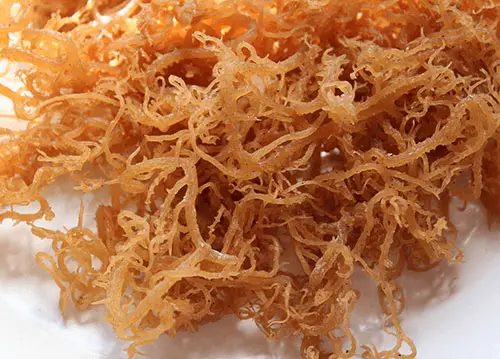
| Dried Whole Fronds | 5–10g daily | Broths, soups, teas | Highest nutrient density; minimal processing |
| Capsules/Tablets | As directed (typically 1–3) | Convenient daily supplement | Portable; consistent dosing; less taste |
| Powder | 1–2 tsp daily | Smoothies, lattes, soups | Versatile; no prep required; mixes easily |
Making Sea Moss Gel at Home
The most economical approach is purchasing dried sea moss fronds (typically $0.50–$1.50 per ounce), rinsing them thoroughly, and soaking them overnight in alkaline water. Blend with a small amount of filtered water until smooth, then refrigerate. The gel lasts 3–4 weeks and costs a fraction of pre-made versions.
Timing and Integration
Consume sea moss consistently rather than sporadically. Morning smoothies work well, as does adding it to evening broths. Consistency over quantity drives results—a daily tablespoon beats sporadic larger doses.
Potential Cautions and Considerations
Iodine sensitivity: Women with hyperthyroidism, Hashimoto’s, or Graves’ disease should consult a healthcare provider before adding iodine-rich foods. Sea moss’s iodine content can exacerbate these conditions if not carefully monitored.
Drug interactions: Sea moss may interfere with blood thinners or certain medications. If you’re on prescription drugs, mention sea moss to your healthcare provider.
Quality matters: Purchase from reputable sources. Sea moss absorbs environmental contaminants, so sourcing from tested suppliers reduces exposure to heavy metals.
Allergies: Though rare, iodine allergies exist. Start with small amounts and observe for reactions (rashes, difficulty breathing, swelling).
The NutriGuide Pro-Tip
Rather than viewing sea moss as a standalone “superfood fix,” integrate it as one pillar of comprehensive micronutrient intake. Pair sea moss with bioavailable iron sources (red meat, legumes), vitamin C–rich foods (citrus, leafy greens), and healthy fats (avocado, seeds). This synergistic approach amplifies nutrient absorption and ensures your body has the full spectrum of cofactors needed for optimal hormone balance, skin health, and metabolic function. Sea moss isn’t magic—it’s sophisticated nutrition that works best within a framework of intentional eating and lifestyle choices.