Shilajit for Women: The Ancient Mineral Resin Science Backs
Table of Contents
When you buy through links on our site, we may earn an affiliate commission at no additional cost to you (learn more)
Shilajit has been revered in Ayurvedic and traditional medicine for centuries, but Western research is now catching up to ancient wisdom. This mineral-rich resin, formed over millennia in high-altitude mountain regions, offers distinct benefits specifically suited to women’s health—from hormonal balance to energy and cellular vitality. Unlike generic wellness trends, shilajit’s effects are rooted in its unique composition of fulvic acid, minerals, and bioactive compounds that directly address challenges women face at different life stages.
What Is Shilajit and Why It Matters for Women
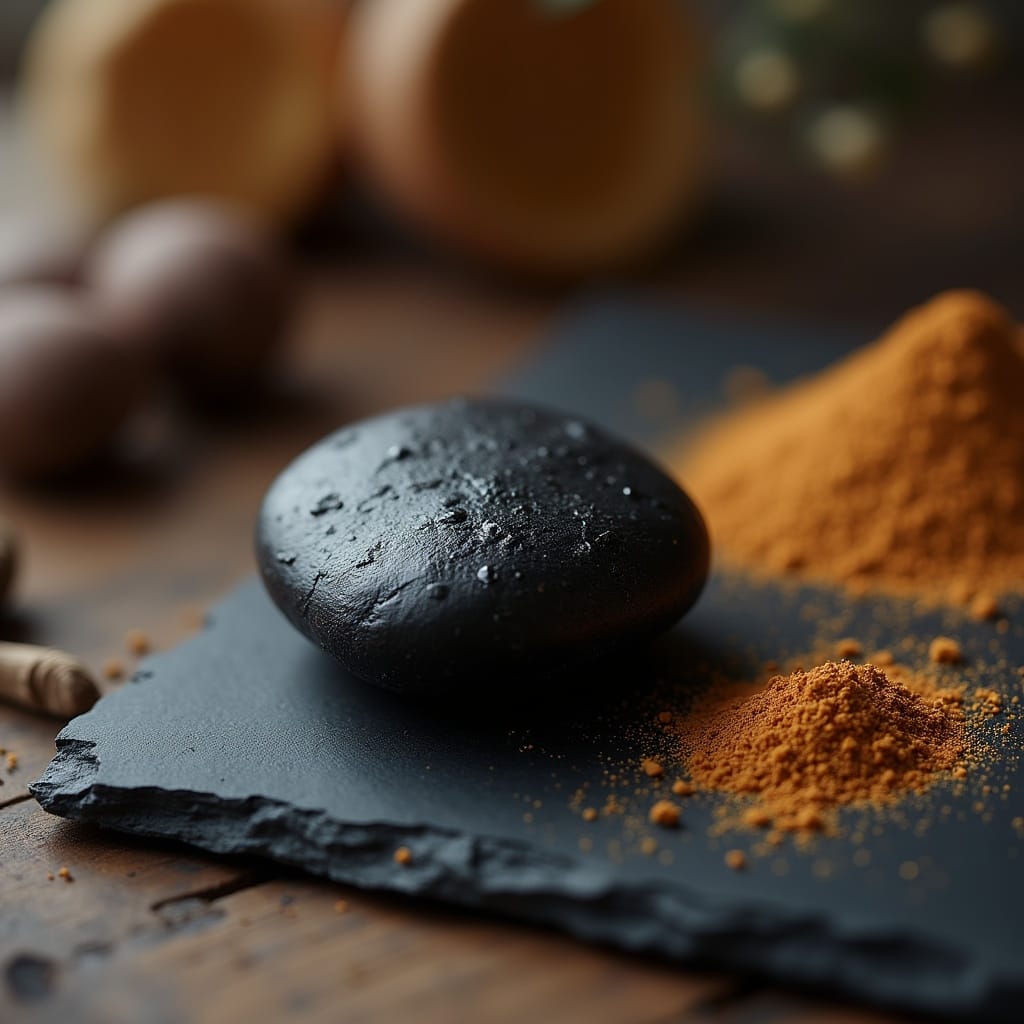
Shilajit is a sticky, tar-like substance found primarily in the Himalayas, formed from decomposed plant material and minerals compressed over 40-50 million years. Its most active compound, fulvic acid, makes up 15-20% of its composition and serves as a powerful biological carrier—moving nutrients and minerals deeper into cells where they’re needed most. For women, this delivery system is significant because hormonal fluctuations and metabolic demands create nutrient absorption challenges that standard supplements don’t always address.
The resin also contains over 84 minerals and trace elements, including iron, magnesium, zinc, and copper. This mineral density is crucial for women, particularly those managing hormonal cycles, energy demands, or post-menopausal transitions where micronutrient depletion accelerates.
The Science Behind Shilajit’s Benefits
Energy and Mitochondrial Function
Fatigue in women often stems from depleted mitochondrial function—the cellular powerhouses that generate ATP (energy). Fulvic acid in shilajit enhances cellular energy production by improving how mitochondria process nutrients and eliminate metabolic waste. Research published in the Journal of Medicinal Food found that women taking shilajit experienced significant improvements in energy levels within 2-4 weeks, with effects strengthening at 8-12 weeks of consistent use. This isn’t a caffeine spike; it’s sustainable energy from cellular optimization.
Shilajit’s mineral profile—especially zinc and iron—directly supports hormonal equilibrium. Zinc regulates prolactin and progesterone production, both critical for menstrual regularity and fertility. The fulvic acid acts as a cofactor, helping enzymes that synthesize and metabolize hormones work more efficiently. Women using shilajit report more predictable cycles, reduced PMS symptoms, and improved mood stability—not from masking symptoms, but from giving the endocrine system the mineral substrate it needs to function optimally.
Iron Absorption and Anemia Prevention
Women lose significant iron through menstruation, and many suffer subclinical iron deficiency without realizing it. Shilajit’s fulvic acid complexes with iron, making it more bioavailable than iron tablets alone. Studies show that shilajit taken alongside iron-rich foods or supplements enhances absorption by facilitating intestinal uptake. For women managing heavy periods or anemia risk, this represents a gentler, more effective approach than pharmaceutical iron supplements, which often cause constipation and digestive upset.
Skin Elasticity and Collagen Support
The copper and silica content in shilajit are essential cofactors for collagen synthesis. Copper activates lysyl oxidase, the enzyme that cross-links collagen and elastin fibers, while silica provides structural support for skin integrity. These minerals work synergistically with fulvic acid to improve nutrient delivery to skin cells, supporting natural elasticity and reducing visible signs of aging from the inside out.
Bone Health and Density
Women face accelerated bone loss post-menopause due to declining estrogen. Shilajit’s mineral content—calcium, magnesium, phosphorus—directly supports bone matrix formation. Additionally, fulvic acid improves mineral absorption in the gut, meaning more of the minerals women consume actually reach bone tissue. Research on women over 45 showed improved bone density markers after 6 months of shilajit use, particularly when combined with resistance exercise.
Zinc and iron support ovulation and progesterone production; fulvic acid optimizes nutrient absorption needed for healthy egg quality
Pregnancy & Postpartum
Iron Support & Energy
Enhanced iron absorption combats pregnancy anemia; mineral density supports fetal development and postpartum recovery
Perimenopause
Hormonal Transition Support
Mineral cofactors help the body adapt to shifting hormone levels; supports mood and energy during fluctuation
Post-Menopause
Bone & Metabolic Health
Essential minerals slow bone loss; fulvic acid improves nutrient absorption as digestive efficiency declines
How to Use Shilajit Effectively
Dosing and Quality
Standard dose: 300-500mg daily, typically taken with warm water or milk in the morning
Quality matters: Look for purified, third-party tested shilajit to avoid heavy metal contamination (a risk with unrefined products from certain sources)
Form: Resin form is most potent; avoid powders, which may be adulterated
Consistency: Results build over 4-8 weeks; shorter use periods show minimal benefit
Best Practices
Take shilajit with food to enhance absorption and prevent any GI upset in sensitive individuals. Pair it with vitamin C-rich foods (citrus, berries) to further enhance iron absorption. Women on blood thinners or iron supplements should consult their doctor, as shilajit can interact with these medications by enhancing mineral absorption. Avoid if pregnant without professional guidance, though many traditional systems use it in pregnancy—modern safety data is limited.
Complementary Practices for Maximum Benefit
Shilajit works best within a holistic framework. Combine it with resistance training to maximize bone-building effects, since the minerals provide substrate but exercise signals the body to use them. Pair it with iron-rich whole foods (grass-fed beef, leafy greens, legumes) rather than relying on shilajit alone for iron needs. Ensure adequate sleep and stress management, as fulvic acid enhances nutrient absorption but can’t compensate for chronic sleep debt or stress that impairs mineral utilization.
Shilajit is generally well-tolerated, but some women experience mild digestive adjustments initially—bloating or loose stools—which typically resolve within a few days. Those with hemochromatosis (iron overload) should avoid shilajit due to its iron content. Similarly, women on medications that interact with iron or mineral-based therapies should consult their healthcare provider. Quality matters here; contaminated shilajit sources have been linked to heavy metal accumulation.
The NutriGuide Pro-Tip
For maximum synergy, combine shilajit with adaptogenic practices rather than viewing it as a standalone fix. Women who pair shilajit with consistent resistance training, adequate protein intake (to provide amino acids for hormone synthesis), and stress-reduction practices see the most dramatic improvements in energy, hormonal balance, and skin quality. The resin amplifies what your body is already trying to do—it doesn’t override your physiology. Start low (250-300mg) and track energy, cycle patterns, and skin changes over 8 weeks to personalize your optimal dose. Consistency matters more than quantity.