Chasteberry: The Herb Women Trust for Cycle Balance
Table of Contents
When you buy through links on our site, we may earn an affiliate commission at no additional cost to you (learn more)
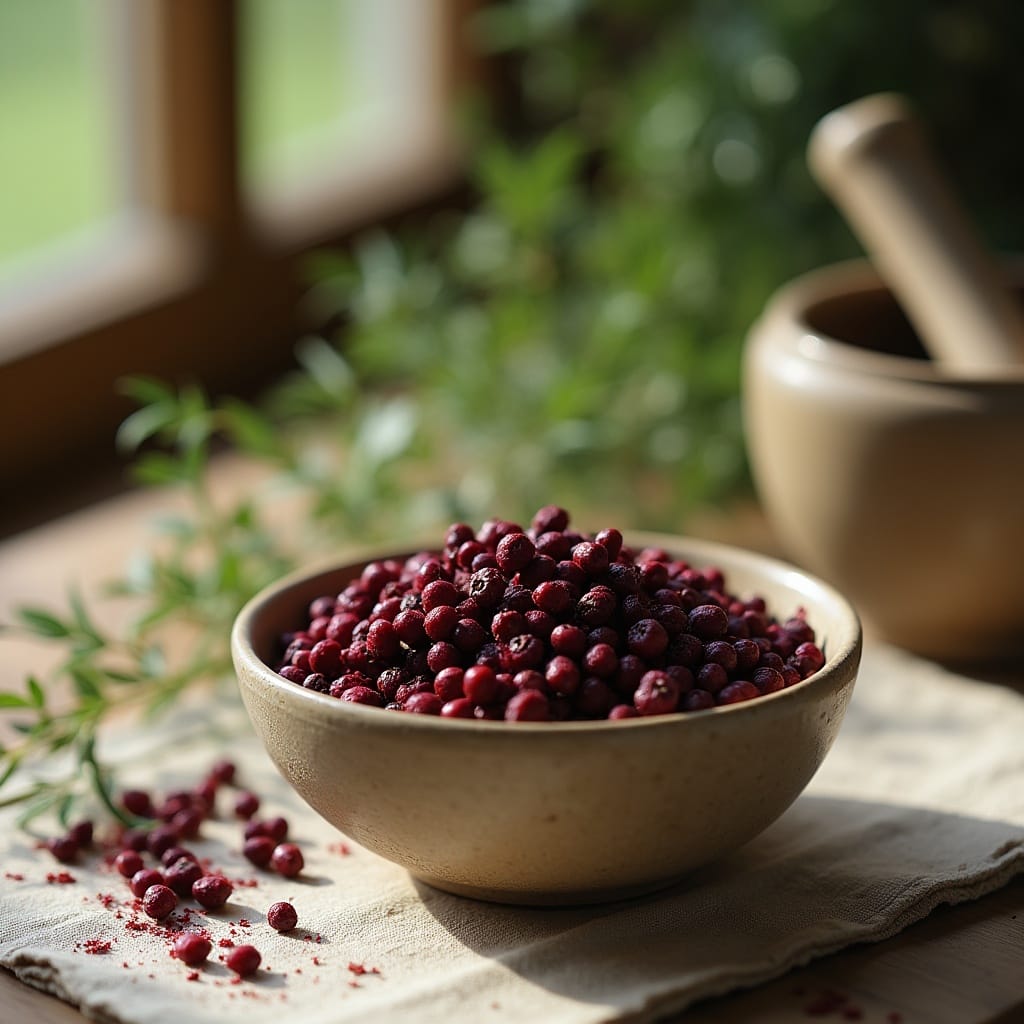
Chasteberry—also known as Vitex agnus-castus—has been used for over 2,000 years in traditional medicine, particularly for hormonal balance and menstrual health. Modern science is catching up to what women have known for centuries: this small, dark berry may hold the key to managing frustrating cycle irregularities and PMS symptoms. Unlike hormonal treatments, chasteberry works by supporting your body’s own regulatory systems, not overriding them.
The Science Behind Chasteberry’s Effects
Chasteberry doesn’t contain hormones itself—this is crucial. Instead, it influences the pituitary gland, the master control center of your endocrine system. The active compounds in chasteberry (iridoid glycosides, flavonoids, and essential oils) stimulate dopamine receptors in your brain, which in turn suppresses prolactin secretion. Prolactin is a hormone that, when elevated, can disrupt your luteal phase and trigger PMS symptoms like breast tenderness, mood swings, and water retention.
When prolactin levels normalize, your body produces more progesterone in the second half of your cycle. This is the shift that often brings relief. Studies published in the American Journal of Obstetrics and Gynecology show that women taking chasteberry extracts experienced a 42% reduction in PMS symptoms compared to 21% in the placebo group. This isn’t about forcing change—it’s about giving your endocrine system what it needs to find its own balance.
Key Benefits for Menstrual and Hormonal Health
PMS Symptom Relief
Breast tenderness, bloating, irritability, and emotional sensitivity can dominate the luteal phase. Chasteberry addresses these from the root cause: elevated prolactin. Women typically notice improvement in mood-related symptoms first, often within 2–3 cycles of consistent use. Physical symptoms like bloating tend to follow. The key is consistency—chasteberry requires sustained use because it’s gently supporting your pituitary function, not delivering an immediate dose of something artificial.
Whether your cycles are too short, too long, or frustratingly unpredictable, chasteberry helps by stabilizing the luteal phase. A longer, more consistent luteal phase means more predictable periods. This has profound effects for anyone trying to understand their fertility window, plan around their cycle, or simply feel less at the mercy of hormonal chaos.
Low Progesterone Support
Low progesterone is linked to short luteal phases (fewer than 12 days), light periods, and mood issues. By promoting the prolactin suppression that allows progesterone production to flourish, chasteberry indirectly supports stronger progesterone levels. This benefit often becomes visible in improved sleep, better mood stability, and more consistent menstruation.
Fertility Support
Many women exploring conception use chasteberry as part of a foundational approach to cycle health. The hormone balance it supports creates better conditions for pregnancy: stable ovulation timing, adequate luteal phase length, and proper progesterone support. It’s not a fertility treatment, but it removes obstacles to natural conception.
What the Research Shows
Study Focus
Sample Size
Duration
Results
PMS Symptom Reduction
170 women
3 cycles
42% symptom reduction vs. 21% placebo
Prolactin Normalization
52 women
6 months
68% achieved normal prolactin levels
Luteal Phase Extension
38 women
3 cycles
Average 2.5-day increase in luteal length
Cycle Regularity
96 women
6 months
73% achieved regular 26–32 day cycles
How to Use Chasteberry Effectively
Dosage and Form
Chasteberry comes as a liquid extract, capsule, or tincture. The most studied form is a standardized extract. Common dosing ranges from 160–240 mg per day of concentrated extract, or 40–80 drops of liquid extract. The key is to choose a form and dose, then stick with it for at least three full cycles before expecting noticeable changes.
For PMS and cycle regulation, chasteberry is taken continuously throughout your cycle—not cyclically, not just before your period. This consistency allows the pituitary to gradually adjust dopamine receptor activity. Many women take it in the morning with food for better absorption and easier compliance.
Timeline for Results
Cycle 1: You may notice subtle changes in energy or mood stability, though this is individual.
Cycles 2–3: PMS mood symptoms often improve noticeably; physical symptoms typically lag slightly behind.
Cycles 4–6: Full benefits on cycle regularity and menstrual flow become evident. Many women see cycle length stabilize and PMS dramatically reduce.
Patience is important. Chasteberry is slow, gentle support—not a quick fix. But this also means it works with your body rather than against it.
Who Should Consider Chasteberry
Excellent candidates: Women with PMS symptoms, irregular cycles, short luteal phases, or elevated prolactin levels confirmed by bloodwork. If you’re exploring conception or simply want to understand your cycle better, chasteberry is a sensible foundational herb.
Those who should check with a provider first: Women on hormonal birth control, antipsychotic medications, or those with a history of estrogen-sensitive conditions should discuss chasteberry with their healthcare provider. It works through hormonal pathways, so layering it with synthetic hormones requires guidance. Similarly, if you have a dopamine-related condition, consult your doctor.
The NutriGuide Pro-Tip
Chasteberry works best when your nutritional foundation is solid. Pair it with cycle syncing your nutrition: increase iron-rich foods during menstruation, emphasize omega-3s during the follicular phase to support estrogen metabolism, and eat magnesium-rich foods (pumpkin seeds, dark leafy greens) during the luteal phase to manage serotonin and reduce PMS. When you address hormone balance from multiple angles—supplemental support, nutrient timing, and lifestyle—that’s when real transformation happens. Think of chasteberry as the cornerstone, not the whole structure.