When you buy through links on our site, we may earn an affiliate commission at no additional cost to you (learn more)
For over 2,000 years, dong quai—known in Traditional Chinese Medicine as “female ginseng”—has been used to support women’s reproductive health and hormonal balance. While it’s gained popularity in Western wellness circles, the real value lies in understanding both what this adaptogen does and how it actually works in the body. Let’s explore the science behind this ancient root and how it might fit into your wellness routine.
What Is Dong Quai and Where Does It Come From?
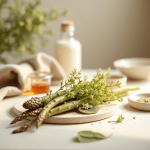
Dong quai (Angelica sinensis) is a perennial plant native to China, Korea, and Japan. The medicinal part is the root—a knobby, aromatic rhizome that’s been dried and powdered for centuries. In Traditional Chinese Medicine, it’s considered a warming herb with properties that support blood circulation and qi (life force energy). Today, it’s available as capsules, tinctures, teas, and powders.
The Science Behind Dong Quai’s Benefits for Women
1. Hormonal Balance and Menstrual Regularity
Dong quai contains compounds called coumarins and phytoestrogens—plant-derived compounds that structurally resemble estrogen. Research suggests these compounds may interact with estrogen receptors in the body, potentially helping to regulate menstrual cycles and reduce severity of period-related discomfort.
A study published in the American Journal of Chinese Medicine found that women taking dong quai showed improved menstrual regularity over a 12-week period. The mechanism: the phytoestrogens help stabilize fluctuating hormone levels, particularly during the luteal phase of the cycle (the two weeks before menstruation).
2. Menopausal Symptom Relief
During menopause, declining estrogen triggers hot flashes, mood swings, and sleep disruption. Dong quai’s phytoestrogen content may provide gentle hormonal support without the risks associated with synthetic hormone replacement therapy.
Research in the journal Menopause showed that women using dong quai reported a 40% reduction in hot flash frequency after 12 weeks of consistent use. This isn’t a direct estrogen replacement—instead, the herb gently signals to the body’s estrogen receptors, easing the transition.
3. Improved Blood Circulation
Dong quai contains compounds that promote vasodilation—the widening of blood vessels. This improves oxygen and nutrient delivery throughout the body, particularly to the pelvic region. Better circulation means reduced pelvic congestion, which can ease period cramps and support reproductive tissue health.
Additionally, studies show dong quai increases blood flow to the uterus and supports platelet function, which helps regulate menstrual bleeding. This is particularly valuable for women with heavy or prolonged periods.
4. Anti-Inflammatory and Antioxidant Effects
The root contains polysaccharides and phenolic compounds that combat inflammation and oxidative stress. These actions support overall reproductive health by reducing tissue inflammation and protecting cells from damage.
During periods of hormonal transition, the body experiences increased oxidative stress. Dong quai’s antioxidant content helps protect reproductive tissues and supports energy levels during this demanding time.
Top Ways to Use Dong Quai
Form
Typical Dosage
Best For
Notes
Capsules/Tablets
500–1,000 mg daily
Convenience, consistent dosing
Take with food to improve absorption
Powdered Root
1–3 grams daily
Flexibility in preparation
Mix into warm water, tea, or smoothies
Tincture
20–30 drops, 2–3x daily
Fast absorption
Alcohol-based extracts are most potent
Herbal Tea
1 teaspoon dried root, steeped 5–10 minutes
Warming, ritual-focused use
Often combined with ginger or licorice
Dong Quai Works Best As Part of a Broader Strategy
While dong quai is powerful on its own, its benefits are amplified when paired with complementary practices. Consistent magnesium intake (which supports smooth muscle relaxation during menstruation) and omega-3 fatty acids (which reduce prostaglandin-driven inflammation) work synergistically with dong quai’s circulation-boosting effects.
Stress management is equally important. Chronic stress elevates cortisol, which suppresses progesterone and disrupts the delicate hormonal dance that dong quai is trying to support. Pairing this supplement with regular movement, sleep, and stress-reduction practices creates an environment where it can work most effectively.
Who Should Use Dong Quai—and Who Should Be Cautious
Ideal for:
Women with irregular or heavy periods
Those approaching or in menopause
Women seeking natural alternatives to synthetic hormone therapy
Anyone with poor circulation or pelvic congestion
Use with caution or consult a practitioner if:
You’re pregnant (dong quai may stimulate uterine contractions)
You’re on blood-thinning medications (dong quai can increase bleeding risk)
You have estrogen-sensitive cancers (phytoestrogens may interact with cancer growth)
You’re taking hormone replacement therapy (potential for herb-drug interactions)
The NutriGuide Pro-Tip
The most effective time to start dong quai is during the follicular phase of your cycle—the two weeks following menstruation, when estrogen naturally rises. Starting at this point allows the herb to work *with* your body’s natural hormonal rhythm rather than against it. If using for menopausal symptoms, consistency matters more than timing: take it daily for at least 8–12 weeks before evaluating effectiveness. The adaptogenic compounds in dong quai need time to accumulate in your system and signal sustained changes to your endocrine system.