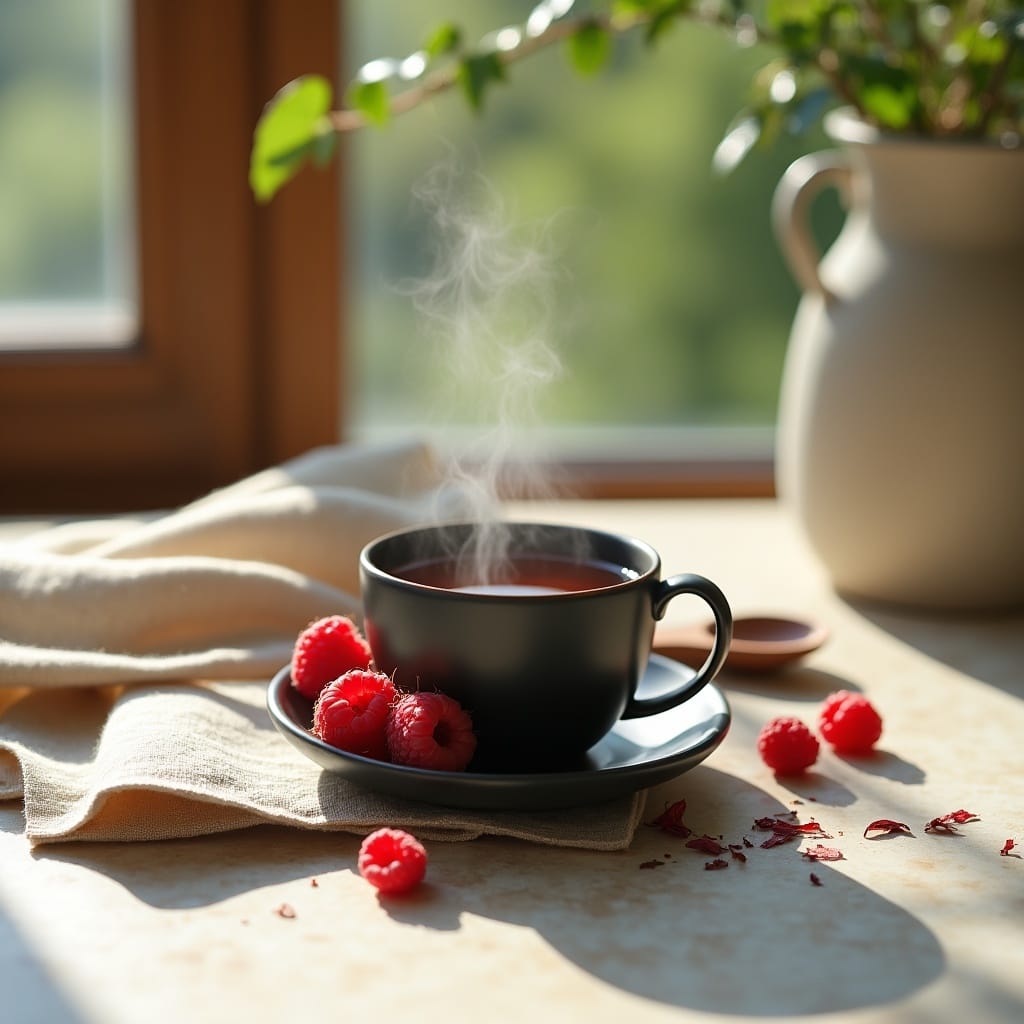
Red Raspberry Leaf Tea Benefits for Women: The Complete Guide
Table of Contents
When you buy through links on our site, we may earn an affiliate commission at no additional cost to you (learn more)
When we think of nature’s gentle remedies for women’s wellness, red raspberry leaf tea stands out as one of the most cherished herbal allies. This aromatic tea, brewed from the leaves of Rubus idaeus, has been supporting women’s health for centuries with its unique blend of nutrients and bioactive compounds.
The Science Behind Red Raspberry Leaf Tea
Red raspberry leaf tea’s therapeutic effects stem from its impressive nutritional profile and specific plant compounds. The leaves contain high levels of fragarine, an alkaloid that specifically targets the muscles of the pelvic region and uterus. This compound works by strengthening and toning smooth muscle tissue, which explains why traditional herbalists have long recommended it for reproductive health support.
The tea is also rich in vitamins C, E, and K, along with essential minerals like iron, magnesium, potassium, and calcium. These nutrients work synergistically to support overall cellular health and hormonal balance. Research shows that the antioxidant compounds, including ellagic acid and quercetin, help combat oxidative stress that can disrupt normal reproductive function.
What makes red raspberry leaf particularly special is its tannin content. These astringent compounds provide the tea’s slightly bitter taste and contribute to its ability to strengthen tissues and reduce inflammation throughout the body.
Top Benefits for Women’s Health
Menstrual Cycle Support
Many women find red raspberry leaf tea helpful for managing menstrual discomfort. The fragarine compound helps relax uterine muscles while simultaneously strengthening them, creating a balanced effect that may reduce cramping intensity. The iron content also supports healthy blood levels during menstruation, helping combat the fatigue that often accompanies monthly cycles.
Regular consumption may help regulate cycle length and flow intensity. The tea’s mild diuretic properties can also help reduce bloating and water retention that many women experience during their cycle.
Pregnancy and Birth Preparation
Perhaps most famously, red raspberry leaf tea is valued for its potential role in preparing the uterus for labor. The fragarine alkaloid is believed to help tone the uterine muscles, potentially making contractions more effective during labor. However, most midwives and healthcare providers recommend starting consumption only in the third trimester to avoid any potential early stimulation.
The tea’s high mineral content supports the increased nutritional demands of pregnancy, particularly for iron and calcium. Its gentle nature makes it a suitable alternative to caffeinated beverages for expectant mothers seeking a warm, comforting drink.
Postpartum Recovery
After delivery, red raspberry leaf tea may support the uterus as it returns to its pre-pregnancy size through a process called involution. The astringent tannins help tissues contract and heal, while the nutritional support aids overall recovery. Many lactating mothers also find it supports healthy milk production, though more research is needed to confirm this traditional use.
Hormonal Balance Support
The tea’s complex nutrient profile may help support the endocrine system’s natural balance. The combination of minerals, particularly magnesium and calcium, plays crucial roles in neurotransmitter function and hormonal regulation. Some women report improved mood stability and reduced PMS symptoms with regular consumption.
Digestive Wellness
The astringent properties of red raspberry leaf tea can be particularly soothing for digestive issues. The tannins help tighten and tone digestive tissues, potentially reducing inflammation and supporting healthy bowel function. This gentle astringency may be especially beneficial for women experiencing digestive sensitivity during hormonal fluctuations.
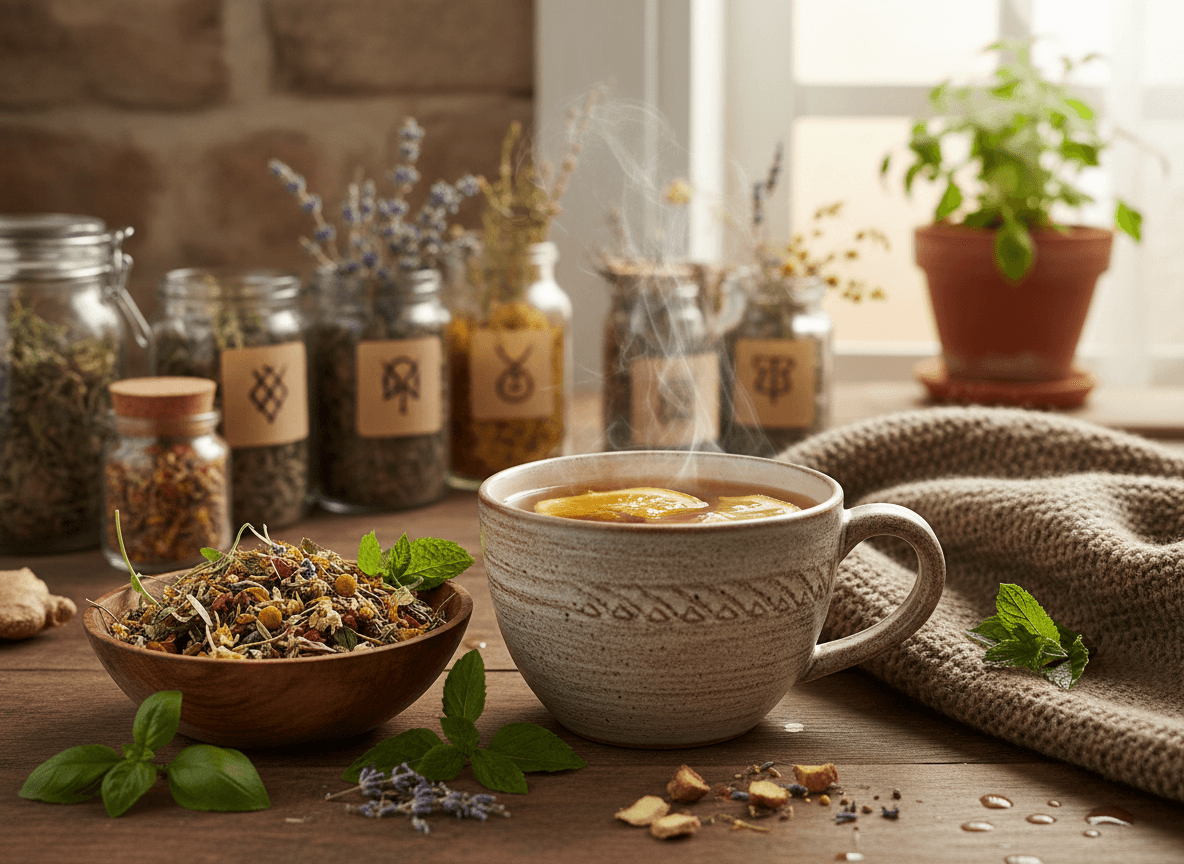
Hot Infusion: Use 1-2 teaspoons of dried leaves per cup of boiling water. Steep for 10-15 minutes to extract the full range of beneficial compounds. The longer steeping time allows the fragarine and tannins to fully release into the water.
Cold Brew: For a mellower flavor, try cold brewing 2-3 tablespoons of leaves in a quart of cold water for 6-8 hours. Strain and enjoy chilled with a touch of honey if desired.
Herbal Blends: Red raspberry leaf pairs beautifully with nettle leaf, chamomile, or spearmint for custom wellness blends tailored to your needs.
Dosage and Timing
For general wellness support, 1-3 cups daily is typically well-tolerated. Many herbalists suggest starting with one cup daily and gradually increasing as your body adjusts. For pregnancy support, always consult with your healthcare provider before beginning any herbal regimen.
The tea can be enjoyed throughout the day, though some women prefer it in the morning for its gentle energizing effect or in the evening as part of a calming routine.
Quality and Sourcing Considerations
The therapeutic benefits of red raspberry leaf tea depend heavily on quality sourcing. Look for organic, sustainably harvested leaves from reputable suppliers who can provide information about their growing and processing methods. The leaves should appear vibrant green with a fresh, slightly sweet aroma when properly dried and stored.
Avoid products that have been sitting on shelves for extended periods, as the active compounds can degrade over time. Store your tea in an airtight container away from light and heat to preserve potency.
Red raspberry leaf tea is generally considered safe for most women when consumed in moderate amounts. However, those with hormone-sensitive conditions should consult healthcare providers before regular use. Pregnant women should particularly seek guidance, as timing and dosage recommendations vary among practitioners.
Some people may experience mild stomach upset when first introducing the tea, especially if consumed on an empty stomach. Starting with smaller amounts and gradually increasing typically resolves any initial sensitivity.
The NutriGuide Pro-Tip
Create your own “Women’s Wellness Blend” by combining equal parts red raspberry leaf, nettle leaf, and chamomile flowers. This combination provides the uterine support of red raspberry leaf, the mineral density of nettle, and the calming properties of chamomile. Prepare a large batch and store in an airtight container for convenient daily brewing. This blend is particularly nourishing during times of hormonal transition and can be enjoyed hot or cold depending on your preference and the season.