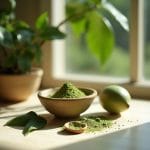
Guava Leaf Tea Benefits: The Science Behind This Tropical Wellness Secret

When you buy through links on our site, we may earn an affiliate commission at no additional cost to you (learn more)
Sipping on a warm cup of guava leaf tea might feel like an exotic indulgence, but this tropical brew packs serious wellness potential backed by compelling research. Made from the tender leaves of the guava tree (Psidium guajava), this naturally caffeine-free herbal tea has been quietly revolutionizing how we think about blood sugar management, digestive health, and inflammation control. Let’s explore why nutrition experts are increasingly recommending this gentle yet powerful botanical ally for everyday wellness.
The Science Behind Guava Leaf Tea’s Health Benefits
What makes guava leaves so remarkable lies in their impressive array of bioactive compounds that work synergistically to support our body’s natural healing processes. The primary players include quercetin, catechins, gallic acid, and ellagic acid—powerful antioxidants that give this tea its therapeutic edge.
Research published in the Journal of Nutritional Science reveals that guava leaves contain up to 18% tannins by dry weight, which explains their natural astringent properties and ability to support digestive health. These tannins work by binding to proteins in the digestive tract, creating a protective barrier that can help calm inflammation and reduce unwanted microbial growth.
The leaves also contain significant amounts of vitamin C—sometimes even higher concentrations than the fruit itself—along with flavonoids like myricetin and apigenin that enhance the tea’s antioxidant capacity. This unique combination creates what researchers call a “synergistic effect,” where the compounds work together more effectively than they would individually.
Blood Sugar Support Through Natural Mechanisms
One of guava leaf tea’s most studied benefits involves its ability to help maintain healthy blood sugar levels through several fascinating mechanisms. The tea contains compounds that inhibit alpha-glucosidase, an enzyme responsible for breaking down complex carbohydrates into simple sugars.
A landmark study in the Nutrition & Metabolism journal found that participants who drank guava leaf tea with meals experienced significantly slower glucose absorption compared to those who didn’t. This “carb-blocking” effect happens because certain flavonoids in the leaves literally compete with carbohydrates for absorption sites in the small intestine.
Additionally, guava leaf compounds appear to enhance insulin sensitivity at the cellular level. The quercetin and catechins help muscle cells become more responsive to insulin, allowing for more efficient glucose uptake without requiring higher insulin production from the pancreas.
Digestive Wellness and Gut Health Support
The traditional use of guava leaves for digestive issues turns out to have solid scientific backing. The antimicrobial properties of compounds like psidiumin and lectin help maintain a healthy balance of gut bacteria while supporting the intestinal barrier.
Research demonstrates that guava leaf extracts can inhibit the growth of harmful bacteria like E. coli and Salmonella while promoting beneficial bacteria growth. This selective antimicrobial action makes it particularly valuable for supporting digestive recovery after illness or antibiotic treatment.
The anti-inflammatory compounds also help soothe the intestinal lining, potentially reducing symptoms like bloating and discomfort. Many people find that incorporating guava leaf tea into their routine helps promote more regular, comfortable digestion.
Top Ways to Maximize Guava Leaf Tea Benefits
Optimal Brewing for Maximum Potency
The Fresh Leaf Method: If you have access to fresh guava leaves, use 8-10 young, tender leaves per cup of water. Crush them slightly to release compounds, then steep in just-below-boiling water (190-200°F) for 10-15 minutes. The longer steeping time allows for maximum extraction of beneficial tannins and flavonoids.
Dried Leaf Preparation: Use 1 teaspoon of dried guava leaves per cup of water. Steep for 5-8 minutes in hot water, covering the cup to prevent volatile compounds from escaping. The tea should develop a light golden color with a mildly astringent, earthy flavor.
Cold Brewing for Sensitive Stomachs: Some people find hot guava leaf tea too strong initially. Try cold brewing by soaking 2 teaspoons of dried leaves in room temperature water for 4-6 hours, then straining. This gentler extraction method still provides benefits while being easier on the digestive system.
Strategic Timing for Different Health Goals
| Health Goal | Best Timing | Why It Works |
|---|---|---|
| Blood Sugar Support | 30 minutes before meals | Primes digestive enzymes for optimal carb processing |
| Digestive Support | After meals | Helps with digestion and reduces post-meal inflammation |
| General Wellness | Between meals | Maximizes antioxidant absorption without food interference |
| Sleep Support | 1 hour before bed | Caffeine-free; may help reduce evening inflammation |
Quality Selection and Storage Tips
When purchasing dried guava leaves, look for organic sources that specify the botanical name Psidium guajava. The leaves should have a greenish-brown color and retain some flexibility rather than being completely brittle. Avoid leaves that appear moldy, excessively dark, or have an off smell.
Store dried guava leaves in an airtight container away from light and moisture. Properly stored leaves maintain their potency for up to 18 months. For fresh leaves, use within 2-3 days of harvesting, storing them in the refrigerator wrapped in slightly damp paper towels.
Consider rotating your supply every 6 months to ensure you’re getting maximum therapeutic benefit from fresh compounds. Many specialty tea shops now carry high-quality guava leaf products, making this traditional remedy more accessible than ever.
Potential Considerations and Interactions
While guava leaf tea is generally considered safe for most people, its blood sugar-lowering effects mean those taking diabetes medications should consult with their healthcare provider before regular use. The compounds can enhance the effects of diabetes medications, potentially leading to blood sugar levels that drop too low.
Some people may experience mild digestive upset when first introducing guava leaf tea, especially if consuming strong preparations on an empty stomach. Starting with weaker brews and gradually increasing strength can help minimize this adjustment period.
The high tannin content means guava leaf tea can interfere with iron absorption when consumed with iron-rich foods or supplements. Space consumption at least 2 hours apart from iron sources if you’re addressing iron deficiency.
The NutriGuide Pro-Tip
Create a “Tropical Wellness Ritual” by combining guava leaf tea with complementary practices that amplify its benefits. Try this approach: Brew your tea 30 minutes before your largest meal of the day, add a squeeze of fresh lime (the vitamin C enhances antioxidant absorption), and spend those 30 minutes doing gentle stretching or meditation.
This ritual works because the pre-meal timing optimizes blood sugar benefits, the lime addition boosts bioavailability of beneficial compounds, and the mindful preparation enhances the stress-reducing effects. Many of our readers find that this simple combination becomes a cornerstone of their daily wellness routine, providing both physiological benefits and a meaningful pause in busy days.
Remember, consistency matters more than intensity with guava leaf tea. A moderate cup enjoyed mindfully each day will provide more lasting benefits than sporadic consumption of stronger preparations. Start small, stay consistent, and let this gentle botanical ally support your journey toward optimal wellness.