Chia Seeds for Women: Hormone Balance & Natural Energy
Table of Contents
When you buy through links on our site, we may earn an affiliate commission at no additional cost to you (learn more)
Chia seeds have become a wellness staple, and for good reason—they’re packed with nutrients that address specific health needs women often face. From hormonal balance to stable energy and digestive support, these tiny powerhouses offer big benefits backed by solid nutrition science. Here’s what makes chia seeds so effective for women’s health and how to make them work for you.
The Science Behind Chia Seeds & Women’s Health
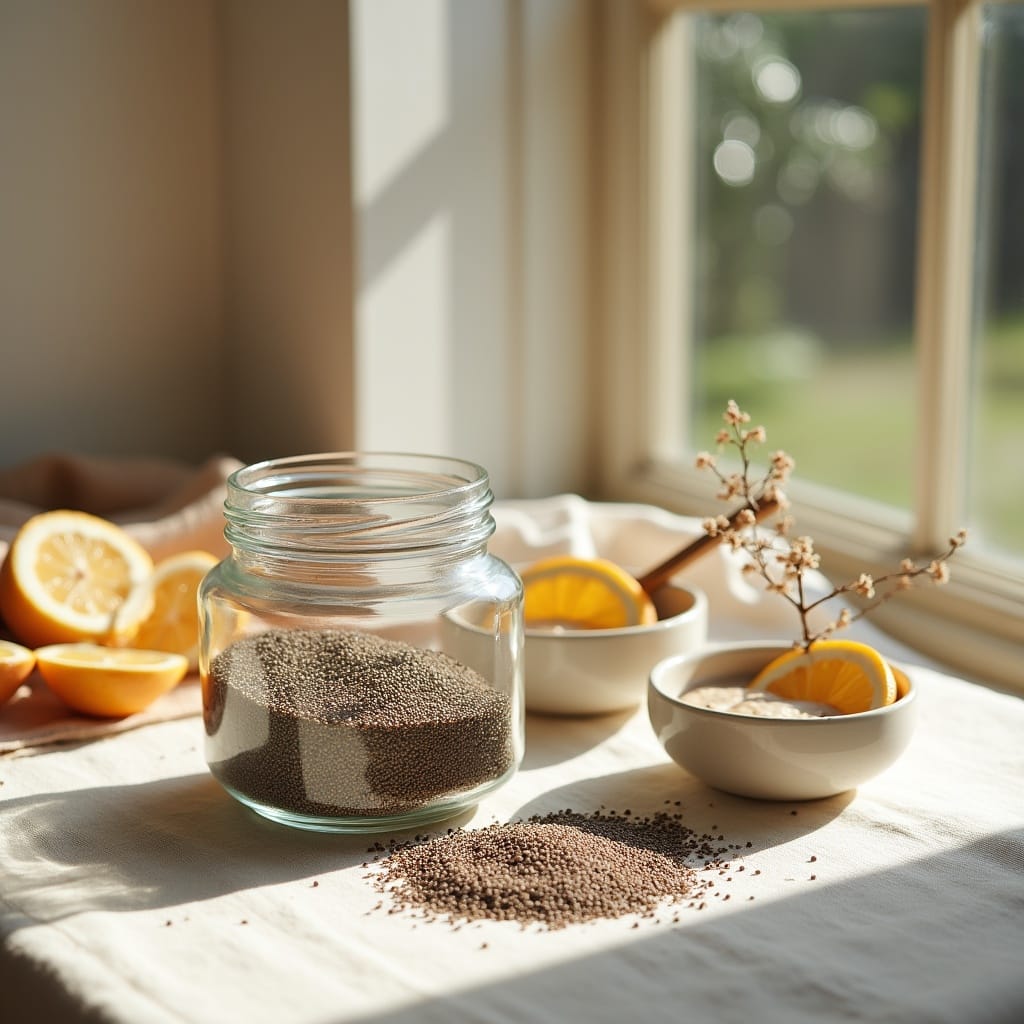
Chia seeds (Salvia hispanica) are nutrient-dense sources of omega-3 fatty acids, fiber, protein, and minerals that work synergistically to support hormonal function and overall wellness. Three tablespoons of chia seeds contain approximately 10 grams of fiber, 5 grams of protein, and 3 grams of plant-based omega-3s (alpha-linolenic acid).
How They Support Hormone Balance
The omega-3 fatty acids in chia seeds reduce inflammatory markers that can disrupt hormone production. When inflammation decreases, your body has an easier time maintaining stable estrogen and progesterone levels—crucial for managing PMS symptoms, irregular cycles, and menopausal transitions.
Additionally, chia seeds contain lignans (plant compounds with weak estrogenic activity) that may help regulate estrogen metabolism, particularly during perimenopause and menopause. Research suggests that lignans help modulate excess estrogen while supporting the body’s natural hormonal rhythm.
Blood Sugar Stability & Energy
The soluble fiber in chia seeds slows down carbohydrate absorption, preventing the blood sugar spikes and crashes that leave you exhausted mid-afternoon. This steady glucose release maintains consistent energy and reduces cravings—especially beneficial for women managing energy demands throughout their menstrual cycle.
When blood sugar remains stable, cortisol (your stress hormone) doesn’t spike unnecessarily. Lower cortisol levels support better sleep, clearer skin, and more predictable mood patterns.
Magnesium deficiency is linked to PMS severity, cramping, and mood swings. The magnesium in chia seeds helps relax muscles, reducing period pain and the muscle tension that often accompanies the luteal phase of your cycle.
The anti-inflammatory omega-3s also reduce prostaglandin production—the hormones responsible for period cramping. Women who regularly consume omega-3s report milder symptoms and shorter duration of discomfort.
2. Supports Bone Health
Women lose bone density faster than men, especially after 40. Chia seeds provide bioavailable calcium and boron, minerals critical for maintaining bone matrix integrity. The magnesium in chia seeds also helps your body absorb and utilize calcium more efficiently.
For women concerned about osteoporosis, chia seeds work best when paired with vitamin D and regular weight-bearing exercise—but they provide a nutritional foundation that matters.
3. Aids Digestive & Hormonal Health
Fiber is essential for the estrobolome—the bacteria in your gut that help metabolize and reabsorb estrogen. When you consume adequate fiber from foods like chia seeds, you support healthy estrogen levels and reduce the risk of estrogen dominance (linked to heavy periods, weight gain, and mood issues).
The prebiotic fiber in chia seeds also feeds beneficial bacteria, improving overall gut microbiome diversity—connected to better immune function, clearer skin, and stable moods.
The combination of protein, healthy fats, and fiber in chia seeds creates a sustained energy release. Unlike refined carbs that spike and crash, chia seeds provide steady glucose for your brain and muscles—crucial during the luteal phase when energy demands naturally increase.
Many women report clearer thinking and fewer 3 p.m. energy crashes when they add chia seeds to their breakfast or snacks.
5. Supports Heart Health
Cardiovascular disease risk changes across a woman’s lifespan, especially after menopause when estrogen protection decreases. The omega-3 fatty acids and soluble fiber in chia seeds help lower triglycerides and LDL cholesterol while supporting healthy blood pressure—key markers for heart disease prevention.
How to Use Chia Seeds Effectively
Daily Serving Size
Start with 1 tablespoon (about 15 grams) per day and gradually increase to 3 tablespoons. This gives your digestive system time to adjust to the increased fiber intake and helps you find your optimal amount.
Best Practices for Absorption
Soak them: Soaking chia seeds in water, milk, or plant-based alternatives for 15-30 minutes hydrates them and makes nutrients more bioavailable. Their mucilage coating (the gel that forms) makes them easier to digest and helps them move through your digestive tract smoothly.
Grind them: If you have a sensitive digestive system or want maximum nutrient absorption, grinding chia seeds breaks down their tough outer shell, allowing better access to the nutrients inside.
Pair with vitamin C: Consume chia seeds with citrus, berries, or tomatoes to enhance iron absorption (especially important if you don’t eat meat).
Stay hydrated: Chia seeds absorb liquid and expand in your stomach. Drink plenty of water throughout the day to avoid digestive discomfort.
Chia pudding: Mix 3 tablespoons chia seeds with 1 cup milk and let sit overnight. Top with berries and nuts for a hormone-supporting breakfast.
Smoothie boost: Blend 1 tablespoon into your morning smoothie for added fiber and satiety without changing the taste.
Yogurt parfait: Layer unsweetened yogurt, chia seeds, and antioxidant-rich berries for a balanced snack that supports gut health.
Salad topper: Sprinkle soaked or ground chia seeds on salads to add crunch and boost the omega-3 content of your meal.
Who Should Be Cautious
Chia seeds are generally safe, but certain groups should consult a healthcare provider first:
Women taking blood thinners: The omega-3 content may have mild anticoagulant effects. Discuss with your doctor about portions.
Those with swallowing difficulties: The mucilage coating can be challenging. Grind them or soak thoroughly before consuming.
Women with seed allergies: Though rare, chia seed allergies exist. Start with a small amount to test tolerance.
The NutriGuide Pro-Tip
Sync chia seeds with your cycle: During your follicular phase (first half of your cycle), when energy is naturally higher and digestion is stronger, you can use chia seeds liberally in smoothies and salads. During your luteal phase (second half), when your metabolism slows and energy dips, chia seed pudding becomes your ally—the slower-digesting format supports sustained energy and helps prevent blood sugar crashes that amplify PMS symptoms.
By timing this nutrient-dense food with your body’s natural rhythms, you’re not just eating chia seeds; you’re working *with* your biology to feel your best all month long.