Pumpkin Seeds: Why Women Should Make Them a Daily Essential
Table of Contents
When you buy through links on our site, we may earn an affiliate commission at no additional cost to you (learn more)
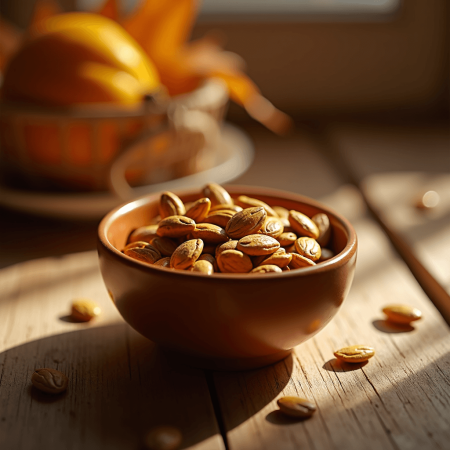
If you’ve dismissed pumpkin seeds as a casual fall snack, it’s time to reconsider. These small green kernels pack a nutritional profile that addresses some of the most common nutritional gaps women face—from hormonal balance to energy stability to immune resilience. Whether you’re managing stress, supporting fertility, or simply looking to fuel your day with whole foods, pumpkin seeds offer science-backed benefits that go far beyond October.
The Nutritional Powerhouse in Every Handful
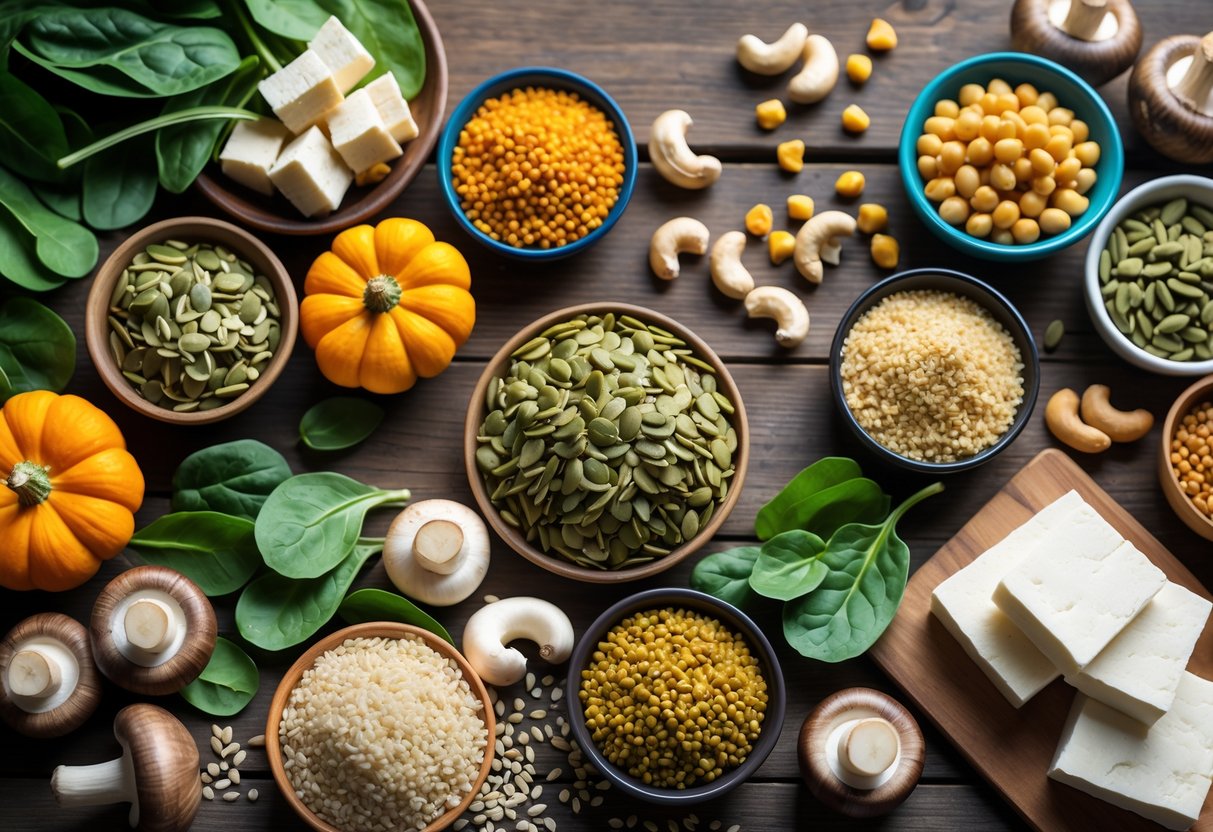
A quarter cup of pumpkin seeds contains roughly 180 calories, 9 grams of protein, and 16 grams of fat (primarily unsaturated), plus fiber, magnesium, zinc, iron, and manganese. This density of micronutrients is what makes pumpkin seeds particularly valuable for women. Unlike many nutrient-dense foods that require careful preparation, pumpkin seeds require nothing—just eat them straight from the bag or sprinkle them on salads and yogurt.
The real magic lies in which nutrients are present and in what quantities. Women of reproductive age have higher iron requirements than men (18 mg vs. 8 mg daily), women entering perimenopause need extra magnesium for hormonal support, and all women benefit from adequate zinc for immune function. Pumpkin seeds address all three.
The Science Behind the Benefits
Magnesium: The Hormone Balancer
One quarter cup of pumpkin seeds delivers about 48 mg of magnesium—roughly 12-15% of the daily recommended intake for adult women. Magnesium is critical for regulating estrogen and progesterone metabolism. When magnesium is low, progesterone sensitivity decreases, which can intensify PMS symptoms like mood swings, bloating, and fatigue. Studies show that women who consume adequate magnesium report fewer severe PMS symptoms and smoother transitions through menstrual cycles.
Beyond cycle support, magnesium helps regulate cortisol and supports sleep quality—two pillars of hormonal balance. This is why pumpkin seeds make a smart snack 2-3 hours before bed; the magnesium promotes relaxation without causing drowsiness.
Pumpkin seeds contain roughly 2 mg of zinc per quarter cup—a significant contribution toward the 8 mg daily recommendation for women. Zinc is essential for T-cell function (white blood cells that fight infection) and acts as a cofactor for over 300 enzymes in the body. Women with low zinc are more prone to infections and slower wound healing.
For women thinking about fertility, zinc becomes even more critical. It influences egg quality, supports the luteal phase of the cycle, and plays a role in thyroid function—a hormone that affects fertility directly. Research suggests that optimal zinc status correlates with better ovulation and more regular menstrual cycles.
Iron: Energy Without the Sluggishness
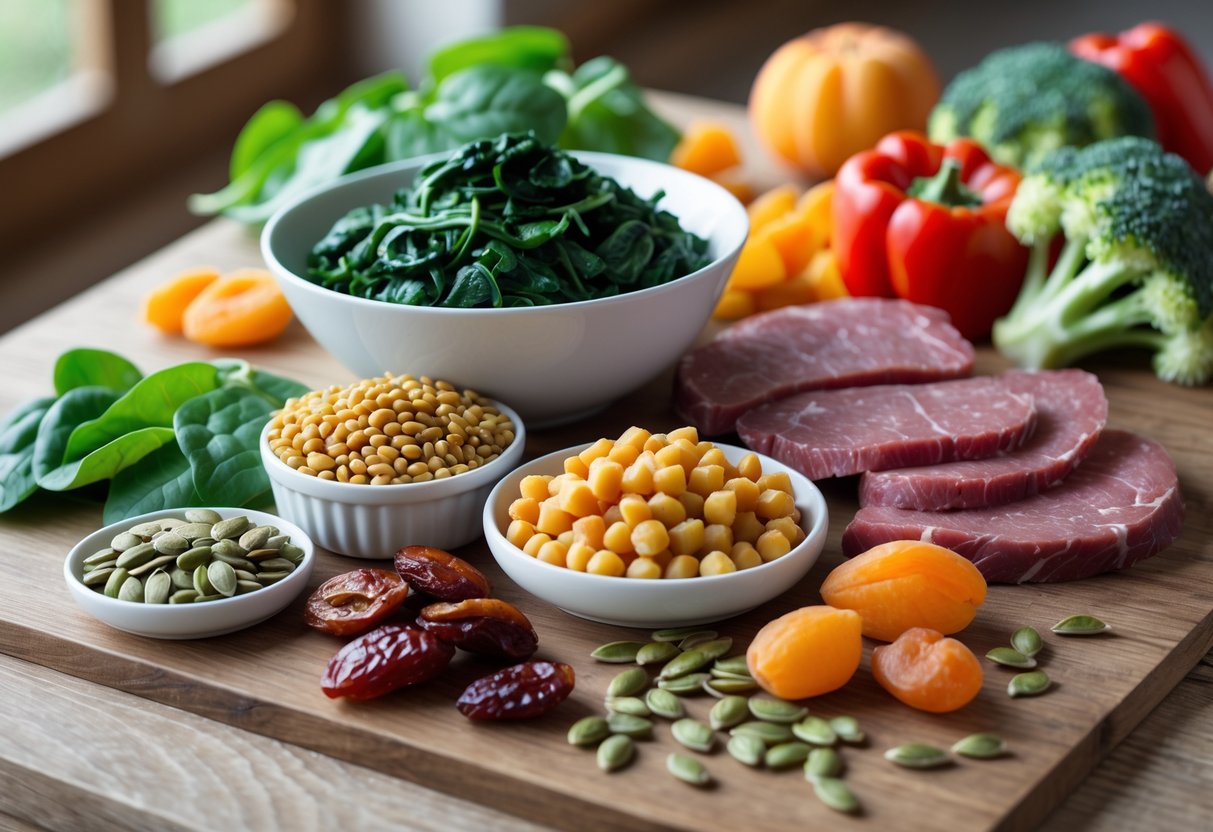
Pumpkin seeds provide about 4.2 mg of non-heme iron (the plant-based form) per quarter cup. While non-heme iron has lower bioavailability than heme iron from meat, pairing pumpkin seeds with vitamin C sources (citrus, tomatoes, peppers) dramatically increases absorption. This matters because iron deficiency is the most common nutritional deficiency in women globally, leading to fatigue, reduced cognitive performance, and impaired thermoregulation.
Many women don’t realize that post-workout fatigue, persistent brain fog, or feeling cold despite adequate calories often traces back to iron stores. Pumpkin seeds offer a plant-forward way to rebuild those stores without relying solely on red meat.
Plant Compounds: Lignans and Phytosterols
Beyond minerals, pumpkin seeds contain compounds called lignans—polyphenols with weak estrogenic activity. These may help moderate estrogen fluctuations during perimenopause. While the research is still developing, women in midlife often report that adding lignans-rich foods (flax, sesame, pumpkin seeds) helps smooth hormonal transitions.
Pumpkin seeds also contain phytosterols, which support cardiovascular health by modestly lowering LDL cholesterol. Since cardiovascular disease is the leading cause of death among women (often undiagnosed because symptoms differ from men’s), this benefit deserves attention.
With lunch or dinner (with citrus juice or tomatoes)
Maximum daily
Up to 1 cup (not typically necessary)
Spread throughout the day
One quarter cup is the sweet spot for most women. This amount provides meaningful nutrient support without excess calories or fat, and it’s easy to integrate into daily eating.
Best Ways to Incorporate Pumpkin Seeds
Raw vs. Roasted: Which Should You Choose?
Raw seeds retain more heat-sensitive vitamins and enzymes, while roasted seeds at low temperatures (under 300°F) are more bioavailable—heat makes minerals like magnesium and zinc easier for your body to absorb. If you buy pre-roasted seeds, check that they’re not heavily salted or coated in sugar. If you’re roasting at home, aim for 15-20 minutes at 275°F with minimal oil.
Easy Integration Ideas
Breakfast: Sprinkle on Greek yogurt with berries, or blend into overnight oats
Lunch: Add to salads, grain bowls, or Buddha bowls for protein and crunch
Snack: Pair with an apple or citrus fruit to enhance iron absorption
Dinner: Toast and crush as a topping for roasted vegetables or soup
Baking: Mix into homemade granola, energy balls, or seed butter for texture
Beverages: Blend into smoothies with almond milk and cinnamon for a creamy texture
Pro Combinations for Maximum Benefit
For iron absorption: Pumpkin seeds + orange juice or bell peppers. The vitamin C in citrus increases non-heme iron absorption by up to 3-fold.
For hormone support: Pumpkin seeds + flax seeds + dark chocolate. This combination pairs lignans with magnesium and polyphenols for comprehensive luteal-phase support.
For immune resilience: Pumpkin seeds + garlic + olive oil. Toast pumpkin seeds with minced garlic and a drizzle of olive oil for an allicin + zinc boost.
Storage and Quality Considerations
Pumpkin seeds are high in polyunsaturated fats, which oxidize when exposed to heat and light. Store them in an airtight container in the refrigerator (they’ll keep 3-4 months) or freezer (6+ months). If buying in bulk, store in a cool, dark cupboard for no more than 2-3 weeks.
Look for seeds labeled “sprouted” if possible—sprouting reduces phytic acid (an anti-nutrient that binds minerals) and increases bioavailability of zinc and magnesium by 15-20%. Organic options are worth the investment since conventionally grown pumpkins may carry pesticide residues.
Who Should Pay Special Attention to Pumpkin Seeds?
Women with irregular cycles: The magnesium + zinc may support hormonal regularity
Athletes and active women: Post-workout recovery is supported by protein + magnesium
Women managing stress: Magnesium supports cortisol regulation and sleep
Those with iron deficiency anemia: Combine with vitamin C sources for absorption
Women in perimenopause: Lignans may ease hormonal fluctuations
Vegetarians/vegans: A plant-based source of zinc, iron, and protein
The NutriGuide Pro-Tip
Don’t limit pumpkin seeds to fall. Make them a year-round staple by buying raw seeds in bulk (often cheapest in October) and storing them properly. A simple ritual: each morning, add a small handful to your breakfast or snack with fruit. Over time, this consistent magnesium and zinc intake compounds into better sleep, clearer skin, more stable energy, and smoother hormonal rhythms. The benefit isn’t dramatic month-to-month—it’s the quiet, sustained shift that happens when you nourish your body consistently with foods designed to address exactly what women need.