Brazil Nuts for Women: Selenium, Fertility & Hormonal Balance
Table of Contents
When you buy through links on our site, we may earn an affiliate commission at no additional cost to you (learn more)
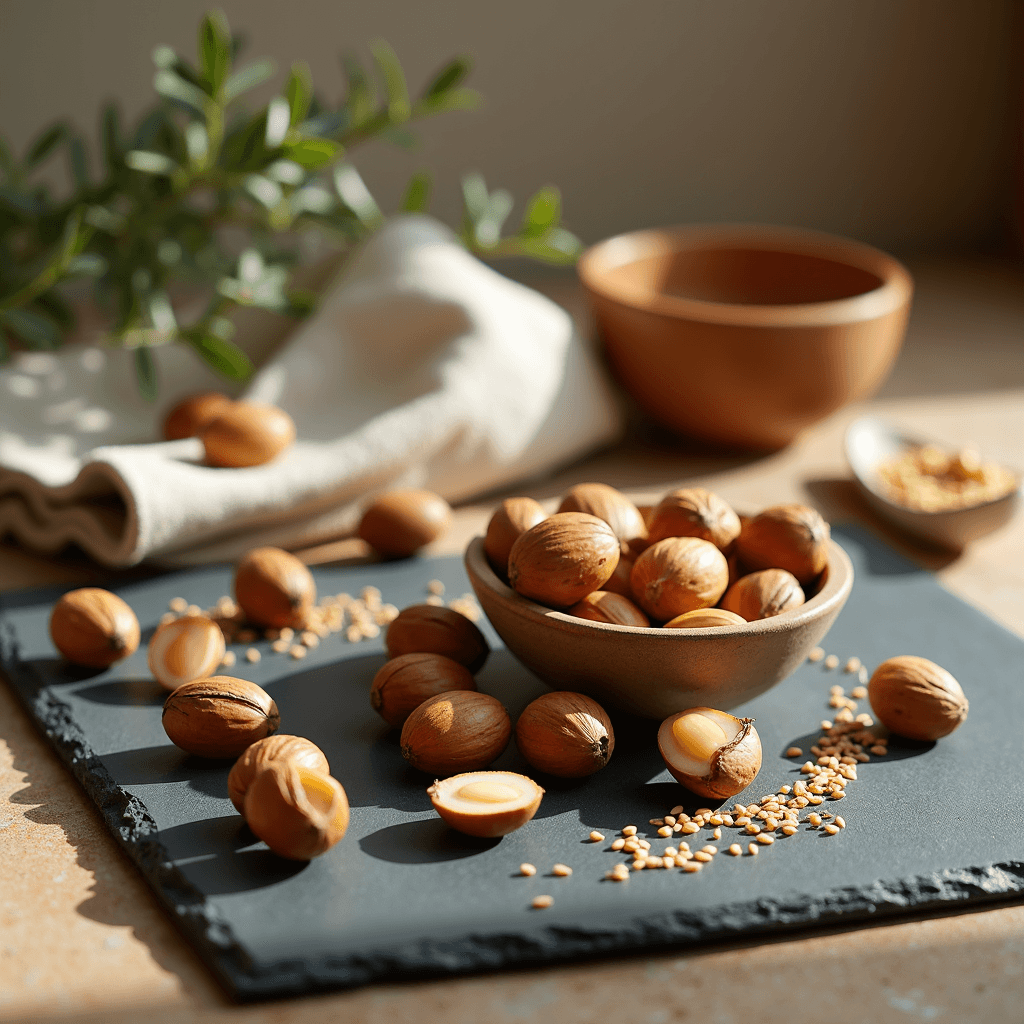
Brazil nuts are one of the most nutrient-dense foods on the planet, yet many of us overlook them in favor of more trendy superfoods. For women specifically, these creamy South American nuts offer targeted nutritional support that addresses everything from hormonal balance to reproductive health. While they’re often enjoyed as a casual snack, understanding why Brazil nuts deserve a regular spot in your diet reveals a powerful ally in women’s wellness.
The Science Behind Brazil Nuts and Women’s Health
Brazil nuts stand out because they’re the most selenium-rich food available in nature. Just two or three Brazil nuts provide roughly 100% of your daily selenium requirement—a mineral that most women unknowingly fall short on. This matters because selenium is essential for thyroid hormone production and metabolism, both of which directly influence energy, mood, and body composition.
The thyroid is the master gland controlling metabolic rate, and selenium helps activate thyroid peroxidase, an enzyme critical for converting thyroid hormones into their active forms. When selenium levels drop, thyroid function suffers, often leading to fatigue, weight gain, and hormonal imbalances that ripple through the entire endocrine system.
Selenium and Reproductive Health
If you’re trying to conceive, selenium becomes even more important. Studies show that adequate selenium supports healthy egg quality and ovulation, while deficiency is linked to reduced fertility and miscarriage risk. Selenium also protects the developing fetus during pregnancy and supports healthy sperm production in partners.
The mechanism is straightforward: selenium is a core component of selenoproteins, which act as antioxidants inside cells. In reproductive tissues, these selenoproteins protect eggs and sperm from oxidative damage—essentially preserving genetic material quality.
Hormonal Balance and Estrogen Metabolism
Beyond the thyroid, selenium plays a supporting role in estrogen metabolism. The liver detoxifies excess estrogen through a process called the estrobolome pathway, and antioxidant minerals like selenium help prevent the buildup of estrogen byproducts. When this system works properly, you experience more stable mood, clearer skin, and reduced PMS symptoms.
Many women experience magnesium depletion during their menstrual cycle, which intensifies PMS symptoms like cramps, mood swings, and water retention. Brazil nuts contain approximately 25% of daily magnesium needs per handful, helping you maintain steady levels throughout your cycle. Magnesium also improves sleep quality, something many women sacrifice during the luteal phase.
Copper and Collagen Production
Copper is often forgotten, but it’s essential for collagen cross-linking—the process that keeps skin firm and elastic. As estrogen naturally declines with age, collagen becomes harder to maintain. Brazil nuts provide copper, which works synergistically with vitamin C to support healthy skin, joints, and connective tissue.
Brain Health and Mood Support
Women are twice as likely to experience depression and anxiety as men, partly due to hormonal fluctuations. The antioxidant power of selenium reduces neuroinflammation in the brain, while the mineral also supports the production of glutathione peroxidase—your brain’s first line of defense against oxidative stress.
Additionally, Brazil nuts contain compounds that support dopamine and serotonin pathways. A deficiency in these mood-regulating neurotransmitters is especially problematic during the luteal phase of the menstrual cycle, when natural serotonin tends to dip.
Cardiovascular disease is the leading cause of death for women in the United States, yet heart health is often overlooked in female-focused nutrition conversations. Brazil nuts contain heart-protective compounds including ellagic acid and phenolic antioxidants that reduce arterial inflammation and improve endothelial function (blood vessel flexibility).
The selenium and vitamin E combination also prevents LDL cholesterol oxidation—when cholesterol particles become damaged, they’re more likely to lodge in artery walls. Brazil nuts help keep cholesterol particles stable and less inflammatory.
Bone Health and Aging
Women lose bone density rapidly after menopause due to declining estrogen, making bone mineral density a critical concern. The minerals in Brazil nuts—magnesium, copper, zinc, and selenium—all play structural or enzymatic roles in bone formation and mineralization. While they’re not a replacement for calcium and vitamin D, they’re important co-factors that often get overlooked.
How to Incorporate Brazil Nuts Into Your Diet
Daily Dosage Guidelines
Because of their high selenium content, moderation is key. Aim for 2-3 Brazil nuts daily or about 28g (a small handful) per day. This provides optimal selenium without risking excess intake (the upper safe limit is 400 mcg daily). More isn’t better—excessive selenium can cause selenosis, a condition that damages hair and nails.
Practical Ways to Enjoy Them
Morning ritual: Eat 2-3 whole Brazil nuts with your coffee or tea—they pair surprisingly well and provide sustained energy
Trail mix: Combine with raw almonds, pumpkin seeds, and dried goji berries for a balanced snack
Smoothie addition: Soak 4-5 nuts and blend into smoothies for creaminess without dairy
Nut butter: Grind Brazil nuts into a butter and spread on whole grain toast with berries
Salad topper: Roughly chop and scatter over leafy greens with olive oil dressing
Cycling sync: Eat them consistently during your luteal phase when magnesium needs increase
Brazil nuts have a high fat content, making them prone to oxidation. Store them in an airtight container in the refrigerator or freezer to preserve their nutritional integrity. If they taste bitter or rancid, discard them—rancid nuts increase free radical burden rather than reducing it.
Who Should Be Extra Intentional About Brazil Nuts?
Women trying to conceive: Selenium deficiency is linked to lower fertility rates. Adding Brazil nuts to your preconception nutrition plan may improve egg quality.
Those with thyroid conditions: Hypothyroidism and Hashimoto’s are far more common in women. If you have thyroid disease, ensure you’re getting adequate selenium (though consult your doctor if you’re on thyroid medication, as timing matters).
Women in perimenopause and menopause: The antioxidant load becomes even more valuable as natural estrogen protection declines.
Anyone with mood or anxiety concerns: The neuroprotective effects of selenium make Brazil nuts a worthwhile addition to a mood-supporting diet.
The NutriGuide Pro-Tip
Create a “hormone-support” snack mix by combining 3 Brazil nuts, a small handful of pumpkin seeds (zinc), and a square of dark chocolate (magnesium and antioxidants). Keep this in a small jar at your desk or in your bag. The synergy of nutrients supports thyroid, mood, and cycle health all at once—and it tastes indulgent enough to feel like self-care rather than a chore.