Spirulina for Women: Nature’s Complete Protein Powerhouse
Table of Contents
When you buy through links on our site, we may earn an affiliate commission at no additional cost to you (learn more)
Spirulina has earned its “superfood” label, but for women specifically, this blue-green algae offers something beyond typical health claims. From supporting energy levels through iron-rich compounds to nourishing hair and skin from within, spirulina addresses concerns that resonate with many women’s wellness goals. What makes spirulina particularly valuable isn’t just its nutrient density—it’s how those nutrients work together to support women’s unique physiological needs.
Understanding Spirulina’s Nutritional Profile
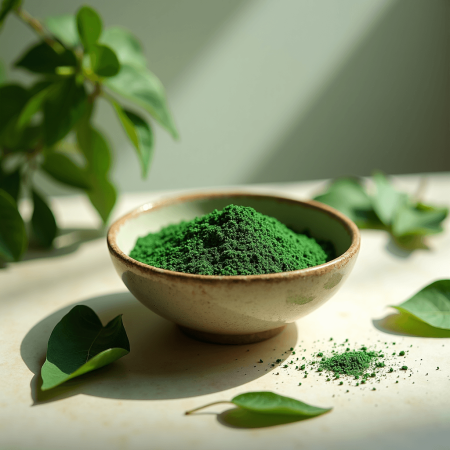
Spirulina isn’t just protein; it’s a complete protein, containing all nine essential amino acids your body cannot produce on its own. A single tablespoon (7 grams) delivers approximately 4 grams of protein—comparable to an egg but in a fraction of the volume. Beyond protein, spirulina concentrates nutrients that women often need in greater quantities: iron, B12, and antioxidants like phycocyanin, which gives spirulina its distinctive blue-green hue.
The iron in spirulina is particularly noteworthy. Women of reproductive age lose iron through menstruation, and many don’t consume enough to replace what they lose. Unlike iron from meat sources, spirulina’s non-heme iron requires vitamin C for optimal absorption—pairing your spirulina smoothie with citrus or berries amplifies this benefit.
How Spirulina Supports Women’s Energy
Iron deficiency anemia doesn’t always announce itself with fatigue; sometimes it feels like low-grade exhaustion that makes afternoons harder and workouts less rewarding. Spirulina addresses this through multiple pathways. The iron helps restore oxygen-carrying capacity in blood, while the B vitamins (particularly B12, which is rare in plant foods) support energy metabolism itself. Many women report clearer thinking and more sustained energy within weeks of adding spirulina to their routine.
The Science: Why Women Benefit Differently
Hair and Skin Health from Within
One of spirulina’s lesser-discussed benefits for women involves hair and skin resilience. Hair growth relies on amino acids, minerals, and antioxidant activity. Spirulina provides amino acids like methionine and cysteine, which form keratin—the protein that makes up hair strands. Simultaneously, phycocyanin (spirulina’s blue pigment) acts as an antioxidant, protecting scalp health and reducing oxidative stress that can accelerate hair aging.
For skin, the same antioxidant activity supports collagen production and protects against photodamage. The bioavailable selenium in spirulina helps regulate thyroid function, which influences skin moisture and elasticity. Women often notice improvements in skin clarity and hydration rather than dramatic transformations—this is sustained, foundational skin support.
Hormonal Balance and Cycle Support
Spirulina’s gamma-linolenic acid (GLA), an omega-6 fatty acid, has been studied for its role in hormonal balance. Research suggests GLA helps regulate prostaglandin production, which influences menstrual comfort and hormonal stability. While spirulina alone won’t resolve hormonal imbalances, it supports the nutrient foundation that healthy hormone regulation requires.
The iron and B vitamins become especially important during the luteal phase of the menstrual cycle, when nutrient needs increase and fatigue is more likely. Consistent spirulina use helps buffer against monthly nutrient dips.
Muscle Recovery and Bone Density
For women who strength train or participate in high-impact sports, spirulina’s branched-chain amino acids (BCAAs) support muscle protein synthesis and recovery. The bioavailable minerals—particularly the calcium, magnesium, and trace minerals—contribute to bone density, which is critical for women, especially as estrogen levels fluctuate with age.
How to Choose and Use Spirulina
Quality Matters More Than You’d Think
Not all spirulina is created equal. Look for spirulina that has been third-party tested for heavy metals and contaminants, as algae naturally absorbs compounds from its growing environment. Organic certification and certifications from NSF or USP indicate rigorous testing standards.
Powder is the most economical and allows you to control serving size precisely. Tablets are best for women who travel or dislike the taste. Flakes offer the best of both worlds—they blend more smoothly than powder but retain more flavor complexity.
Practical Integration Strategies
Start with 1 teaspoon (3 grams) daily and increase gradually to 1–3 teaspoons, divided throughout the day if preferred. This gradual approach lets your digestive system adapt and minimizes the possibility of mild detox symptoms like slight nausea or headaches, which indicate your body is processing and eliminating accumulated toxins.
Easy integration points:
Morning smoothie with mango, orange, and almond milk (vitamin C aids iron absorption)
Afternoon energy drink mixed with lemon juice and honey
Stirred into salad dressings or guacamole
Added to protein pancakes or energy balls
Taken as capsules with meals containing fat for better absorption
Spirulina’s flavor is earthy and slightly salty—not unpleasant once you adjust, and easily masked in fruit-forward smoothies.
Timing and Absorption Optimization
Take spirulina with a meal containing fat (nuts, seeds, olive oil, avocado) to enhance absorption of fat-soluble nutrients. Pairing with vitamin C sources amplifies iron bioavailability by up to 300%, making a citrus-spirulina smoothie a particularly smart combination. Iron should be separated from high-calcium supplements or dairy by at least 2 hours, though regular food sources of calcium won’t significantly interfere.
Common Questions About Spirulina for Women
Is spirulina safe during pregnancy? While spirulina is nutrient-dense, pregnant women should consult their healthcare provider before supplementing, particularly those with specific health conditions or on medications.
Can spirulina interfere with thyroid medication? If you take thyroid medication, take spirulina at least 4 hours apart to avoid potential interactions with iron and other minerals.
Will spirulina upset my stomach? Start small and increase gradually. Most digestive sensitivity resolves within a week once your system adjusts.
How does spirulina compare to other greens powders? Spirulina is denser in protein and bioavailable iron than most leaf-based powders, making it particularly valuable for women, though they serve different purposes. Spirulina focuses on micronutrient density; greens powders offer broader phytonutrient variety.
The NutriGuide Pro-Tip
The real power of spirulina for women emerges when you view it as a nutritional foundation, not a cure. Pair your spirulina practice with consistent strength training and adequate sleep, and you’ll amplify its effects on energy, recovery, and appearance. Women who combine spirulina with intentional nutrition—ensuring adequate protein at each meal, sufficient calories, and diverse whole foods—report the most dramatic improvements in sustained energy and visible changes in skin and hair health.
The transformation isn’t overnight. Give spirulina 6–8 weeks at a consistent dose before assessing whether it’s making a meaningful difference for you. Some women notice changes within days; others require weeks. Both responses are completely normal and reflect your individual micronutrient status and absorption capacity.