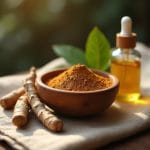
Ashwagandha for Better Sleep: Your Natural Path to Restful Nights

When you buy through links on our site, we may earn an affiliate commission at no additional cost to you (learn more)
If you’ve been tossing and turning at night, constantly checking the clock and wondering if peaceful sleep will ever come, you’re not alone. Modern life has a way of keeping our minds racing long after our heads hit the pillow. But what if we told you that an ancient herb, revered for thousands of years, might hold the key to transforming your nights from restless to restorative?
Understanding How Ashwagandha Works Its Sleep Magic
Ashwagandha (Withania somnifera), often called “Indian winter cherry,” doesn’t just help you fall asleep—it addresses the root causes that keep you awake in the first place. The herb contains naturally occurring compounds called withanolides, which work directly with your body’s stress response system to create the perfect conditions for deep, rejuvenating sleep.
Here’s where the magic happens: chronic stress elevates cortisol levels, keeping your nervous system in a state of high alert. Ashwagandha helps normalize these cortisol levels by supporting your hypothalamic-pituitary-adrenal (HPA) axis—essentially teaching your body when it’s time to wind down. Clinical studies show that ashwagandha can reduce cortisol levels by up to 27.9% in chronically stressed adults.
But the sleep benefits go deeper than stress reduction. Ashwagandha also influences GABA pathways in your brain, the same neurotransmitter system that promotes calmness and relaxation. This dual action—lowering stress hormones while enhancing calming brain chemicals—creates the ideal neurochemical environment for quality sleep.
The Sleep Quality Connection
We often focus on how long we sleep, but ashwagandha particularly shines when it comes to sleep quality. Research published in the journal Sleep Medicine found that participants taking ashwagandha experienced significant improvements in sleep efficiency, total sleep time, and sleep onset latency compared to placebo groups.
What makes this herb particularly fascinating is its ability to support your natural circadian rhythm. Unlike synthetic sleep aids that force drowsiness, ashwagandha works with your body’s internal clock, helping establish consistent sleep-wake patterns that feel natural and sustainable.
Beyond Just Falling Asleep
Many people can fall asleep but struggle with staying asleep or waking up feeling groggy. Ashwagandha addresses these issues too by promoting deeper stages of sleep, including REM sleep, which is crucial for mental restoration and memory consolidation.
The herb’s adaptogenic properties mean it helps your body maintain balance throughout the night. If stress hormones try to spike at 3 AM (a common occurrence), ashwagandha’s regulatory effects help keep them in check, allowing you to stay in restorative sleep phases longer.
Choosing the Right Ashwagandha for Sleep
Not all ashwagandha supplements are created equal, especially when it comes to sleep support. The key lies in understanding standardization, timing, and quality markers that ensure you’re getting the most sleep-promoting benefits from this powerful herb.
Standardization Matters
Look for ashwagandha extracts standardized to contain at least 1.5% withanolides—these are the active compounds responsible for the herb’s stress-reducing and sleep-promoting effects. KSM-66® and Sensoril® are two clinically studied forms that have shown particular promise for sleep improvement in research studies.
KSM-66® is a full-spectrum root extract that maintains the natural balance of the plant’s compounds, while Sensoril® combines both root and leaf extracts for a more concentrated withanolide content. Both have demonstrated effectiveness in clinical trials, so your choice may come down to individual response and specific sleep challenges.
Timing Your Ashwagandha
For sleep support, timing is everything. Take ashwagandha 30-60 minutes before your intended bedtime to allow the herb’s calming effects to naturally align with your body’s preparation for sleep. Some people find that taking it with a light snack helps with absorption and prevents any potential stomach sensitivity.
If you’re new to ashwagandha, start with the lower end of the recommended dosage range (typically 300-500mg of standardized extract) and assess how your body responds. Some people are more sensitive and find that even smaller amounts provide significant sleep benefits.
Maximizing Your Sleep Results
While ashwagandha can be incredibly effective on its own, combining it with complementary sleep hygiene practices amplifies its benefits and helps establish lasting improvements in your sleep patterns.
Create a Sleep-Supporting Environment
Ashwagandha works best when your environment supports its effects. Keep your bedroom cool (around 65-68°F), minimize blue light exposure for at least an hour before taking your supplement, and consider incorporating gentle stretching or meditation to enhance the herb’s natural calming properties.
Magnesium pairs particularly well with ashwagandha for sleep support. While ashwagandha addresses stress and cortisol regulation, magnesium helps relax muscles and supports the conversion of tryptophan to serotonin, creating a complementary approach to better sleep.
Consistency Is Key
Unlike quick-fix sleep aids, ashwagandha builds its effects over time. Most people notice initial improvements within the first week, but the full sleep-supporting benefits typically develop over 2-4 weeks of consistent use. This is because the herb is actually helping to retrain your stress response system and circadian rhythms, not just masking sleep problems.
| Week | Expected Benefits | What’s Happening |
|---|---|---|
| 1-2 | Reduced bedtime anxiety, easier falling asleep | Initial cortisol regulation begins |
| 3-4 | Improved sleep quality, fewer middle-of-night awakenings | HPA axis stabilization, enhanced GABA activity |
| 4-8 | Consistent sleep patterns, morning energy improvement | Full circadian rhythm optimization |
Who Should Consider Ashwagandha for Sleep
Ashwagandha is particularly beneficial for people whose sleep issues stem from stress, anxiety, or an overactive mind at bedtime. If you find yourself lying awake replaying the day’s events or worrying about tomorrow’s responsibilities, this herb’s stress-regulating properties can be especially helpful.
It’s also an excellent option for people who want to improve their sleep naturally without the dependency risks associated with conventional sleep medications. Shift workers, frequent travelers dealing with jet lag, or anyone experiencing sleep disruptions due to life changes may find ashwagandha’s adaptogenic properties particularly supportive.
Safety Considerations
While ashwagandha is generally well-tolerated, there are some important considerations. Pregnant or breastfeeding women should avoid ashwagandha, as should people with autoimmune conditions like rheumatoid arthritis, lupus, or multiple sclerosis, since the herb can stimulate immune system activity.
If you’re taking medications for thyroid conditions, blood sugar management, or blood pressure, consult with your healthcare provider before adding ashwagandha to your routine, as the herb may influence these systems.
The NutriGuide Pro-Tip
Here’s something most people don’t know: ashwagandha’s sleep benefits are enhanced when you take it as part of a “wind-down ritual” rather than just popping a capsule and hoping for the best. Try this approach: about an hour before bed, prepare a warm cup of chamomile tea and take your ashwagandha with it while doing some gentle stretching or reading something peaceful.
The ritual itself signals to your brain that it’s time to shift into sleep mode, while the ashwagandha works on a biochemical level to support that transition. This combination of behavioral cues and herbal support creates a powerful synergy that many of our community members find more effective than either approach alone.
Remember, better sleep isn’t just about the hours you spend in bed—it’s about waking up feeling genuinely restored and ready to embrace each day with energy and clarity. Ashwagandha can be your natural ally in making that vision a consistent reality.