Benefits of Beets for Women: Science-Backed Nutrition for Heart Health and Hormonal Balance
Table of Contents
When you buy through links on our site, we may earn an affiliate commission at no additional cost to you (learn more)
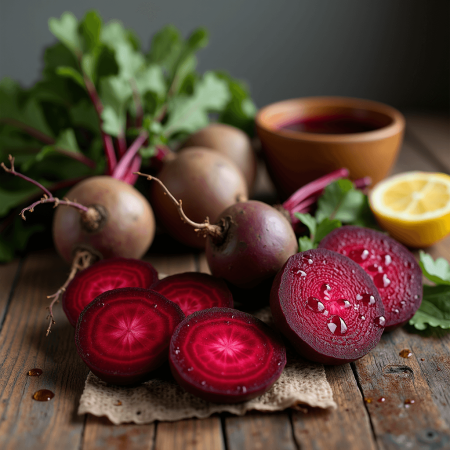
Beets are a nutrient-dense root vegetable that deserve far more attention in conversations about women’s health. Beyond their striking crimson color, beets contain compounds that support hormonal balance, cardiovascular function, energy levels, and even fertility. Whether you’re managing monthly cycles, navigating hormonal transitions, or simply looking to optimize your nutrition, beets offer tangible biochemical benefits backed by modern research.
The Science Behind Beets and Women’s Health
The deep red color of beets comes from betalains—a class of water-soluble pigments with powerful anti-inflammatory and antioxidant properties. The two main betalains are betanin and vulgaxanthin, both of which reduce systemic inflammation linked to hormonal imbalance, joint pain, and cardiovascular disease. For women navigating PMS, menopause, or conditions like endometriosis, reducing inflammation is foundational.
Beets are exceptionally rich in dietary nitrates, compounds that your body converts into nitric oxide—a molecule essential for blood vessel function. Nitric oxide dilates blood vessels, improving blood flow, lowering blood pressure, and enhancing oxygen delivery to tissues. This is particularly important for women because cardiovascular disease is the leading cause of death among women in the U.S., yet it’s often overlooked in conversations about women’s health.
One medium beet provides approximately 1.5 mg of iron per 100 grams—meaningful for women of reproductive age, who lose iron monthly through menstruation. Iron supports oxygen transport, energy production, and mitochondrial function. Paired with beets’ natural vitamin C content (which enhances iron absorption), this root vegetable becomes a strategic choice for preventing iron-deficiency anemia.
Beets are also excellent sources of folate (approximately 109 mcg per 100g raw beet), a B vitamin crucial for DNA synthesis and methylation—the biochemical process that regulates gene expression and hormonal metabolism. Adequate folate intake is linked to better fertility outcomes, lower miscarriage risk, and improved hormonal balance through its role in processing and eliminating excess estrogen.
Additionally, beets contain magnesium, manganese, and potassium—minerals that support nervous system regulation, bone health, and hormonal signaling. Magnesium, specifically, activates more than 300 enzymatic reactions in the body, including those involved in progesterone synthesis and mood regulation.
How Beets Support Specific Women’s Health Goals
Menstrual Health and Energy
The iron and folate in beets work synergistically to support healthy menstrual function and prevent the energy crashes many women experience during their cycle. Menstruation increases iron demands; consistently low iron stores lead to fatigue, brain fog, and weakened immunity. By incorporating beets regularly, you’re replenishing stores naturally while supporting the metabolic pathways that produce energy at the cellular level.
Cardiovascular Function
Research published in the Journal of Applied Physiology demonstrates that dietary nitrates from beets improve endothelial function and reduce blood pressure in both men and women. Women have unique cardiovascular considerations: estrogen decline during menopause increases cardiovascular disease risk, making nitrate-rich foods a strategic preventive approach. A 2015 study found that beet juice consumption improved arterial elasticity and reduced systolic blood pressure by an average of 8 mmHg.
Hormonal Balance and Cycle Syncing
Beets support estrogen metabolism through their folate and B-complex content, which enables proper Phase I and Phase II liver detoxification—the pathways responsible for processing and eliminating excess estrogen. Better estrogen clearance can reduce PMS severity, reduce period pain, and support more predictable cycles. The magnesium content also calms the nervous system, reducing stress-induced hormonal dysregulation.
Fertility and Conception
Folate is one of the most important nutrients for preconception health. The nitric oxide from beets’ nitrates also improves blood flow to reproductive organs, supporting optimal uterine and ovarian function. For women trying to conceive, beets represent a whole-food strategy to address multiple biochemical pathways simultaneously.
Raw and Fresh: Grate raw beets into salads and slaws to maximize folate and vitamin C content. Raw preparation preserves heat-sensitive nutrients and offers the full spectrum of betalains. Pair with lemon juice, which enhances iron absorption.
Roasted Beets: Roast whole beets at 400°F for 45 minutes to concentrate natural sugars and enhance mineral bioavailability. The betalain content remains stable during roasting, making this preparation ideal for everyday meals. Serve alongside leafy greens and healthy fats like tahini or avocado.
Beet Juice: Fresh-pressed beet juice delivers nitrates in a bioavailable liquid form that’s rapidly absorbed. A 4-6 oz serving 2-3 times weekly supports cardiovascular function and blood flow. Avoid commercial versions with added sugars; if juicing yourself, drink within 15 minutes to preserve nutrient content.
Beet Greens: The leafy tops are often discarded but are nutritionally superior to the root itself, containing lutein, zeaxanthin, and additional folate. Sauté with garlic and olive oil for a hormone-supportive side dish rich in protective antioxidants.
Pickled Beets: The vinegar in pickled preparations aids nutrient absorption and creates a shelf-stable option. Fermented pickled beets may offer additional probiotic benefits for digestive health.
Practical Daily Integration
Breakfast idea: Add grated raw beets to smoothie bowls or overnight oats alongside chia seeds and almond butter for enhanced iron absorption.
Lunch idea: Build a salad with roasted beets, leafy greens, walnuts, and goat cheese—the vitamin C from greens and the fat from cheese optimize mineral absorption.
Snack option: Roasted beet chips (toss thin slices with olive oil and sea salt, bake at 375°F for 20 minutes) offer a nutrient-dense alternative to processed options.
Dinner idea: Roast whole beets and serve alongside legumes and vegetables for a complete meal rich in folate, iron, and fiber.
The NutriGuide Pro-Tip
If you’re managing hormonal symptoms, pair beets with foods rich in sulfur compounds—like garlic, onions, and cruciferous vegetables (broccoli, Brussels sprouts, cabbage). These compounds support Phase I and Phase II detoxification pathways in your liver, amplifying your body’s ability to metabolize and eliminate excess hormones. Roasted beets with garlic and steamed broccoli isn’t just delicious; it’s a hormone-optimization meal. Additionally, if you’re consuming iron-rich beet juice, consume it 2 hours away from calcium-rich foods (dairy, leafy greens) to maximize absorption.