B-Complex Vitamins for Women: Energy, Hormones & Wellness
Table of Contents
When you buy through links on our site, we may earn an affiliate commission at no additional cost to you (learn more)
The B-complex vitamins are among the most powerful tools we have for supporting women’s unique nutritional needs—yet they’re often overlooked. Whether you’re managing energy levels, supporting hormonal balance, or protecting your mental clarity, the eight B vitamins (thiamine, riboflavin, niacin, pantothenic acid, pyridoxine, cobalamin, folate, and biotin) work together as a coordinated system, not individual nutrients. Understanding what each B vitamin does and why women specifically benefit from them can transform how you approach your daily nutrition.
Why Women’s B-Complex Needs Are Different
Women face unique metabolic demands that increase their B-vitamin requirements compared to men. Menstrual cycles deplete iron and B12 through blood loss, while hormonal fluctuations affect how efficiently we convert B vitamins into active forms. Pregnancy and breastfeeding drain B9 (folate) and B12 at accelerated rates, and hormonal birth control can reduce B2 and B6 availability.
Even peri-menopause and menopause shift our nutritional needs as estrogen levels change. The relationship is biochemical: B vitamins are essential cofactors in the enzyme systems that regulate estrogen metabolism. When B vitamins are insufficient, estrogen can accumulate or be metabolized inefficiently, contributing to heavier periods, mood swings, and hormonal acne. This isn’t coincidence—it’s metabolism.
The Science Behind Each B Vitamin
B1 (Thiamine) & B2 (Riboflavin)
These two work at the foundation of energy production, converting food into ATP—the cellular currency of energy. B1 specifically supports nerve function and brain health, while B2 is essential for mitochondrial function. Women who experience chronic fatigue or brain fog often have insufficient B1 and B2 status.
Studies show that adequate B1 reduces PMS symptom severity, likely because it supports the neurotransmitters involved in mood regulation. One meta-analysis found that women taking 100mg of B1 daily reported a 30% reduction in PMS symptoms over three months.
B3 (Niacin)
Niacin regulates blood sugar stability and supports DNA repair. This is particularly relevant for women concerned about skin health, since niacin maintains the skin barrier and reduces inflammation. It also plays a role in stress resilience by supporting cortisol metabolism—critical during high-demand periods of work or life transitions.
Often called the “anti-stress vitamin,” B5 is required to produce coenzyme A, which synthesizes cortisol and manages inflammation. Women experiencing adrenal fatigue or chronic stress benefit from adequate B5, as it directly supports the glands managing our stress response. Without sufficient B5, cortisol production becomes sluggish, leaving us feeling perpetually depleted.
B6 (Pyridoxine)
B6 is the maestro of neurotransmitter synthesis—it’s essential for making serotonin, dopamine, and GABA. The science is clear: insufficient B6 correlates with PMS mood symptoms, depression, and anxiety. Oral contraceptives are known to deplete B6, which is why women on hormonal birth control should prioritize this vitamin.
B6 also regulates homocysteine (an inflammatory marker), which is increasingly recognized as a cardiovascular risk factor in women. Research shows that women with PMS symptoms respond particularly well to B6 supplementation, with studies documenting up to 70% improvement in mood-related symptoms.
B9 (Folate) & B12 (Cobalamin)
These are the “methylation queens.” Folate and B12 work together in a process called one-carbon metabolism, which affects DNA synthesis, gene expression, and detoxification. For women of reproductive age, adequate folate prevents neural tube defects in pregnancy and supports healthy estrogen metabolism throughout the cycle.
B12, which is primarily found in animal foods, is critical for nerve health, energy production, and cognitive function. Plant-based women are at higher risk of B12 deficiency, which can mimic depression or early cognitive decline if unaddressed. The mechanism: B12 maintains myelin (the insulation around nerves) and directly impacts neurotransmitter production.
B7 (Biotin)
Biotin strengthens hair, skin, and nails by supporting keratin synthesis. Women experiencing hair loss, brittle nails, or skin issues (especially related to hormonal fluctuations) often see improvements with biotin supplementation. The mechanism: biotin acts as a coenzyme for enzymes that build structural proteins essential to hair and skin integrity.
B vitamins are non-negotiable for energy production. Every step in the process—from glucose breakdown to mitochondrial ATP synthesis—requires B vitamins as cofactors. Women often experience energy crashes due to insufficient B-complex intake, especially during high-stress periods or restrictive dieting when nutrient density drops.
If you’re reaching for coffee by 3 PM, your B-complex status might be part of the problem. The fatigue is real, but it’s often reversible.
Hormonal Balance & PMS
The research is striking: women supplementing with B6 and B1 together report significant reductions in PMS symptoms within 2-3 menstrual cycles. The mechanism involves both neurotransmitter support and reduced inflammation. B9 (folate) and B12 support the liver’s ability to metabolize and recycle estrogen, preventing excess accumulation that triggers heavier periods and mood disruption.
Mental Health & Cognitive Function
B vitamins (especially B6, B9, B12) regulate homocysteine and neurotransmitter production. Elevated homocysteine is linked to depression, anxiety, and cognitive decline—all concerns that disproportionately affect women. B vitamins lower homocysteine and directly support serotonin and dopamine, which are the neurochemical basis of mood and mental clarity.
Hair, Skin & Nail Health
Biotin and B vitamins support collagen synthesis and keratin production. Women experiencing postpartum hair loss, perimenopause-related thinning, or stress-triggered skin issues often see improvements with comprehensive B-complex supplementation within 8-12 weeks.
Cardiovascular Health
B vitamins reduce homocysteine and support healthy blood vessel function. Since cardiovascular disease is the #1 killer of women (surpassing breast cancer), maintaining optimal B-vitamin status is a foundational prevention strategy that’s often overlooked in women’s health conversations.
The challenge: modern processing reduces B vitamins significantly. Refined grains are depleted of B vitamins during the milling process, and stress and alcohol further deplete them from your system.
Supplementation Considerations
If you choose to supplement, a B-complex formula (not isolated B vitamins) is preferable because B vitamins work synergistically. Look for:
Methylated forms (methylcobalamin instead of cyanocobalamin; methylfolate instead of folic acid) for better absorption and utilization in your body
All eight B vitamins in balanced proportions rather than a single B vitamin
Third-party testing for purity and ingredient accuracy
Women on hormonal birth control, pregnant, postpartum, or managing chronic stress should prioritize higher B-complex intake, whether through food or supplementation. Your needs are genuinely higher during these phases.
The NutriGuide Pro-Tip
If you’re experiencing fatigue, PMS, mood swings, or hormonal irregularities, assess your B-vitamin status first before assuming you need a major overhaul. The B-complex is foundational—other interventions (stress management, sleep, exercise, balanced macros) work better when B vitamins are already optimized.
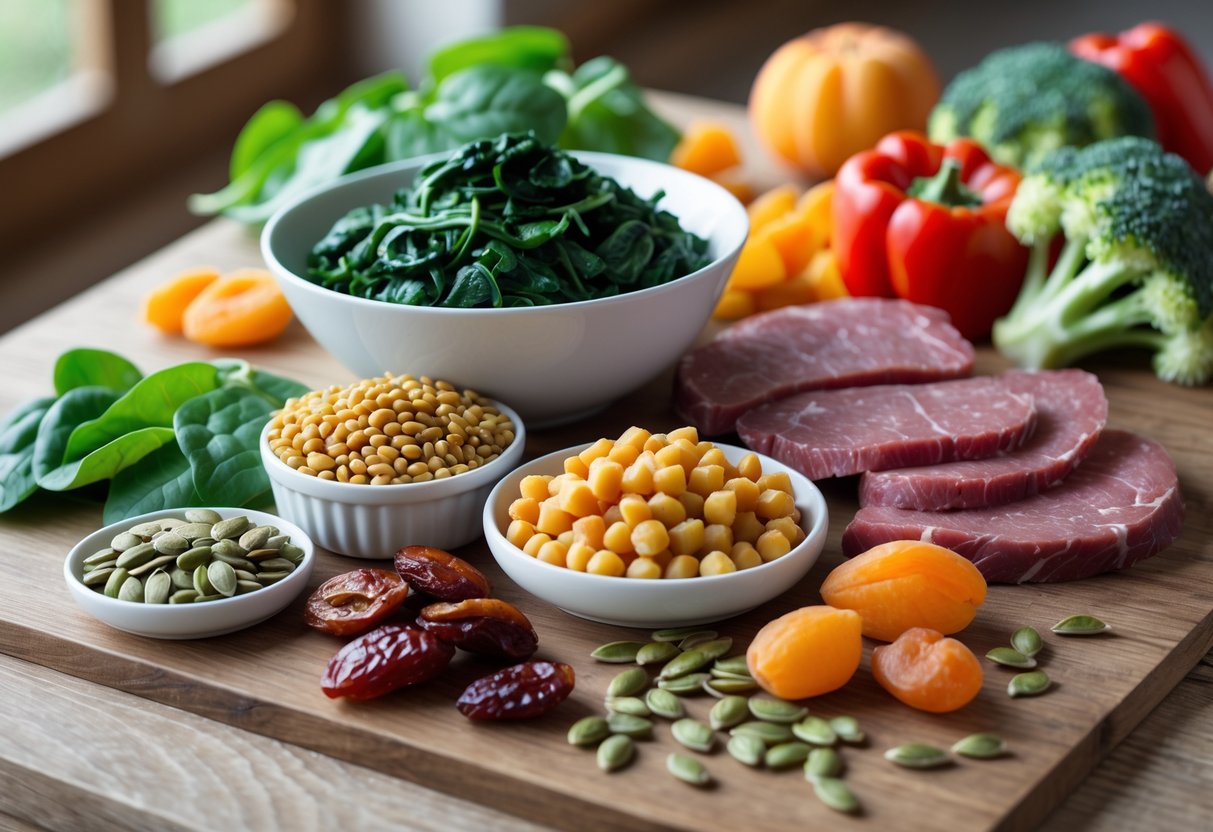
A simple shift toward whole grains, leafy greens, and quality protein sources, paired with a B-complex supplement if needed, can shift your energy, mood, and hormonal health within 4-6 weeks. Women often don’t realize how profoundly energy and resilience improve when B vitamins are finally adequate. Start here, and watch everything else get easier.