Flaxseeds Benefits for Women: Hormone Balance, Heart Health & Beyond
When you buy through links on our site, we may earn an affiliate commission at no additional cost to you (learn more)
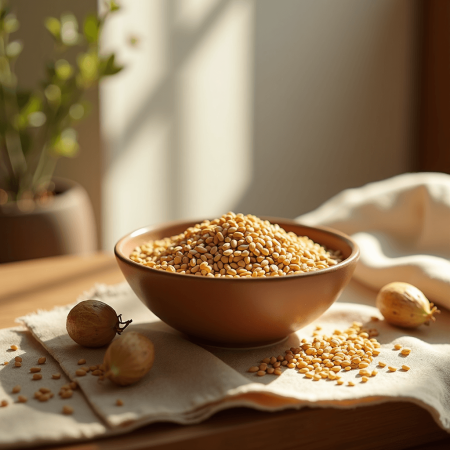
Flaxseeds have earned their place in the wellness world, but for women specifically, they’re far more than just a trendy superfood. These tiny golden or brown seeds pack a nutritional punch designed by nature to address some of the unique health challenges women face throughout their lives. Whether you’re navigating hormonal fluctuations, seeking cardiovascular support, or looking for a natural way to improve your skin and digestion, flaxseeds offer science-backed benefits that deserve a closer look.
The Science Behind Flaxseeds & Women’s Health
Flaxseeds contain three powerhouse compounds that make them particularly beneficial for women: lignans, alpha-linolenic acid (ALA), and phytoestrogens. Understanding how each works helps explain why these seeds are such a valuable addition to a woman’s diet.
Lignans are polyphenolic compounds found in high concentrations in flaxseeds—up to 800 times more than in other foods. When your gut bacteria break down lignans, they convert them into enterolactone and enterodiol, compounds that have weak estrogenic properties. This is critical: lignans don’t flood your system with estrogen; instead, they help balance your body’s estrogen metabolism by supporting the estrobolome (your gut’s hormone-regulating ecosystem).
Alpha-linolenic acid (ALA) is an omega-3 fatty acid that your body converts into EPA and DHA—the same long-chain omega-3s found in fish. This matters because many women don’t consume enough omega-3s, and these fatty acids are essential for heart health, brain function, and reducing inflammation throughout the body. The conversion isn’t 100% efficient (roughly 5-10%), but every bit helps, especially for plant-based eaters.
Phytoestrogens are plant compounds that interact with estrogen receptors in your body. Rather than replacing your natural estrogen, they act as modulators—they can help reduce symptoms when estrogen is too high, and support your system when it’s too low. This explains why women report symptom relief across different life stages.
Hormonal Balance Across Life Stages
Women’s hormonal needs shift significantly throughout their lives, and flaxseeds adapt to meet them.
For Menstruating Women: Heavy or irregular periods can deplete iron and leave you feeling fatigued. Flaxseeds support hormonal regulation through their lignan content, which helps optimize estrogen metabolism and can contribute to more balanced cycles. Additionally, they’re a plant-based source of minerals like magnesium and zinc, both critical for menstrual health and mood stability.
For Those Approaching Menopause: This is where flaxseeds truly shine. Studies show that women consuming 2 tablespoons of ground flaxseeds daily experienced a reduction in hot flashes and night sweats, with some research showing effects comparable to hormone replacement therapy in certain cases. The mechanism involves the phytoestrogens modulating your body’s temperature regulation as natural estrogen production declines.
For Postmenopausal Women: While estrogen declines significantly after menopause, flaxseeds continue to offer cardiovascular and bone-protective benefits through their omega-3 content and mineral density.
Cardiovascular Protection for Women
Heart disease remains the leading cause of death for women in the U.S., yet cardiovascular health is often overlooked in women’s health conversations. Flaxseeds address several risk factors simultaneously.
The omega-3 content in flaxseeds helps reduce triglycerides and supports healthy cholesterol profiles. Additionally, the high soluble fiber content (approximately 3g per tablespoon) binds to cholesterol in your digestive tract and helps eliminate it from your body. One study published in Nutrition Reviews found that daily flaxseed consumption improved arterial flexibility and reduced blood pressure in women with metabolic syndrome.
Lignans also play a role here: they possess antioxidant and anti-inflammatory properties that protect your arterial walls from oxidative stress—a major driver of atherosclerosis.
Digestive Health & Gut Microbiome Support
Your gut microbiome influences everything from hormone metabolism to immune function, and women’s microbiomes are distinctly different from men’s (influenced by hormonal cycles and pregnancy). Flaxseeds nourish beneficial bacteria while improving digestive regularity.
The soluble fiber in flaxseeds acts as a prebiotic, feeding the beneficial bacteria in your colon. This supports the production of short-chain fatty acids like butyrate, which strengthen your intestinal barrier and reduce inflammation. The insoluble fiber helps with healthy bowel movements, and the seeds’ mucilage content (a gel-like substance) soothes the digestive tract.
This is particularly important because digestive health directly impacts hormone metabolism. A weakened gut barrier can allow bacterial lipopolysaccharides (endotoxins) to enter your bloodstream, triggering inflammation that disrupts hormonal signaling.
Skin & Hair Health
Flaxseeds provide benefits that shine from the inside out. The omega-3 fatty acids strengthen your skin barrier, reducing water loss and improving hydration. Lignans have shown potential in reducing sebum production and supporting skin healing, making them beneficial for acne-prone skin.
Hair health improves through flaxseeds’ amino acid content (particularly their role in collagen synthesis) and mineral profile. Women often experience hair thinning related to hormonal fluctuations; the phytoestrogen and micronutrient support from flaxseeds addresses this from a nutritional foundation.
How to Use Flaxseeds: Practical Guidance
| Form | Bioavailability | Best Use | Daily Serving |
|---|---|---|---|
| Ground Flaxseeds | High | Smoothies, oatmeal, yogurt | 1-2 tablespwhole seed equivalent (approx. 2 tbsp) |
| Whole Seeds | Low (pass through undigested) | Sprouted or chewed; not recommended for most people | N/A |
| Flaxseed Oil | High in ALA | Salad dressings, smoothies (not for cooking) | 1 tbsp |
| Flax Flour | Very High | Baking, smoothies, pancakes | 2-3 tbsp |
The key rule: Ground flaxseeds offer superior bioavailability compared to whole seeds. Your digestive system can’t break down the hard seed coat, so whole seeds largely pass through undigested. Ground flaxseeds should be consumed within a few days of grinding (or refrigerated) because the exposed oils oxidize quickly.
Start gradually: If you’re new to flaxseeds, begin with 1 tablespoon daily and increase to 2 tablespoons over a week or two. The fiber content can cause temporary bloating if introduced too quickly, especially if your current diet is fiber-light.
Stay hydrated: The soluble fiber in flaxseeds draws water into your digestive tract. Drink an extra glass of water for each tablespoon of flaxseeds you consume to prevent constipation.
Best times to consume: Morning smoothies, sprinkled on oatmeal, mixed into yogurt, or baked into muffins are ideal. Evening consumption works too, but some women prefer morning timing to allow the prebiotic effects to support daytime energy and digestion.
Practical Recipes & Ideas
Morning Ritual: Blend 1 tablespoon ground flaxseeds into your smoothie with spinach, berries, and plant-based milk. The flaxseeds add creaminess while the berries’ anthocyanins combine with flax lignans for enhanced antioxidant power.
Golden Milk Smoothie: Mix ground flaxseeds into turmeric-based golden milk for anti-inflammatory synergy. The curcumin in turmeric and the lignans in flax both target inflammation pathways.
Baked Goods: Substitute 25% of flour in muffins, pancakes, or cookies with flax flour. This boosts nutritional density without drastically changing texture.
Salad Topping: Drizzle salads with flaxseed oil and combine with balsamic vinegar. Pair with leafy greens high in calcium and vitamin K for bone support.
Considerations & Who Should Be Cautious
Flaxseeds are safe for most women, but a few groups should check with their healthcare provider first.
Women on blood thinners: Flaxseeds have mild anticoagulant properties. If you’re on warfarin or similar medications, discuss with your doctor before significantly increasing intake.
Those with hormone-sensitive cancers: While phytoestrogens aren’t “estrogen,” the research is still evolving. Women with a history of estrogen-receptor-positive breast cancer should consult their oncologist.
Thyroid conditions: Flaxseeds contain compounds called goitrogens that can interfere with iodine absorption in large amounts. If you have hypothyroidism, ensure adequate iodine intake (from seaweed, iodized salt, or supplementation) and consume flaxseeds in moderate amounts (up to 2 tablespoons daily is generally safe).
Digestive disorders: Those with IBS, Crohn’s, or ulcerative colitis should introduce flaxseeds slowly and monitor their response. For some, the soluble fiber is soothing; for others, it can trigger symptoms.
The NutriGuide Pro-Tip
The most powerful way to use flaxseeds isn’t about maximum dosage—it’s about consistency. Two tablespoons of ground flaxseeds daily, incorporated into foods you already enjoy, delivers measurable results within 4-8 weeks for hormone-related symptoms and 8-12 weeks for cardiovascular markers. Pair them with other phytoestrogen-rich foods like legumes, soy products, and cruciferous vegetables for synergistic hormonal support. Store ground flaxseeds in your freezer to preserve their delicate omega-3 oils, and think of them as a long-term nutritional ally rather than a quick fix. Your body will thank you for the consistency.