Evening Primrose Oil Benefits for Women: Science-Backed Support for Hormonal Health
Table of Contents
When you buy through links on our site, we may earn an affiliate commission at no additional cost to you (learn more)
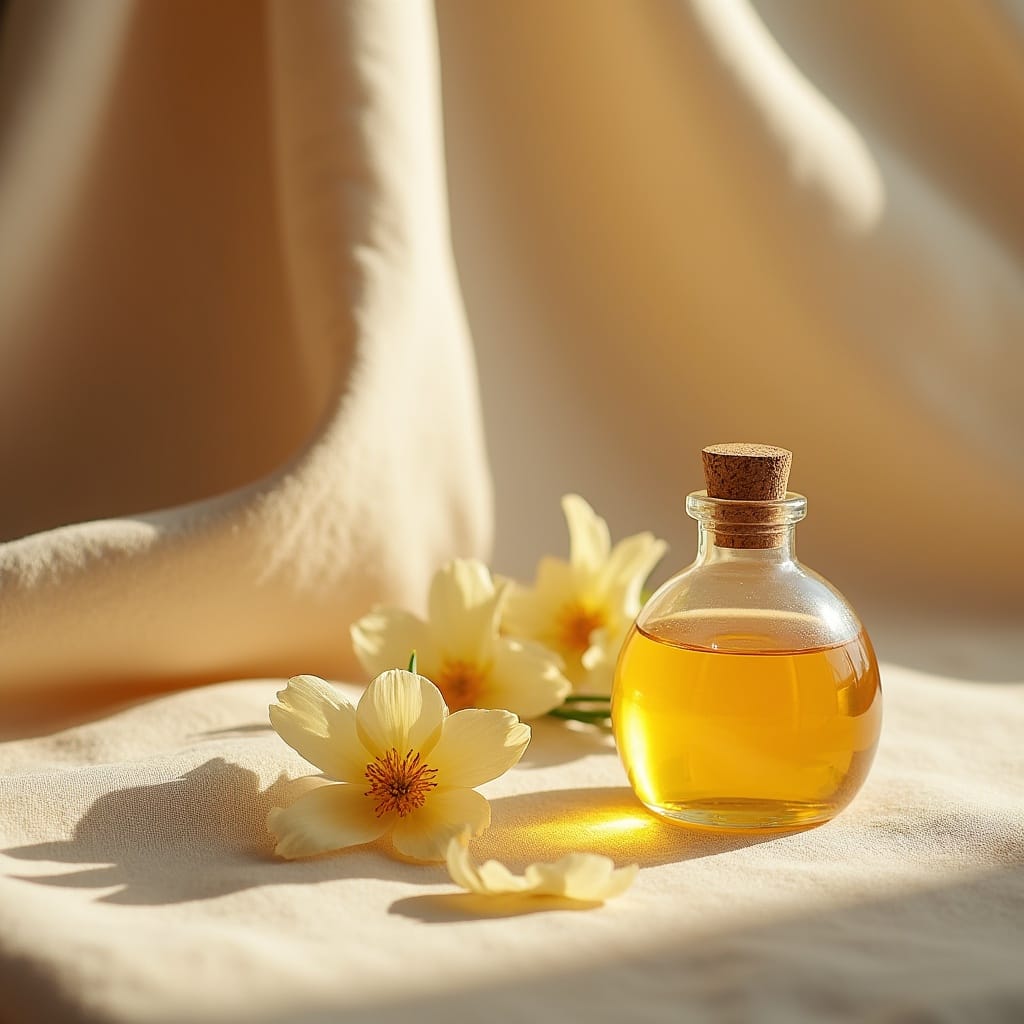
Evening primrose oil has quietly earned its place as one of nature’s most cherished allies for women’s wellness. Extracted from the seeds of the Oenothera biennis plant, this golden oil contains gamma-linolenic acid (GLA), an omega-6 fatty acid that serves as a precursor to anti-inflammatory compounds in our bodies. While we’ve long celebrated its traditional uses, modern science is now revealing the mechanisms behind why this botanical treasure resonates so deeply with women’s unique physiological needs.
The Science Behind Evening Primrose Oil’s Women-Specific Benefits
The magic of evening primrose oil lies primarily in its GLA content, typically comprising 8-10% of the oil’s composition. GLA transforms into prostaglandins—hormone-like substances that regulate inflammation, blood flow, and cellular communication throughout our bodies. This biochemical pathway explains why evening primrose oil particularly supports areas where women often seek natural relief.
Our bodies can produce GLA from linoleic acid, but this conversion becomes less efficient due to factors like stress, aging, and dietary imbalances. Evening primrose oil provides a direct source, bypassing this potential bottleneck and ensuring adequate prostaglandin production for optimal cellular function.
Hormonal Balance and Menstrual Support
Research suggests that evening primrose oil may help ease premenstrual discomfort through its influence on prostaglandin pathways. The GLA content supports the production of anti-inflammatory prostaglandins while potentially reducing the synthesis of inflammatory ones, creating a more balanced internal environment during cyclical hormone fluctuations.
A systematic review published in the American Journal of Obstetrics and Gynecology found that gamma-linolenic acid supplementation showed promise in addressing breast tenderness and mood-related PMS symptoms. The mechanism involves GLA’s conversion to dihomo-gamma-linolenic acid (DGLA), which competes with arachidonic acid for enzyme binding, potentially reducing inflammatory cascade activation.
Skin Health and Beauty From Within
Evening primrose oil’s dermatological benefits stem from its role in maintaining healthy cell membrane structure. The GLA content helps preserve skin barrier function by supporting the production of ceramides—lipids that lock in moisture and protect against environmental stressors.
Clinical studies indicate that oral evening primrose oil supplementation may improve skin texture, reduce water loss, and support the skin’s natural healing processes. The anti-inflammatory properties of GLA-derived metabolites also contribute to calmer, more resilient skin that better manages daily environmental challenges.
Top Evening Primrose Oil Selections for Women’s Wellness
Capsule Form: Convenient Daily Support
Soft gel capsules remain the most popular delivery method, offering standardized GLA content and protection from light and oxygen. Look for products providing 500-1000mg of evening primrose oil per capsule, with at least 8% GLA content clearly labeled on the packaging.
Quality markers include cold-pressed extraction methods, third-party purity testing, and minimal additional ingredients. Organic certifications ensure the source plants weren’t exposed to synthetic pesticides that could interfere with the oil’s delicate fatty acid profile.
Liquid Oil: Versatile and Potent
Pure evening primrose oil in liquid form offers maximum flexibility for those who prefer to avoid capsules or want to incorporate the oil into topical applications. The liquid format allows for easy dose adjustment and can be mixed into smoothies or taken directly.
Store liquid evening primrose oil in dark glass bottles in cool conditions to prevent oxidation. Fresh oil should have a light, nutty aroma—any rancid or overly fishy smell indicates deterioration and reduced therapeutic potential.
Topical Applications: Direct Skin Support
Evening primrose oil can be applied directly to skin or mixed with carrier oils for enhanced absorption. Its lightweight texture makes it suitable for facial use, while its anti-inflammatory properties support skin that needs gentle, nourishing care.
Application Method
Typical Dosage
Best For
Oral Capsules
1000-3000mg daily
Hormonal support, overall wellness
Liquid Oil
1-2 teaspoons daily
Flexible dosing, mixing with foods
Topical
2-3 drops, diluted
Direct skin support, localized care
Integrating Evening Primrose Oil Into Your Wellness Routine
Timing and Synergistic Nutrients
Evening primrose oil absorbs best when taken with meals containing healthy fats, which enhance the absorption of fat-soluble components. Many women find taking it with dinner works well, as the anti-inflammatory effects can support more comfortable rest during hormonal fluctuations.
Pairing evening primrose oil with vitamin E helps protect the delicate fatty acids from oxidation within the body. Magnesium and B-complex vitamins work synergistically to support the enzymatic pathways that convert GLA into beneficial prostaglandins.
What to Expect and Timeline
Unlike quick-acting remedies, evening primrose oil works through cumulative effects as your body builds up GLA stores and optimizes prostaglandin balance. Most women notice initial changes within 6-8 weeks of consistent use, with more pronounced benefits developing over 3-4 months of regular supplementation.
Individual responses vary based on factors like overall diet, stress levels, and underlying inflammation patterns. Some women experience subtle improvements in skin texture or comfort levels within the first month, while hormonal support benefits typically require longer-term consistency.
Safety Considerations and Quality Markers
Evening primrose oil is generally well-tolerated, though some individuals may experience mild digestive changes when first introducing it. Starting with smaller doses and gradually increasing allows your system to adapt comfortably.
Women taking blood-thinning medications should consult healthcare providers before adding evening primrose oil, as GLA may enhance anticoagulant effects. Those with epilepsy or seizure disorders should also seek medical guidance, as some case reports suggest potential interactions.
The NutriGuide Pro-Tip
For maximum benefit, we recommend tracking your evening primrose oil experience alongside your monthly cycle. Create a simple log noting energy levels, skin condition, and overall comfort throughout different phases. This personal data helps you optimize timing and dosage while building awareness of how this botanical ally supports your unique wellness patterns.
Consider pairing your evening primrose oil routine with omega-3 rich foods like wild salmon or chia seeds to create a comprehensive fatty acid foundation. The synergy between GLA and EPA/DHA supports balanced inflammation response from multiple pathways, amplifying the benefits you’ll experience from this gentle yet powerful botanical treasure.
Remember that consistency matters more than perfection—even with occasional missed doses, regular evening primrose oil use over months builds the foundational support that makes the most meaningful difference in how you feel and function throughout your daily life.