Sea Moss for Mucus (Congestion)

When you buy through links on our site, we may earn an affiliate commission at no additional cost to you (learn more)
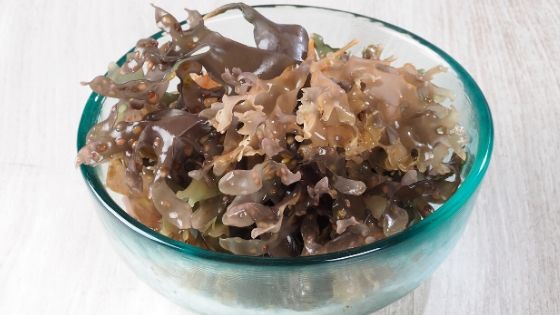
Sea moss has a long history of use as a nutrient-rich seaweed. It contains minerals, vitamins, and mucilage, a sticky plant compound that can help thin thick secretions. People use sea moss for digestion, skin health, and respiratory complaints including excess mucus. This article explains what mucus is, why it becomes a problem, how sea moss might help, safe ways to use it, and practical tips to clear congestion.
What is mucus?
Mucus is a slippery fluid produced by the lining of the airways, sinuses, mouth, and gut. Its main job is to trap dust, microbes, and particles so they do not reach sensitive tissues. Mucus is mostly water and mucins, which are proteins that make it thick and sticky.
Normal mucus keeps tissues moist and helps the immune system. When mucus becomes too thick or too abundant it can block airways or cause post-nasal drip, sore throat, and coughing. Infections, allergies, pollution, and some chronic conditions can all increase mucus production.
When mucus becomes a problem
Excess mucus can make breathing and sleeping harder. It can cause sinus pressure, frequent throat clearing, or a persistent cough. Over-the-counter decongestants and expectorants help some people but may cause side effects like headache or dizziness. People often look for gentler options from food and botanicals to support mucus thinning and clearance.
How sea moss may help mucus and congestion
Sea moss contains mucilage, a gel-like substance that can lubricate tissues and may loosen thick secretions. This mucilage is hydrophilic, meaning it attracts water. When combined with fluids, it may help rehydrate and thin mucus for easier clearance.
Sea moss also contains minerals such as potassium and iodine, small amounts of omega-3 fatty acids, and plant compounds found in other seaweeds that show mild anti-inflammatory activity in lab studies. Reducing airway inflammation can help the body move mucus more effectively.
Direct clinical research testing sea moss specifically for congestion is limited. Most evidence comes from laboratory studies of seaweed compounds and from traditional use. Studies suggest potential benefits but are not conclusive. Use sea moss as a supportive measure, not a replacement for medical care when symptoms are severe.
How to use sea moss for mucus
Sea moss is sold dried, as ready-made gel, in powders, and in capsules. The common home method for whole or dried sea moss is simple and safe when done properly.
- Rinse thoroughly to remove sand and salt.
- Soak in filtered water for 12 to 24 hours until it softens and expands.
- Blend with fresh water until smooth to form a gel. Store refrigerated for up to 2 weeks.
To support mucus thinning, mix one tablespoon of sea moss gel into a warm tea, broth, or smoothie. Warm fluids alone help thin mucus, so combining sea moss with warm liquids is practical. Start with one tablespoon daily and watch how your body responds before changing the dose.
Dosage and timing
There is no standardized dose for sea moss. Traditional use and current product labels commonly recommend about 1 tablespoon of gel per day or the equivalent in powdered form. Some people use up to 2 tablespoons daily for short periods, but higher or long-term intake increases the chance of excess iodine intake.
Take sea moss with food or warm liquids to aid comfort and mucus thinning. If using capsules or concentrated supplements, follow the product label and consult a healthcare professional if unsure.
Practical tips to help mucus clearance
- Drink plenty of fluids. Water and warm teas help keep mucus thin.
- Use steam inhalation or a humidifier to moisten airways.
- Perform gentle saline nasal rinses to clear sinuses and reduce post-nasal drip.
- Avoid smoke, strong perfumes, and chemical irritants that increase mucus production.
Safety precautions and who should avoid sea moss
Sea moss contains iodine. Iodine affects thyroid function when taken in high amounts over time. People with thyroid disorders or those on thyroid medication should consult their healthcare provider before using sea moss regularly.
Sea moss may contain heavy metals or contaminants depending on where it was harvested. Choose products from reputable suppliers that test for contaminants. If you harvest wild sea moss, be cautious about local water pollution.
Allergic reactions are possible though uncommon. Stop use and seek medical help if you develop a rash, swelling, difficulty breathing, or other signs of allergy. Pregnant or breastfeeding people should check with their provider before using concentrated seaweed supplements.
When to see a healthcare provider
Seek medical attention if symptoms are severe, sudden, or getting worse. See a provider if you have fever, shortness of breath, blood in mucus, or symptoms that last more than a week. These signs can indicate a bacterial infection or another condition that needs medical treatment.
What the science says
Laboratory studies of various seaweeds report anti-inflammatory and mucolytic activities, meaning some compounds can reduce inflammation and alter mucus properties. Clinical studies specifically on Irish sea moss and congestion are sparse. Current evidence is limited to lab work and traditional use, which suggests potential benefit but not proven clinical effectiveness.
Because evidence is limited, use sea moss as a supportive option along with hydration, steam, and standard care when needed. If symptoms persist, get medical evaluation to rule out bacterial infection or chronic lung conditions.
Summary
Sea moss may help with mucus and congestion because of its mucilage, water-attracting properties, and possible anti-inflammatory compounds. It is not a proven cure, but it can be a gentle supportive option for some people when combined with fluids and other mucus-clearing strategies.
Start with small amounts, choose tested products, and consult a healthcare provider if you have thyroid disease, pregnancy, or persistent respiratory symptoms.
PIN THIS
Sources
https://www.ncbi.nlm.nih.gov/pmc/articles/PMC5036796/
https://blackdoctor.org/sea-moss-the-ancient-mucus-fighter-that-still-works-today/