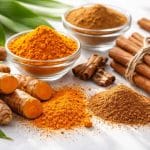
Clove and Cinnamon Tea Benefits: Ancient Spices, Modern Wellness
Table of Contents
When you buy through links on our site, we may earn an affiliate commission at no additional cost to you (learn more)
When we combine two of nature’s most aromatic and therapeutic spices into a single cup, we create more than just a warming beverage—we unlock centuries of traditional wellness wisdom backed by modern science. Clove and cinnamon tea offers a powerhouse of antioxidants, anti-inflammatory compounds, and natural healing properties that can transform your daily routine into a mindful wellness ritual.
The Science Behind These Healing Spices
Both cloves and cinnamon contain remarkable bioactive compounds that work synergistically when brewed together. Cloves are packed with eugenol, a phenolic compound that provides potent antimicrobial and anti-inflammatory effects by inhibiting inflammatory enzymes like cyclooxygenase. This is why cloves have been used traditionally for dental pain—eugenol actually blocks nerve transmission and reduces inflammation at the source.
Cinnamon brings its own arsenal of healing compounds, particularly cinnamaldehyde and procyanidin. These polyphenols help regulate blood sugar by mimicking insulin activity and improving glucose uptake in cells. The combination creates a tea that’s not just delicious, but genuinely therapeutic for multiple body systems.
Research published in the Journal of Medicinal Food shows that regular consumption of cinnamon can improve insulin sensitivity by up to 20%. Meanwhile, studies on eugenol demonstrate its ability to reduce oxidative stress markers by inhibiting free radical formation—essentially helping our cells age more gracefully.
Top Health Benefits We Can Expect
Blood Sugar Balance and Metabolic Support
The polyphenols in cinnamon help slow the breakdown of carbohydrates in our digestive tract, leading to more stable blood sugar levels after meals. This mechanism works by inhibiting alpha-glucosidase, an enzyme responsible for breaking down starches into simple sugars. For those managing insulin sensitivity, this translates to fewer energy crashes and more sustained vitality throughout the day.
Cloves complement this effect by improving overall metabolic function through their high antioxidant content. The synergistic effect means we get better blood sugar management than either spice would provide alone.
Digestive Health and Comfort
Both spices have been treasured digestive aids for millennia, and science confirms their traditional uses. Eugenol in cloves stimulates digestive enzyme production, helping us break down foods more efficiently. It also has mild anesthetic properties that can soothe stomach discomfort and reduce bloating.
Cinnamon’s warming properties help stimulate circulation to the digestive organs, improving overall digestive function. The combination creates a gentle, effective remedy for occasional digestive upset that works by addressing root causes rather than just masking symptoms.
Immune System Enhancement
The antimicrobial compounds in this tea blend create a natural defense system against harmful bacteria and fungi. Eugenol has been shown to inhibit the growth of E. coli and Staphylococcus aureus, while cinnamon’s essential oils demonstrate broad-spectrum antimicrobial activity.
This doesn’t mean the tea will cure infections, but regular consumption may help support our body’s natural defenses, particularly during seasonal transitions when our immune systems face additional challenges.
Compound
Source
Primary Benefit
Mechanism
Eugenol
Cloves
Anti-inflammatory
Inhibits COX enzymes
Cinnamaldehyde
Cinnamon
Blood sugar control
Enhances insulin sensitivity
Procyanidin
Cinnamon
Antioxidant protection
Neutralizes free radicals
Gallic acid
Cloves
Antimicrobial
Disrupts bacterial cell walls
Respiratory and Oral Health Support
The warming, aromatic vapors from clove and cinnamon tea provide natural respiratory support, particularly helpful during cold seasons. Eugenol’s antimicrobial properties extend to oral health—this is why clove oil has been used in dentistry for generations.
The tea’s natural antibacterial action can help maintain oral hygiene between brushings, while the aromatic compounds may help clear congestion and support comfortable breathing.
Preparing Your Perfect Cup
The key to maximizing benefits lies in proper preparation. We recommend using whole spices when possible, as they retain more essential oils and active compounds than pre-ground versions.
Optional: 1 teaspoon raw honey, slice of fresh ginger
Bring water to a gentle boil, add spices, then reduce heat and simmer for 10-15 minutes. The longer steeping time allows for better extraction of the beneficial compounds. Strain and enjoy warm. The tea can be prepared in larger batches and stored in the refrigerator for up to three days.
Timing and Dosage Considerations
For blood sugar benefits, we find this tea most effective when consumed 20-30 minutes before meals. The metabolic-supporting compounds need time to begin working before food hits our digestive system. For general wellness, 1-2 cups daily provides meaningful benefits without overdoing the potent compounds.
Those taking blood-thinning medications should consult their healthcare provider, as both cloves and cinnamon have mild anticoagulant properties. Pregnant women should limit cinnamon intake, particularly the cassia variety, due to its coumarin content.
Enhancing the Experience
Consider adding complementary ingredients that boost both flavor and therapeutic value. A thin slice of fresh ginger adds digestive support and warming properties. Star anise contributes additional antimicrobial compounds while creating a more complex flavor profile.
For those who prefer sweeter beverages, raw honey not only complements the spices’ warmth but adds its own antimicrobial properties. Manuka honey, in particular, provides additional therapeutic benefits that align perfectly with this healing tea blend.
Seasonal Variations
During warmer months, this tea can be prepared as a concentrate and served over ice with fresh mint leaves. The cooling mint balances the warming spices while maintaining all therapeutic benefits. In winter, adding a small piece of fresh turmeric root creates an even more powerful anti-inflammatory blend.
The NutriGuide Pro-Tip
To maximize the bioavailability of cinnamon’s beneficial compounds, add a small pinch of black pepper to your tea. Piperine in black pepper enhances the absorption of many plant compounds, potentially increasing the effectiveness of both cinnamon and clove by up to 30%. The amount needed is tiny—just a few specks won’t alter the taste but can significantly boost the therapeutic impact.
This ancient spice combination offers us a simple yet profound way to support our health daily. By understanding the science behind these traditional remedies, we can use them more intentionally and effectively. Whether you’re seeking digestive comfort, immune support, or simply a warming, aromatic beverage that nourishes both body and spirit, clove and cinnamon tea delivers on multiple levels.