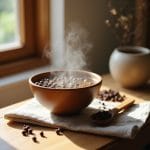
Holy Basil Tea: Your Daily Ritual for Stress Relief and Vitality
Table of Contents
When you buy through links on our site, we may earn an affiliate commission at no additional cost to you (learn more)
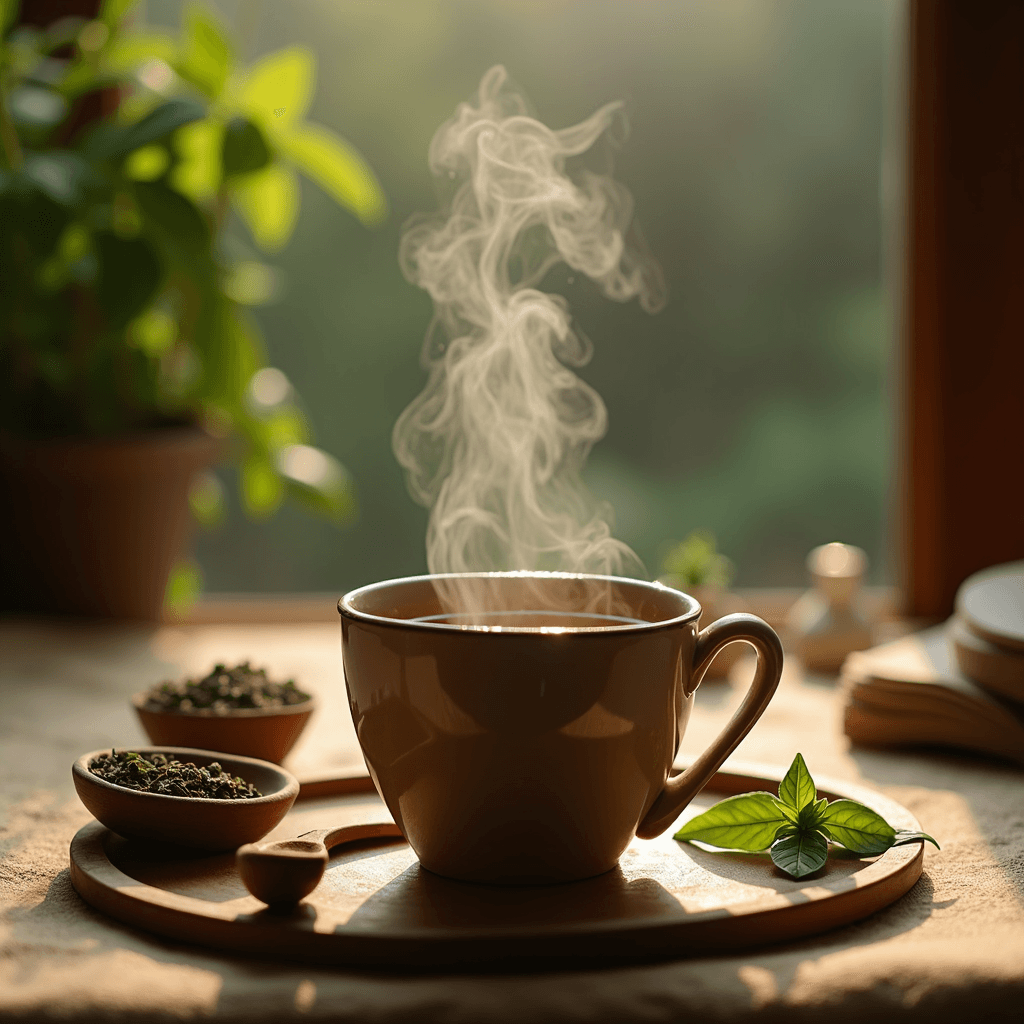
In the bustling rhythm of modern life, we often seek natural ways to restore balance and find calm. Holy basil tea, crafted from the revered Ocimum tenuiflorum plant, offers more than just a soothing cup—it’s a therapeutic ritual backed by centuries of Ayurvedic wisdom and modern scientific research. This sacred herb, known as “tulsi” in Sanskrit meaning “the incomparable one,” delivers adaptogenic compounds that help our bodies navigate stress while supporting overall wellness.
The Adaptogenic Power Behind Holy Basil
Holy basil’s remarkable benefits stem from its unique profile of bioactive compounds, particularly eugenol, rosmarinic acid, and ocimumosides. These phytochemicals work synergistically as adaptogens, meaning they help regulate our hypothalamic-pituitary-adrenal (HPA) axis—the body’s central stress response system. When we consume holy basil tea regularly, these compounds modulate cortisol production, helping maintain healthy stress hormone levels throughout the day.
The eugenol content, which gives holy basil its distinctive clove-like aroma, acts as a natural anti-inflammatory agent by inhibiting cyclooxygenase enzymes. Meanwhile, rosmarinic acid supports cognitive function by protecting neurons from oxidative stress and enhancing neurotransmitter activity.
Research published in the Journal of Ayurveda and Integrative Medicine demonstrates that regular holy basil consumption can reduce cortisol levels by up to 30% while improving stress resilience markers. This biochemical support translates into tangible benefits we can feel in our daily lives.
Top Health Benefits of Daily Holy Basil Tea
Stress Management and Mood Support
Holy basil’s adaptogenic properties shine brightest in stress management. The herb’s compounds help regulate cortisol production patterns, preventing the energy crashes and mood swings associated with chronic stress. Clinical studies show that participants consuming holy basil extract experienced significant improvements in perceived stress levels and emotional well-being within just 60 days.
The tea’s natural compounds also support healthy serotonin and dopamine pathways, contributing to more stable moods and improved emotional resilience. Many practitioners report feeling more centered and less reactive to daily stressors after incorporating holy basil tea into their routine.
Immune System Fortification
The immunomodulatory effects of holy basil make it a powerful ally for seasonal wellness. Its compounds enhance the activity of natural killer cells and T-helper cells, key components of our adaptive immune response. The herb’s antimicrobial properties, primarily from eugenol and methyl eugenol, provide additional protection against common pathogens.
Regular consumption supports the production of immunoglobulin A (IgA), our first line of defense in mucous membranes. This enhanced immune function helps maintain respiratory health and reduces susceptibility to seasonal challenges.
Respiratory and Lung Health
Holy basil’s expectorant and bronchodilator properties make it particularly beneficial for respiratory wellness. The herb’s volatile oils help thin mucus secretions while its anti-inflammatory compounds soothe irritated respiratory passages. Traditional Ayurvedic practitioners have long recommended holy basil tea for supporting clear breathing and lung function.
The herb’s ability to inhibit histamine release also makes it valuable for managing seasonal respiratory sensitivities, providing natural support without the drowsiness associated with conventional antihistamines.
Cardiovascular Support
Emerging research highlights holy basil’s cardiovascular benefits through multiple mechanisms. The herb’s compounds help maintain healthy cholesterol profiles by inhibiting HMG-CoA reductase, the same enzyme targeted by statin medications. Additionally, its potassium content supports healthy blood pressure regulation.
Holy basil’s antioxidant properties protect LDL cholesterol from oxidation, a crucial factor in maintaining arterial health. Regular consumption may contribute to improved circulation and overall cardiovascular wellness.
Optimal Preparation and Dosage Guidelines
Traditional Brewing Method
For maximum therapeutic benefit, steep 1-2 teaspoons of dried holy basil leaves in 8 ounces of hot water (not boiling) for 5-7 minutes. The ideal water temperature is around 185°F, which extracts beneficial compounds without destroying heat-sensitive phytochemicals. Cover during steeping to prevent volatile oils from escaping.
Fresh holy basil leaves can be used at double the quantity—about 2-4 teaspoons per cup. Gently bruise fresh leaves before steeping to release more aromatic compounds.
Timing and Frequency
For stress management, consume holy basil tea twice daily—once in the morning to set a calm foundation for the day, and again in the early evening to support relaxation. Avoid consumption late at night, as some individuals may find the herb mildly energizing.
Those using holy basil primarily for immune support may benefit from three smaller cups throughout the day, particularly during seasonal transitions or periods of increased stress.
Benefit Focus
Daily Serving
Best Timing
Stress Management
2 cups (8 oz each)
Morning and early evening
Immune Support
3 cups (6 oz each)
Throughout the day with meals
Respiratory Health
2-3 cups warm
Morning and before bed
Quality Considerations and Safety
Source holy basil from reputable suppliers who provide organic, pesticide-free herbs. Look for products that specify the botanical name Ocimum tenuiflorum to distinguish from sweet basil (Ocimum basilicum), which lacks the same therapeutic compounds.
While generally well-tolerated, holy basil may interact with certain medications, particularly blood thinners and diabetes medications. Its mild hypoglycemic effects mean diabetics should monitor blood sugar levels when beginning regular consumption. Pregnant and breastfeeding individuals should consult healthcare providers before use.
Some people may experience mild stomach upset when consuming holy basil tea on an empty stomach. Taking it with or after meals typically resolves this issue.
The NutriGuide Pro-Tip
Create a “stress-reset ritual” by combining holy basil tea with mindful breathing exercises. Prepare your tea mindfully, focusing on the aromatic steam and warming cup in your hands. As you sip, practice deep diaphragmatic breathing—inhale for 4 counts, hold for 4, exhale for 6. This combination amplifies holy basil’s stress-reducing benefits by engaging your parasympathetic nervous system, creating a powerful synergy between the herb’s biochemical effects and your body’s relaxation response. Many of our community members report that this simple 10-minute ritual transforms their stress management and overall sense of well-being.