Amazing Benefits of Ginger Oil for Hair and Skin
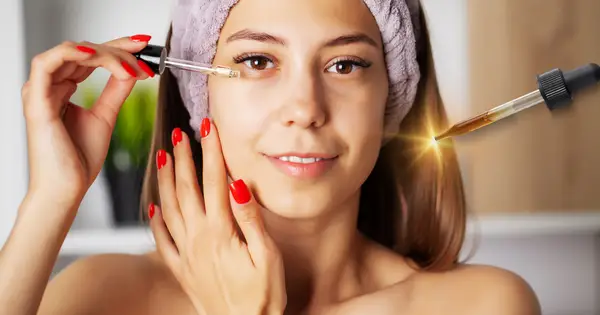
When you buy through links on our site, we may earn an affiliate commission at no additional cost to you (learn more)
Ginger is known as a culinary spice, but its essential oil—extracted from the root of Zingiber officinale—has properties that may support both hair and skin care. Studies suggest compounds in ginger, such as gingerols and shogaols, have antioxidant and anti-inflammatory effects, which can benefit scalp and skin health when used appropriately.
How ginger oil may help hair
Ginger oil contains compounds that can reduce inflammation and inhibit microbes on the scalp, factors that can contribute to hair shedding and an unhealthy scalp environment. By addressing these underlying issues, ginger oil may create conditions that support healthier hair growth.
Topical application is the usual route for hair use. When blended into a carrier oil and massaged into the scalp, ginger oil may improve local circulation, which can help nutrients reach hair follicles more effectively. Improved circulation is not a guaranteed cure for hair loss, but it can support follicle health in some cases.
Ginger oil also has antioxidant properties that help neutralize free radicals. Free radicals can damage cells, including those in hair follicles, so antioxidants play a protective role. Studies on animals and lab models support these mechanisms, though large clinical trials in humans are limited.
How ginger oil may help skin
For the skin, ginger oil is known for its antiseptic and anti-inflammatory qualities. These actions can help reduce redness and limit the growth of acne-causing bacteria. People with mild acne or inflammatory skin conditions may notice an improvement when ginger oil is used carefully and diluted.
Ginger oil also contains antioxidants that can help protect skin cells from environmental stressors. Over time, this protective effect may reduce the visible signs of aging, such as dullness and uneven tone. Again, evidence is promising but not definitive, and results vary by individual.
Practical uses and simple recipes
Use ginger oil only after diluting it in a carrier oil like jojoba, almond, or coconut oil. Pure essential oils are highly concentrated and can irritate skin if used undiluted. A safe starting dilution is 1% to 2% for facial use and up to 3% for body or scalp applications.
- Scalp massage: Mix 2–3 drops of ginger oil with 1 tablespoon of carrier oil. Gently massage into the scalp for 5 6 minutes, then leave for 30 minutes before shampooing. Do this 1 2 times per week.
- Hair mask: Add 3 drops of ginger oil to 2 tablespoons of coconut oil. Apply from roots to ends and leave on for 30 120 minutes, then rinse. Use weekly for added shine and scalp nourishment.
- Spot treatment for blemishes: Dilute 1 drop of ginger oil in 1 teaspoon of carrier oil and apply to the affected area with a cotton swab once daily. Discontinue if irritation occurs.
Safety precautions and how to use
Always perform a patch test before using ginger oil widely. Apply a small diluted amount to the inside of the forearm and wait 24 hours to check for redness, itching, or burning. If any reaction occurs, do not use the oil on sensitive areas.
Avoid applying undiluted ginger oil directly on the skin. Essential oils are potent and can cause chemical burns or allergic reactions in some people. Pregnant or breastfeeding people and those with certain medical conditions should consult a healthcare provider before use.
Keep ginger oil away from the eyes and mucous membranes. If accidental contact occurs, rinse with plenty of cool water and seek medical advice if irritation persists. Store the oil in a cool, dark place to preserve its active compounds.
What the science says and limitations
Research supports ginger’s antioxidant and anti-inflammatory actions in lab and animal studies, and some small human studies show benefits for skin and scalp conditions. For example, a review of ginger’s bioactive components highlights antioxidant and antimicrobial effects that are relevant to topical use (see source). However, high-quality clinical trials on topical ginger oil for hair growth and acne are limited.
This means ginger oil may help some people, but it is not a guaranteed treatment. Results depend on formulation, dilution, frequency of use, and individual skin or scalp sensitivity. If you have persistent hair loss or a serious skin condition, consult a dermatologist or healthcare professional for personalized care.
Quick reference benefits list
- Supports scalp cleanliness with antiseptic properties.
- May reduce inflammation that contributes to scalp irritation and some skin conditions.
- Contains antioxidants that help protect skin and hair follicle cells from damage.
- Can add a warm, invigorating aroma to baths and hair treatments for a sensory boost.
For further reading on ginger’s biological properties, see this review on PubMed: NCBI.
https://www.youtube.com/watch?v=u9MQbdfrCHs&ab_channel=Iphy%27sKitchen