Coconut Oil and Turmeric Benefits and Uses: A Complete Guide to Their Health Properties and Applications
When you buy through links on our site, we may earn an affiliate commission at no additional cost to you (learn more)
Coconut oil and turmeric have been used in traditional medicine and cooking for thousands of years, and modern research continues to examine their potential health applications.
When combined, these two ingredients offer anti-inflammatory and antioxidant properties that may support your digestive health, skin care routine, and overall wellness. You can incorporate them into your diet, apply them topically, or use them as natural remedies for various conditions.
Understanding how coconut oil and turmeric work individually and together helps you make informed decisions about adding them to your health routine.
Each ingredient contains distinct compounds: medium-chain fatty acids in coconut oil and curcumin in turmeric. These components contribute to their reported benefits.
Benefits of Coconut Oil and Turmeric
Coconut oil and turmeric work together to reduce inflammation, protect cells from damage, strengthen immunity, and improve skin health. These benefits stem from specific compounds in each ingredient that target different aspects of wellness.
Anti-Inflammatory Properties
Turmeric contains curcumin, a compound that inhibits inflammatory molecules in your body called cytokines and enzymes like COX-2.
When you consume turmeric with coconut oil, the medium-chain fatty acids in the oil help your body absorb curcumin more effectively.
This combination can help reduce inflammation in your joints, digestive system, and throughout your body.
The lauric acid in coconut oil adds its own anti-inflammatory effects by reducing inflammatory markers. Research shows that curcumin may be as effective as some anti-inflammatory medications for certain conditions.
Antioxidant Effects
Curcumin neutralizes free radicals that damage your cells and accelerate aging.
Your body also increases its own antioxidant enzyme production when you consume turmeric regularly.
Coconut oil provides additional antioxidant protection through its polyphenols and vitamin E content. These antioxidants protect your cells from oxidative stress caused by pollution, UV radiation, and normal metabolic processes.
The combination creates a dual defense system in your body. While curcumin directly neutralizes harmful molecules, coconut oil’s fats protect your cell membranes from oxidative damage.
Support for Immune System
The lauric acid in coconut oil converts to monolaurin in your body, which has antimicrobial properties against bacteria, viruses, and fungi.
This helps your immune system fight off pathogens more effectively. Turmeric supports immune function by modulating immune cell activity and reducing excessive inflammatory responses.
Your immune system works better when inflammation stays balanced rather than becoming chronic. Together, these ingredients help maintain your body’s natural defenses.
The medium-chain triglycerides in coconut oil also provide quick energy for immune cells to function optimally.
Promotion of Healthy Skin
You can apply coconut oil and turmeric topically or consume them for skin benefits.
Coconut oil moisturizes your skin by forming a protective barrier that prevents water loss while its antimicrobial properties help prevent acne-causing bacteria.
Turmeric reduces skin inflammation and may help with conditions like eczema, psoriasis, and acne. The curcumin in turmeric can also reduce hyperpigmentation and even out your skin tone over time.
When combined in a face mask or body treatment, these ingredients work synergistically. The oil helps curcumin penetrate your skin while providing its own nourishing benefits.
You may notice improvements in skin texture, brightness, and overall appearance with consistent use.
Popular Uses for Health and Wellness
Coconut oil and turmeric serve multiple practical roles in daily wellness routines, from enhancing meals to supporting skin health. These applications span dietary incorporation, external care, and time-tested traditional practices.
Culinary Uses and Dietary Applications
You can use coconut oil as a cooking fat for sauting, baking, and roasting due to its high smoke point. The oil adds a subtle flavor to dishes while providing medium-chain triglycerides (MCTs).
Turmeric works well in curries, soups, rice dishes, and smoothies. You’ll typically use 1-3 teaspoons of ground turmeric per recipe, though amounts vary based on personal preference.
Golden milk combines both ingredients: you mix 1 cup of warm milk with 1 teaspoon turmeric, 1 teaspoon coconut oil, and spices like black pepper (which enhances curcumin absorption by up to 2000%).
Many people consume this beverage before bed or as a morning drink.
You can also add coconut oil to coffee or tea for sustained energy. The combination of these ingredients in salad dressings, energy balls, and seasoning blends offers convenient ways to incorporate them into your regular diet.
Topical Applications for Skin and Hair
Coconut oil functions as a moisturizer for dry skin when applied directly after showering while skin is slightly damp. You can use it as a makeup remover, hair mask, or lip balm.
For hair care, you apply coconut oil to the ends and mid-lengths 30 minutes to overnight before washing. This practice may reduce protein loss and improve hair texture.
Turmeric paste for skin combines 1 teaspoon turmeric powder with 2-3 teaspoons coconut oil or yogurt. You apply this mixture to your face for 10-15 minutes before rinsing.
The paste may help with temporary redness or uneven skin tone. Many people create a combined coconut oil and turmeric mixture for skin applications. Always test on a small patch first, as turmeric can temporarily stain lighter skin tones yellow.
Traditional and Herbal Remedies
Ayurvedic medicine has employed both coconut oil and turmeric for thousands of years to support various aspects of health. Turmeric serves as a key herb in traditional Indian and Chinese medicine systems.
Oil pulling involves swishing 1 tablespoon of coconut oil in your mouth for 10-20 minutes, typically before brushing teeth. This practice originates from Ayurvedic traditions and aims to support oral hygiene.
You might use turmeric in traditional wound care preparations, mixed with coconut oil to form a paste. Traditional practitioners also recommend turmeric milk or turmeric tea for digestive comfort and joint support.
Some traditional applications include coconut oil for massage therapy and turmeric as a digestive aid taken with warm water. These remedies reflect cultural practices passed down through generations, though individual results vary.
Considerations and Precautions
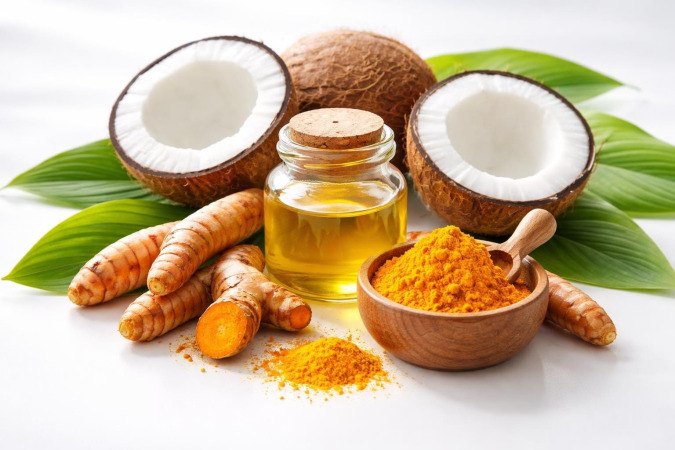
Both coconut oil and turmeric are generally safe for most people, but you should be aware of potential side effects, appropriate dosing guidelines, and possible drug interactions before adding them to your routine.
Potential Side Effects
Coconut oil may cause digestive discomfort when you first introduce it to your diet. You might experience diarrhea, stomach cramps, or nausea, especially if you consume large amounts too quickly.
Some people report allergic reactions to coconut oil, though true coconut allergies are relatively rare. Symptoms can include skin rashes, hives, or itching.
Turmeric can also affect your digestive system. You may notice stomach upset, acid reflux, or increased gas when taking turmeric supplements or consuming large quantities. High doses of turmeric may cause headaches or skin rashes in sensitive individuals.
Turmeric can also increase bile production, which may worsen conditions like gallstones or bile duct obstruction.
Recommended Dosages
For coconut oil, most studies suggest consuming 1-2 tablespoons per day for general health benefits. You should start with smaller amounts, such as 1 teaspoon daily, and gradually increase to assess your tolerance.
For turmeric supplements, typical dosages range from 500-2,000 mg of curcumin per day. When using turmeric powder in cooking, 1-3 grams daily is generally considered safe. You should not exceed 8 grams of turmeric powder per day.
Children and pregnant or breastfeeding women should consult a healthcare provider before using therapeutic doses.
Possible Interactions with Medications
Turmeric can interfere with blood-thinning medications like warfarin, aspirin, and clopidogrel. It may increase your risk of bleeding when combined with these drugs.
Turmeric may also affect diabetes medications by lowering blood sugar levels too much. If you take diabetes medication, monitor your blood sugar closely.
Coconut oil is high in saturated fat and may affect cholesterol medications. You should discuss your coconut oil intake with your doctor if you’re on statins or other lipid-lowering drugs.
Turmeric can reduce the effectiveness of some chemotherapy drugs and may interact with medications metabolized by the liver.